How to Rank your Blog in Google

Ranking your blog on Google requires a combination of several strategies to improve its visibility and relevance to search engines. Here are some steps you can take to help improve your blog’s ranking on Google: Conduct Keyword Research: Use keyword research tools such as Google Keyword Planner or Ahrefs to identify high-traffic keywords relevant to your blog topic. Optimize Your Content: Use the identified keywords in your blog’s title, URL, Meta description, headers, and throughout the content. Ensure that your blog posts are well-written and well-structured, with relevant keywords and headings. Also make sure your content should be original, informative, engaging, and offers value to your audience. Build Quality Backlinks: Backlinks from other high-quality websites are an important factor in Google’s ranking algorithm. Reach out to other blogs or websites in your niche and ask them to link to your blog. Guest blogging, forum posting, and directory submissions are also effective ways to build backlinks. Optimize your Meta tags: Meta titles and descriptions are the first thing users see in the search results. Make sure they accurately describe the content of your blog post and contain relevant keywords. Use internal linking: Link to other relevant content within your blog to help Google understand the structure of your site and provide users with additional relevant content. Improve Site Speed: A fast-loading website is essential for good user experience and SEO. Ensure your blog loads quickly by optimizing images, compressing code, and using a reliable hosting provider. Use tools like Google Page Speed Insights to identify and fix any speed-related issues. Use Social Media: Share your blog on social media platforms like Twitter, Facebook, LinkedIn, and Instagram to increase its visibility and reach. Monitor Analytics: Use Google Analytics to track your blog’s performance and identify areas for improvement, and measure the impact of your SEO efforts. By consistently implementing these strategies, you can help increase your blog’s visibility and ranking on Google, and ultimately attract more traffic and readers to your blog. Remember that SEO takes time and effort, and it may take some time before you start seeing results. Stay focused and consistent in your efforts, and you’ll be on your way to ranking your blog on Google.
Key Performance Indicators (KPIs) in Digital Marketing

Digital marketing is a rapidly evolving field that demands data-driven decision-making. Key Performance Indicators (KPIs) play a critical role in measuring the effectiveness of digital marketing campaigns. KPIs are quantifiable metrics used to track and evaluate the success of a specific business objective. They provide businesses with measurable goals and targets, allowing them to identify strengths and weaknesses in their digital marketing strategies. In this article, we will discuss the most important KPIs in digital marketing and how to use them to drive business success. 1.Website Traffic: The first and foremost KPI for any digital marketing campaign is website traffic. This KPI measures the number of visitors to a website over a specific period of time. Increasing website traffic can lead to higher engagement, increased leads, and ultimately more revenue. Google Analytics is a great tool to track website traffic and gain insights into where visitors are coming from and what content they are engaging with. 2.Conversion Rate: Conversion rate is another crucial KPI in digital marketing. This metric measures the percentage of visitors who take a desired action on a website, such as filling out a contact form, making a purchase, or subscribing to a newsletter. A high conversion rate indicates that a website is effectively engaging and convincing visitors to take the desired action. 3.Cost Per Acquisition (CPA): Cost Per Acquisition (CPA) measures the cost of acquiring a new customer through digital marketing channels. This KPI is important for determining the overall cost-effectiveness of a digital marketing campaign. By comparing the CPA to the average customer lifetime value (CLV), businesses can determine whether their digital marketing efforts are generating a positive return on investment. 4.Return on Ad Spend (ROAS): Return on Ad Spend (ROAS) is a KPI that measures the revenue generated for every dollar spent on digital advertising. This metric helps businesses determine the effectiveness of their advertising campaigns and allocate resources accordingly. A high ROAS indicates that a digital advertising campaign is generating significant revenue for the business. 5.Click-Through Rate (CTR): Click-Through Rate (CTR) measures the number of clicks on a digital advertisement or email campaign relative to the number of impressions (views). This KPI is essential for determining the effectiveness of ad copy and design, as well as the relevance of targeting. A high CTR indicates that an advertisement is resonating with the intended audience and generating engagement. 6.Bounce Rate: Bounce Rate measures the percentage of visitors who leave a website after viewing only one page. A high bounce rate indicates that a website is not effectively engaging visitors or meeting their needs. By improving the user experience and content on a website, businesses can reduce bounce rates and increase engagement. 7.Social Media Engagement: Social media engagement measures the level of interaction between a business’s social media content and its audience. This KPI includes metrics such as likes, comments, shares, and followers. By measuring social media engagement, businesses can determine the effectiveness of their social media strategy and adjust accordingly. In conclusion, KPIs play a critical role in measuring the effectiveness of digital marketing campaigns. By tracking and analyzing these metrics, businesses can gain insights into the strengths and weaknesses of their digital marketing strategies and make data-driven decisions. The KPIs discussed in this article provide a solid foundation for any digital marketing campaign, but it’s essential to tailor them to the specific business goals and objectives. By focusing on the right KPIs and regularly monitoring them, businesses can drive success and achieve their digital marketing goals.
Top SEO Mistakes that every Digital Marketer Should Avoid

Search engine optimization (SEO) is a crucial aspect of digital marketing, as it helps businesses improve their online visibility and drive traffic to their websites. However, there are several common mistakes that many companies make when it comes to SEO. In this article, we will discuss some of these mistakes and how you can avoid them. Keyword stuffing One of the most common mistakes in SEO is keyword stuffing. This refers to the practice of overusing keywords in an attempt to rank higher in search results. While it is important to include relevant keywords in your content, using them excessively can actually hurt your rankings. Google’s algorithm now penalizes websites that engage in keyword stuffing, so it’s best to use keywords sparingly and naturally within your content. Ignoring mobile optimization With the rise of mobile devices, it’s essential to optimize your website for mobile users. Ignoring mobile optimization can result in a poor user experience, which can lead to a high bounce rate and a lower ranking in search results. Ensure that your website is responsive, has a mobile-friendly design, and loads quickly on mobile devices. Not creating quality content Content is king when it comes to SEO. However, many businesses make the mistake of creating low-quality content in an attempt to improve their rankings quickly. This strategy rarely works and can actually hurt your website’s reputation. Instead, focus on creating high-quality, informative, and engaging content that provides value to your audience. This will not only help improve your search rankings but also drive more traffic to your website. Neglecting technical SEO Technical SEO refers to the backend optimization of your website, such as improving site speed, fixing broken links, and optimizing your site structure. Neglecting technical SEO can negatively impact your website’s performance and prevent it from ranking well in search results. Ensure that your website is optimized for search engines by fixing technical issues and implementing best practices. Focusing on quantity over quality While it’s important to have a large volume of content on your website, focusing solely on quantity can harm your SEO efforts. Instead, focus on creating high-quality content that is well-researched, informative, and engaging. This will not only improve your website’s reputation but also increase the chances of your content being shared and linked to by others. Not monitoring your website’s performance SEO is an ongoing process, and it’s important to monitor your website’s performance regularly. This includes tracking your search rankings, monitoring your website’s traffic, and analyzing user behavior on your website. By regularly monitoring your website’s performance, you can identify areas that need improvement and make necessary changes to improve your SEO efforts. In conclusion, SEO is an essential part of any digital marketing strategy, but it’s important to avoid common mistakes that can harm your website’s performance. By focusing on creating high-quality content, optimizing your website for search engines, and monitoring your website’s performance, you can improve your search rankings and drive more traffic to your website.
How AI is Taking Digital Marketing to the Next Level ?

INTRODUCTION In today’s fast-paced world, technology has revolutionized every aspect of our lives, including marketing. The emergence of Artificial Intelligence (AI) has brought a drastic transformation in digital marketing. AI has become a vital tool that helps marketers to reach their audience in a more personalized way. In this article, we will delve into how AI is creating a revolution in digital marketing and its impact on businesses. What is AI in Digital Marketing? AI is a technology that enables machines to learn from data and perform human-like tasks. In digital marketing, AI helps to analyze customer behavior, automate repetitive tasks, and deliver personalized marketing messages to the target audience. AI uses algorithms and statistical models to learn from data and provide insights that help marketers to make informed decisions. How AI is Changing Digital Marketing? AI is transforming digital marketing in various ways, including: Personalized Marketing AI helps marketers to create personalized marketing campaigns based on customer behavior and preferences. AI algorithms analyze customer data and provide insights that help marketers to deliver personalized marketing messages that resonate with the target audience. Automation of Repetitive Tasks AI automates repetitive tasks such as email marketing, social media management, and content creation. This enables marketers to focus on other important tasks and improve their productivity. Predictive Analytics AI uses predictive analytics to forecast customer behavior and identify trends. This helps marketers to make informed decisions and create marketing campaigns that are more effective. Chatbots AI-powered chatbots help businesses to provide round-the-clock customer support. Chatbots can answer customer queries, provide product recommendations, and even process transactions. Voice Search Optimization AI-powered voice assistants like Siri and Alexa have become popular among consumers. AI helps businesses to optimize their content for voice search and improve their visibility on search engines. Benefits of AI in Digital Marketing The benefits of AI in digital marketing are numerous, including: Improved Efficiency AI automates repetitive tasks, which improves efficiency and reduces the workload for marketers. Personalized Marketing AI helps businesses to create personalized marketing campaigns that resonate with the target audience. This improves customer engagement and boosts conversions. Cost-Effective AI is cost-effective as it reduces the need for human resources and increases productivity. Better Customer Experience AI-powered chatbots provide round-the-clock customer support, which improves the customer experience. Enhanced Data Analysis AI provides insights that help businesses to make informed decisions and create marketing campaigns that are more effective. Impact of AI on Businesses The impact of AI on businesses is significant, including: Improved ROI AI helps businesses to create more effective marketing campaigns, which improves the ROI. Competitive Advantage Businesses that adopt AI have a competitive advantage over their competitors who do not use AI. Improved Customer Engagement AI helps businesses to create personalized marketing campaigns that improve customer engagement and boost conversions. Better Decision Making AI provides insights that help businesses to make informed decisions and create marketing campaigns that are more effective. Scalability AI automates repetitive tasks, which makes it easier for businesses to scale their marketing efforts. Conclusion AI has brought a drastic transformation in digital marketing. It has become a vital tool that helps businesses to create more effective marketing campaigns, improve customer engagement, and make informed decisions. Businesses that adopt AI have a competitive advantage over their competitors who do not use AI. As AI continues to evolve, it will become even more essential for businesses to stay ahead of the game.
Role of Meta description

SEO Best Practices: How to Create Attractive Meta Descriptions Even though they do now no longer assist rankings, they do assist with different dreams inclusive of enhancing click-on-thru fees by tempting people to click on your list over others that won’t be pretty as interesting. Meta descriptions are considered a slant, as they do not immediately affect search ranking. But does this suggest which you need to forget about them as a part of your search engine optimization efforts? Absolutely now no longer! Here, you’ll discover ways to create amazing meta descriptions that assist SERP’s to apprehend your page’s content material and encourage searchers to click thru and go to your website. What Is a Meta Description? The meta description is an HTML tag that offers search engines like google and like yahoo and searchers an outline of what the web page is about. It is displayed on search engine results pages (SERPs) beneath the identity of the web page. Meta Descriptions Vs. SERP Snippets Some people mistakenly use the terms “meta description” and “search fragment” interchangeably. But meta descriptions and search snippets are unique things. The meta description is an HTML tag that you control. You can create and optimize your own meta descriptions. Search snippets are the descriptions Google suggests on your web pages. It may want to both be the meta description you’ve got created, or it may be something absolutely unique. Google controls this. Why shouldn’t Google use your meta description? Depending on the search question, Google may also generate a description on your website this is absolutely unique from the meta description you created. This is not anything new. Google computerized this manner a few years ago. According to the latest in-intensity have a look at carried out by Yoast: Google rewrites many search snippets on its very own, to assist fit the searcher’s question greater accurately. In the third of the cases reviewed, Google used sentences from the main paragraph to create the search snippet. Of course, this doesn’t mean Google will do the identical on your site, however, the indication is there that an editorial creation needs to at the least don’t forget whether or not it might make a great opportunity to the meta description. The difference between meta descriptions and search snippets is a crucial one, particularly whilst Google makes announcements – including while Google improved the duration of seeking snippets (most effective to shorten snippets approximately six months later). Why Are Meta Descriptions Important for SEO? Since many different ranking factors came into play, meta descriptions had less impact and are not used in ranking in any way. In fact, Google showed in 2009 that even as meta facts were utilized by engines as Google ranked in the early days of Google, it was devalued long before that. Meta descriptions can assist drive clicks, traffic, ability conversions, and sales by: Increase the CTR of the website, with the SERPS: there was a search over time drives the concept that well-written and well-optimized meta descriptions can increase your CTR. Higher First Class Traffic: The higher your position in the SERPs, the more likely you are to get clicks which in turn generate better first-class traffic. Zero Limit Web found 81. 3% of searches led to a web page 1 Google natural click. Potential conversions: Crafting a well-written meta description this is carefully associated with the subject of the web page, is exciting to users, and is incredibly optimized for consumer purposes can grow conversions from seeking in your web website significantly. Meta Description Writing Tips & Best Practices Research Your Competitors Step 1: Research The SERPs for Your Targeted Keyword It’s less complicated stated than done, I know. It may be time-ingesting to manually undergo each search end result and discover what, precisely, is your opposition’s kryptonite. The purpose why we have been searching on the competition is that usually, the competition implements strategies which might be currently working. Step 2: Research the SERPs for the competition and what they do Here, you check your opposition and parent out precisely what they’re doing for his or her brands. Step 3: Collect them in a spreadsheet and follow them. Using the search engine marketing Quake Google Chrome extension, you may export Google SERPs to an Excel Spreadsheet pretty quickly and successfully. This will assist you to hold a running tally of your competition and track them without difficulty and successfully on a month-to-month basis, without enormous monthly costs. Use the unique tone of your brand and the Style very brand should have a totally unique tone of voice, constant with its brand identity; that is how the brand seems online to users. Each meta description ought to be uniquely crafted and tailor-made to how that tone of voice amplifies itself throughout the brand’s ecosystem. Use Your Brand’s Unique Tone And Style Every brand ought to have a completely unique tone of voice, constant with its brand identity; that is how the brand seems online to users. Take Advantage Of Trending Social Headlines As a connoisseur of social media, your maximum possibly at the up and up for your enterprise in relation to figuring out precisely what’s trending and what isn’t passing muster on your audience. Following influencer accounts and enterprise companies need to already be part of your strategy. Taking it a step further, examine which subjects are presently trending for your area and spot what meta descriptions seem for the highest-ranking results. Each meta description needs to be uniquely crafted and tailor-made to how that tone of voice amplifies itself throughout the brand’s ecosystem.
TOP DIGITAL MARKETING TRENDS IN 2022

Digital marketing trends are the important changes that occur from time to time in any digital marketing strategy(that are also known as strategic changes) which can be because of the changing marketing techniques, technologies or consumer behavior that have a direct impact on how marketers plan for their strategy to accomplish a specified goal. As we all know about the increasing sigmificance of online marketing or digital marketing nowadays. Keeping yourself up-to-date with the latest digital marketing trends is very important for a good digital marketing strategy to lead your business in the market. If someone does not follow the trends can also get into great trouble. Some of the Digital Marketing Trends for 2022 are as follows: Short Videos Visual search Voice search Personalization Mobile Optimization Short videos- Video Marketing is promoting your content (i.e., different products and services) through videos, which is known to be a great medium to reach your audience and interact with your audience and build engagement. Video marketing is going to work same as it was in 2021 wherein when used short videos will give better results. Mobile optimization means designing your website such that the users that access your site through mobile have great experience. In other terms we can say that any website that you work in must be mobile friendly. Visual search- Visual search means now instead of typing and searching about something on Google the user can now actually search visually all he need to do is upload an image and the user can get information about an item from that picture. Voice search- Voice Search is a search program wherein the user can give a voice command to search anything online Voice-activated digital assistants are also in demand, as the popularity of voice search has increased to great extent nowadays. Personalization Personalized content is however going to be in trend as consumers are now preferring personalized experiences more which has increased the concept of Personalization
Top 5 best Google AdSense alternatives for Bloggers [2020]
One of the best way by which bloggers can have a constant revenue flow is by advertisement on their websites. Advertisers will pay you for giving them exposure to your audience by displaying their ads on your blog pages. And Google AdSense is the most popular amongst all advertising platforms it has over 714,389 websites and covers about 53.54% of the market share but it is not the only one there are many great alternatives to Google AdSense for bloggers to make money in 2022. Why blogger’s should consider google AdSense alternatives? There are a couple of disadvantages of using Google’s AdSense platform for making money through advertisement. Given here some points to be considered why Google AdSense is not the best option for some blog websites. Revenue Split Placement of ads on your website is usually done by automated software, and whenever a user engages (clicks, or makes a purchase, etc.) with the displayed ad you will receive a portion of the commission, with the remaining going to the network. Publishers receive 68% of the revenue acknowledged by Google in connection with the service for displaying advertisements with AdSense for content and for searches he receives 51%. Although this is a fair rate, some Google AdSense alternatives for bloggers offer higher rates. Minimum Payout Minimum payout is the smallest amount of money that you need to have to withdraw the earnings. For AdSense, the minimum payout is $100 which is a lot for a smaller website of a blog as it might take a lot of time to reach the minimum threshold for a payout. So a blogger should consider other alternatives to Google AdSense which have a lesser minimum payout. Requirements for Eligibility In order to become a partner in Google’s AdSense, you need to complete certain requirements. If Google refuses to approve your blog for an AdSense account, you’ll need to start with a network that has less stringent approval requirements. Top 5 Google AdSense alternatives for Bloggers to Make Money [2022] Here are top 5 Google AdSense alternatives for bloggers:- Media.net In terms of revenue, Media.net is the second-largest advertising business in the world after AdSense. It is the most popular alternative to Google AdSense for bloggers as it is a contextual advertisement platform by Yahoo and Bing. With over 32411 companies using Media.net, it has a 2.43% market share. Media.net does not require a high volume of traffic for this reason it is the best option for a new blogger. If AdSense disapproves of your blog, this is the second-best option for monetization. Features of Media.net: Minimum payout- $100 Ad type- display and text-based ads Payout- PayPal and wire transfer AdVersal AdVersal is the best for self-service advertisers which allow you complete control over ad content and placement, which is ideal for those looking for more control over advertising on their websites or blogs which makes it one of the best google AdSense alternatives for bloggers. It aims to simplify the activation process and get your advertisements up and running quickly with its user-friendly interface. With just a few clicks, you can manage your marketing campaign, and the platform facilitates native ads, display ads and also video ads so you can pick the best fit. Features of AdVersal: Minimum payout- $20 Monthly page views- 50,000 to apply Payout- PayPal, wire transfer and ACH Propeller ads is one of the fastest-growing networks that provide a platform to bring together advertisers and publishers with monthly traffic of more than a billion and thousands of advertising campaigns being launched daily on it. It also caters to applications and mobile sites, with a push notification ad type available. Features of Propeller Ads: Minimum payout- $5 for PayPal, $20 for Payoneer Monthly page views- No threshold Payout- PayPal, wire transfer, and ACH Monumetrics Monumetric earlier The Blogger Network, helps bloggers in making money by ensuring that their advertisement stock is filled with the maximum CPM offers available. It works on a cost-per-impression model unlike of cost per click model of AdSense. Monumetric assists you in filling it out in the most profitable way possible for the impressions you’re receiving. It is known for its publisher-friendly tools, which allow you to control which ads are displayed on your site and where they appear making it one of the best Google AdSense alternatives for bloggers. Features of Monumetrics: Minimum payout- $10 Monthly page views- 10,000 Payout- PayPal or direct deposit BidVertiser Bidvertizer is a great ad network for new blog websites. It you do not have a lot of traffic on your website it is still a good option to you as there is no minimum amount of traffic required to apply. Its ad formats include display banners, pop-under, sliders, smart links. Advertisers will go through a bidding process for space for advertisements if your site receives enough traffic, and you may end up earning much more from the auction than you would from AdSense. However, if advertisers are unfamiliar with your website, you may not receive any bids at all. I will prove to be one of the best Google AdSense alternatives for bloggers if your website receives a lot of traffic. Features of Bidvertizer: Minimum payout- $10 Minimum traffic required- No Payout- PayPal, Bitcoin,
Top 10 Content Writing Tips For Beginners

CONTENT TIPS EVERY BEGINNER SHOULD KNOW So you want to start content writing and become a content writer? That’s a smart decision, especially now that everyone is taking their business online due to our current pandemic. This simply means that more and more people are setting up their websites (as you read this blog post) and there’s going to be an exponential increase in the demand for content writers. Don’t believe us? Just look at the Google Trends for the word “content writer” It has already started happening. So if you’re seriously considering starting with content writing, then this blog post will strengthen your basics. First, let’s start with – What does a content writer even do? A content writer is someone who typically creases content for the Web. This content for the Web. This content can include sales copy, e-books, podcasts, and text for graphics. Content writers produce the content for many different types of websites, including blogs, social networks, e-commerce sites, news aggregators, college websites, etc. Aside from writing content, these writers might also be responsible for making sure the sites pages and content connect. They’re also responsible for setting the overall tone of the site. Content writers accomplish these tasks by researching and deciding what information to include or exclude from the site. Now that you know the meaning of a content writer, let’s start with how you can become a content writer. We’re not going to overcomplicate this. There are only about 10 steps to becoming a full-fledged content writer: Read as Much as You Can Stay in Research Mode all the Time Improve your Vocabulary and Grammar Headline/Title is very important Put your Most Important Information First Subheadings are also Important Ignore lengthy Paragraphs Make it Precise Edit and Edit Again Write Everyday These are pretty much the 10 steps that you should be taking to get better at content writing. We’ll be expanding more on each of the points, but you should have a rough idea of what it’s going to take. Read as Much as You Can This point is pretty straightforward. If you want to learn how to write, you need to first read other people’s work. You need to know how other people write, how they form sentences, what kind of language they use, etc. Pay attention to the tiny details (most people miss that). You need to make it a habit to read as much as possible. This habit will also help you generate more and more ideas for your own content. The more you read, the more you know. The more you know, the more you can write. Pro Tip: Handwrite other people’s content (blog posts, emails, website content, etc) word for word, and do this a lot. This will allow you to do a lot of things like improve your vocabulary; get an insight into the writer’s thought process, and a lot more. Stay in Research Mode all the Time Pick a niche (topic/industry) that you’re interested in and just research about it. Whenever you find an article interesting, just read it end to end, maybe even dive deeper and find more related content. The main job of a content writer is to research. The more you research, the better you’ll be able to understand your audience, and through this, you’ll be able to write better content for them. This will also enhance your knowledge base and being a content writer; you’ll be able to write better content. Improve your Vocabulary and Grammar To be honest, you don’t need to have perfect grammar. But you need to know enough where you’re not constantly making mistakes and someone needs to correct you all the time. If you want to become a content writer who gets paid good money, then you can’t have a lot of grammatical errors in your content. You also need to have a good enough vocabulary so that you’re using words where they actually make sense and not just to sound smart. Pro Tip: Get Grammarly on Chrome. It’s a free chrome extension that checks your grammar and spelling for you. It also sometimes provides you with suggestions. We use it all the time. Headline/Title is Very Important On average, five times as many people read the headline as read the body copy. When you have written your headline, you have spent eighty cents out of your dollar. -David Ogilvy You might have heard this before, or you might not have. What this basically means is that if your headline isn’t good, nobody is even going to bother reading the rest of the article. David Ogilvy is the Father of Advertising. He is also the founder of Ogilvy & Mathers, one of the largest and most renowned ad agencies in the world. So it would be a good idea to listen to his words. He definitely know what he’s talking about. Put Your Most Important Information First Frame your first 2 sentences most in the most compelling and interesting way. The fact is that most people have a lot of stuff to do in their life. They don’t necessarily have the time to read a lot of words on a webpage. It will hook the readers till the end. Subheadings are also Important Subheadings are important for the same reason as above. People don’t have enough time to be reading every article that they come across. So what they usually do is skim-read the article if the headline/title seems interesting. Subheadings can help in taking your readers through a journey even if they’re just skim-reading the article. It also grabs the reader’s attention immediately and gives a brief idea of the topic written below the heading. Ignore Lengthy Paragraphs Have you ever come across an article and it just has 1 lenghty paragraph after another. Honestly, how have you felt about reading that article? Were you more inclined to read it or less inclined? If you’re like most people, then you probably didn’t end up reading that article. This is a major thing that most people miss. Your article needs to be easy on the reader’s eyes.
What is google analytics? How to create google analytics account?
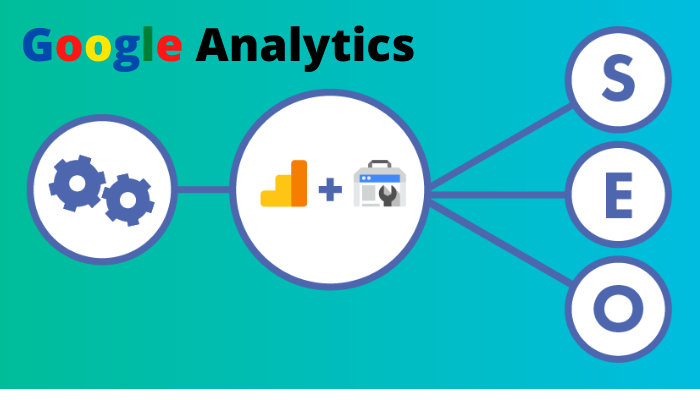
Every person never know what is google analytics and where is her used most probably today we are shared that information, google analytics originated from web analytics from called Urchin which was acquired by google in 2005, Acquisition Behavior Conversion How Google Analytics work Collects Data _ Compiles Data_Generate Reports How Google Analytics collects Data Every person know what is google analytics, Now we will talking about Create an account on google analytics. Then add a small piece of JS code on your website, after that tracking code collects anonymous information about user activity, then tracking code also collects information from browser Language Type Device operating system Traffic Source. Every time a visitor visits the web pages the JS code triggers. Google Analytics Used Most probably google analytics used for collect traffic information in your website Blogger page etc, everyone know about what is google analytics google analytics collect all data example who visit your website how traffic is coming what types device they will be use mobile laptop etc, then they will provide report and analytics How to create google analytics account Step 1 – Go your chrome browser and search google analytics after that click official website google analytics, Step 2 – Click start reaming then inter your Account name and tick box to Account Data Sharing then click next, Step 3 – Fill property details then fill reporting time zone and currency click next then select website category then click Create, Step 4 – Then click web icon after that fill your website URL and stream name then click Create stream, Step 5 – Reopen web and Copy Measurement ID then go Dashboard And click Appearance after that click <head> then inter go her next line and paste copy code then click Update file then go Home Page, your google analytics ready to report.
Top 10 Benefits of SEO for Small Businesses in 2022
What is SEO? As you know, SEO stands for search engine optimization. It is a method through which we can obtain traffic organically on the search engine result page (SERP) or we can say it is a tool through which we can help in making our website for search engine approval and also get a high ranking in the SERP. You should make changes to your site with the goal that these web crawlers can promptly recognize the sort of data it contains. They slither your site searching for words, phrases, records, pictures, structure, ease of use, and an assortment of different things. This is all documented or written on a website. At the point when a user looks for anything, the inquiry question is coordinated with the inventoried information, and the user is given the most significant outcomes. People are likely to tap on those sites which are getting a high ranking on the search engine result page and you can attract them with your high-quality content. People use SEO so that they can help more potential customers to reach your website through this it will bring sales and make your business in getting a success. Around the world, Organizations and brands understand the Benefits of SEO and they also understand the need for SEO so that they can make their presence online and the advantages they may get from this Search Engine Optimization work being executed on their behalf. SEO will undeniably improve a site’s performance and visibility. These advantages of SEO should offer some clarity, whatever the business or organization size, how organizations can utilize these advantages of SEO more so that they can take their business to another level. You’ve heard a lot about SEO, but you are not aware of how it can help your business. So here are the top 10 benefits of SEO. Top 10 benefits of SEO are: – Don’t pay for getting ranked Organically: One of the most fundamental benefits of SEO is that you don’t need to pay for rank! The web search tools are exclusively liable for natural rankings.This implies that you should simply create site pages that web crawlers think are deserving of being directed to by their potential customers. You don’t need to pay web search tools to have your high-esteem giving site page show up at the highest point of indexed lists whenever you’ve made it.This is in direct differentiation to Pay Per Click promotions, which charge a fee for each time individual snaps and perspectives your site. 2.People trust more organic results: Even though Pay Per Click ads show up above natural list items, around 67% of individuals like to tap on natural or organically outcomes. We can derive from this that individuals do trust the algorithms a lot. They know that the sponsors are paying for the top spaces, and they decide to rather visit the pages the web not set in stone to be awesome. Assuming you rank naturally or organically, it assists individuals with believing you more just as get more traffic and receive the benefits of SEO 3.Better Return on Investment: If a good SEO organization helps you, they will want to precisely follow how successful your SEO promotions are functioning. You ought to have the option to see your positioning, traffic numbers, and conversion to client proportions and settle on making better business decisions. 4.Makes Your Website Easier To Operate: SEO tools help to ensure your connections and site structure are organized in a simple to-utilize way. In addition to the fact that this helps web crawlers file and rank your site, yet it additionally helps your visitors find what they are searching for much simpler. The quicker your site reacts to visitors taps the better it is for you. The guest remains longer and might be changed over to a customer 5.Website optimization Effects the Buying Cycle: Customers research many products online. That is among the greatest advantages of the Internet according to a purchaser’s point of view. Utilizing SEO ways to deal with pass on your message about great arrangements, administrations, or items, and the importance and steadfastness of what you offer to your customers will be a distinct advantage. It is likewise going most certainly to affect the buying cycle well when done right. Organizations’ should be noticeable when individuals need them to get a commendable relationship to be made. Local benefits of SEO upgrades that visibility and allow customers to observe the answers and the organizations giving those responses. 6.SEO helps in promoting brand awareness among people: The benefits of SEO helps in getting brand recognition among prospectus clients. As they progress through the purchasing system, clients request a variety of queries. Customers will research a lot before purchasing something now that such a lot of data is readily available to them. Web optimization will help your site rank and be promoted for any ventures associated with the item or administration you’re selling assuming that you apply it viably. Therefore, if your organization keeps on giving great quality content to potential clients, your image will turn out to be all the more notable. 7.SEO helps in getting More Credibility and Trust: It appears to be that if your organization is listed first in the SERP list they accept your organization is more credible and simpler to trust than others on the rundown. Great SEO procedures help in building that trust and validity among you and your expected clients. The lower your positioning in the search engine the less likely web searchers will consider you and your organization to be solid, great, and credible. The higher your positioning, the more potential clients you will attract 8.Building Relationships with strong Websites: Acquiring links from trustworthy sites is likewise an advantage of an SEO technique. This means that one of the best ways to optimize your sites is to focus on outbound SEO strategies Finding opportunities for position or inclusion on industry sites, media sources, and other important destinations may altogether help the development