7 types of Graphic Designs
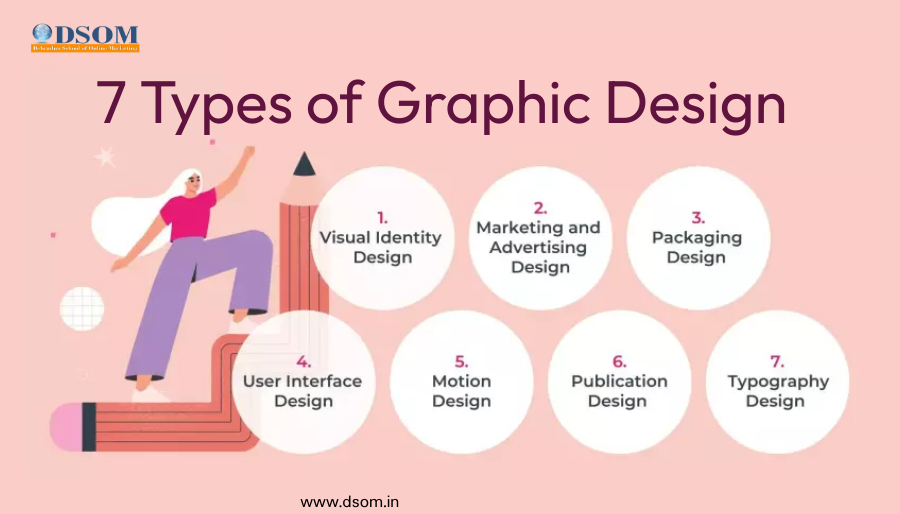
Graphic design is the process of visual communication and problem-solving through the use of typography, photography, and illustration. There are many different types of graphic design, each with their own specific purpose and audience. Here are seven of the most common types of graphic design: Branding and Identity Design – This type of graphic design is all about creating a visual representation of a brand, including logos, color schemes, and typography. The goal is to create a consistent visual language that represents the company or organization and helps to differentiate it from competitors. Advertising Design – The purpose of advertising design is to grab the attention of potential customers and persuade them to take a certain action, such as buying a product or service. This type of graphic design is often used in print ads, billboards, and commercials. Web Design – Web design is the process of creating the visual layout, interface, and user experience of a website. It involves the use of HTML, CSS, and JavaScript to create responsive and user-friendly designs that are optimized for different devices and screen sizes. Packaging Design – Packaging design is the art of creating the visual design of a product’s packaging. The goal is to make the product stand out on the shelves and to communicate important information about the product to the consumer. Motion Design – Motion design is a type of graphic design that involves creating animated or moving visual elements. This can include anything from short animated videos to full-length feature films. Book Design – Book design is the process of designing the layout and visual elements of a book, including the cover, interior pages, typography, and illustrations. The goal is to create a visually appealing and easy-to-read design that enhances the reading experience. Environmental Design – Environmental design is the process of creating visual elements for the built environment, such as signs, wayfinding systems, and public art. This type of graphic design is often used in public spaces, such as airports, malls, and parks, to create a cohesive and visually pleasing experience for visitors. Overall, these are the 7 types of Graphic Design, each of them has their own specific purpose and audience, and each one of them plays a different role in communication and problem solving. Graphic Designers specialize in one or more of these types and use their skills to create visually pleasing and effective designs.
What is Chatbot Marketing ? What are its Benefits and Drawbacks.
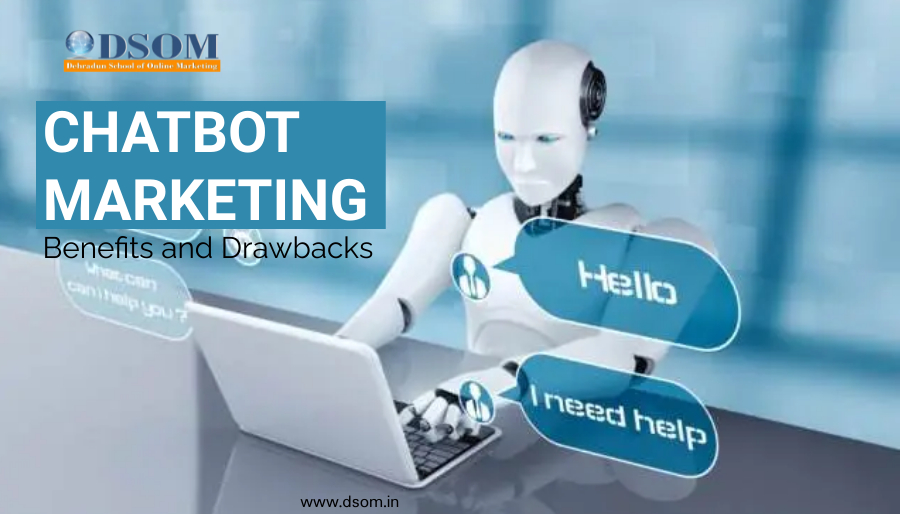
Chatbot marketing is the use of computer programs, known as chatbots, to interact with customers through messaging platforms such as Facebook Messenger, WhatsApp, and SMS. These chatbots are designed to simulate human conversation and can help businesses automate customer service, increase sales, and improve customer engagement. Chatbots can be programmed to answer frequently asked questions, provide information about products and services, and even handle sales and customer service inquiries. They can also help businesses gather data and insights about customer behavior and preferences. Chatbot marketing has become increasingly popular as businesses look for ways to improve customer engagement and streamline their customer service operations. One of the major benefits of chatbot marketing is the ability to provide 24/7 customer service. Chatbots can handle multiple customer inquiries at the same time, allowing businesses to provide quick and efficient assistance to customers. This can lead to increased customer satisfaction and loyalty. Another benefit is the ability to increase sales through personalized recommendations and upselling. Chatbots can analyze customer behavior and preferences to make personalized product or service recommendations, leading to more sales. Additionally, chatbots can also be used for lead generation and appointment scheduling. Chatbot marketing can also help businesses save time and money on customer service and sales. Since chatbots can handle multiple tasks simultaneously, it can reduce the need for human customer service representatives, which can save on labor costs. However, there are also some drawbacks to chatbot marketing. One of the biggest challenges is creating a chatbot that can understand and respond to natural human language. This requires sophisticated natural language processing (NLP) technology, which can be difficult to implement and maintain. Another drawback is that chatbots may not be able to handle complex customer inquiries or complaints. In such situations, customers may need to speak to a human representative, which can lead to frustration and dissatisfaction. In conclusion, chatbot marketing can provide many benefits for businesses, such as 24/7 customer service, increased sales, and cost savings. However, it also has its limitations, such as the difficulty of understanding natural human language and the inability to handle complex customer issues. Businesses should carefully consider these factors before implementing chatbot marketing as a part of their strategy.
Why a Digital Marketing Course is the Key to Success in the Modern Business World
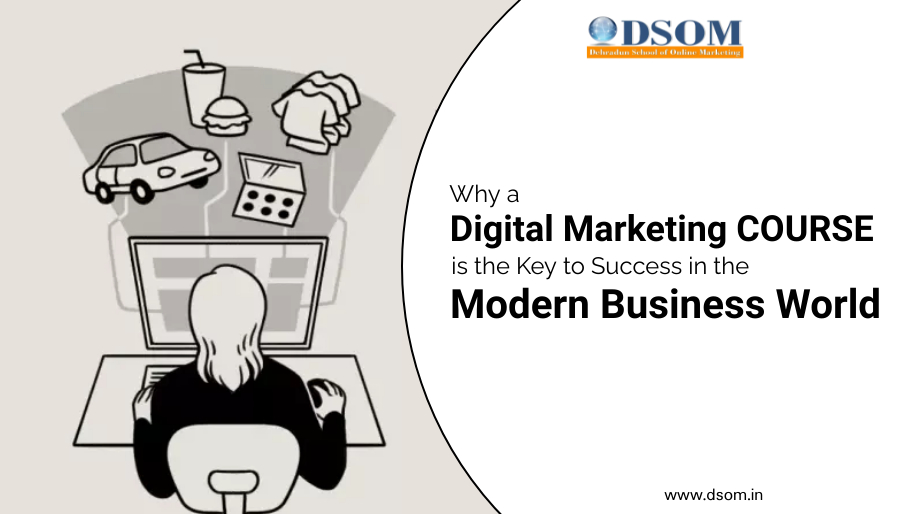
In today’s digital age, businesses of all sizes and industries are realizing the importance of having a strong online presence. With more and more consumers turning to the internet to research and make purchasing decisions, it has become essential for businesses to have a deep understanding of digital marketing strategies in order to reach and engage with their target audience. A digital marketing course can provide individuals with the skills and knowledge needed to succeed in this ever-evolving digital landscape. A digital marketing course can teach individuals a variety of skills including search engine optimization (SEO), pay-per-click (PPC) advertising, social media marketing, email marketing, and more. These skills are essential for businesses looking to increase their online visibility, drive website traffic, and ultimately convert leads into customers. One of the key advantages of digital marketing is its cost-effectiveness. Traditional marketing methods such as television and print advertising can be costly and difficult to measure in terms of return on investment. Digital marketing, on the other hand, can be more cost-effective and provides a wealth of data and analytics to track and measure the success of campaigns. A digital marketing course can also help individuals stay up-to-date with the latest trends and best practices in the industry. The digital landscape is constantly evolving, and new technologies, platforms, and strategies are constantly emerging. A course can provide individuals with the knowledge and resources needed to stay ahead of the curve and adapt to the latest changes. In addition, digital marketing offers the ability to target specific demographics and geographic regions, which can be especially beneficial for small businesses with limited resources. With the help of digital marketing, small businesses can reach their specific target audience and compete with larger businesses in the same industry. In conclusion, a digital marketing course is the key to success in the modern business world. It can provide individuals with the skills and knowledge needed to effectively promote products or services through digital channels and stay ahead of the latest trends and best practices in the industry. As more and more consumers use the internet to research and make purchasing decisions, it is essential for businesses to have a strong online presence and a deep understanding of digital marketing strategies in order to reach and engage with their target audience.
The impact of design to create sales for e-commerce stores
Design plays a crucial role in creating sales for e-commerce stores. It can be the difference between a customer making a purchase or leaving the website without buying anything. A well-designed website can increase conversions and help e-commerce businesses to grow their sales. First and foremost, design helps to establish trust and credibility with potential customers. A professional and polished website design can give customers the confidence that the business is legitimate and trustworthy. This is especially important for e-commerce stores, as customers may be hesitant to make a purchase from a website that looks unprofessional or untrustworthy. In addition, design can help to create a sense of brand identity and personality. A unique and consistent design can help to differentiate a business from its competitors and create a memorable brand that customers will recognize and associate with positive experiences. This can lead to increased brand loyalty and repeat customers. Design can also play a role in making the customer’s experience on the website as seamless and user-friendly as possible. Navigation should be intuitive and easy to understand, and the layout should be designed to guide customers through the process of finding what they need and making a purchase. A well-designed website can help customers to find what they are looking for quickly and easily, which can lead to increased conversions and sales. Design can also help to create a sense of urgency and scarcity, which can encourage customers to make a purchase. For example, using limited-time offers or highlighting low stock levels can create a sense of urgency that can motivate customers to make a purchase before it’s too late. Lastly, an effective design is essential for mobile optimization. As more and more customers are shopping on their mobile devices, it’s crucial for e-commerce stores to have a design that is optimized for mobile, so that customers can have a seamless shopping experience on their mobile devices. A mobile-optimized design can help to increase conversions and sales by making it easy for customers to shop on-the-go. In conclusion, design plays a crucial role in creating sales for e-commerce stores. A well-designed website can establish trust and credibility, create a sense of brand identity, make the customer’s experience seamless and user-friendly, create a sense of urgency, and be mobile-optimized. Businesses that invest in design will likely see an increase in conversions and sales.
Performance Marketing – Everything you need to know
Performance marketing is a type of digital marketing that focuses on driving specific actions, such as sales or leads, through targeted advertising. This approach is based on the idea that marketers should only pay for the results they get, rather than paying for the number of impressions or clicks on an ad. One of the key benefits of performance marketing is that it allows marketers to track the effectiveness of their campaigns and make adjustments as needed. By using metrics like conversion rates and cost per acquisition, marketers can see which ads are performing well and which are not, and make changes to optimize their campaigns. Another benefit of performance marketing is that it allows for highly targeted advertising. By using data such as demographics, interests, and browsing behavior, marketers can create ads that are tailored to specific groups of people. This means that the ads will be more likely to be seen by people who are actually interested in the products or services being advertised, which increases the chances of a successful campaign. There are a number of different types of performance marketing Affiliate marketing, Cost-per-action (CPA) advertising, and Pay-per-click (PPC) advertising. Each of these types of performance marketing has its own advantages and disadvantages, and the best approach will depend on the specific goals of the campaign. Affiliate marketing, for example, is a type of performance marketing where a company partners with other websites or individuals to promote their products or services. The affiliates are paid a commission for each sale or lead that is generated as a result of their efforts. CPA advertising, on the other hand, is a type of performance marketing where the advertiser only pays when a specific action is taken, such as a sale or a lead. This means that the advertiser only pays when they get a return on their investment, which can be a more cost-effective approach than other types of advertising. PPC advertising, meanwhile, is a type of performance marketing where the advertiser pays each time someone clicks on their ad. This can be a good option for companies that want to drive a lot of traffic to their website quickly, but it can be more expensive than other types of performance marketing. Overall, performance marketing is an effective way for companies to drive sales and leads, while only paying for the results they get. By tracking and optimizing campaigns, and targeting specific groups of people, performance marketing allows for highly effective advertising that can be tailored to the specific goals of a campaign.
“Non-fungible tokens (NFTs)” – Everything you need to Know

NFT stands for non-fungible token. It is a type of digital asset that represents ownership of a unique item or piece of content, such as an image, video, or piece of music. Unlike fungible tokens, such as cryptocurrencies, which are interchangeable and have a set value, each NFT is unique and can have a different value. NFTs are often used in the digital art and collectibles space and are typically stored on a blockchain, a type of digital ledger, to ensure their authenticity and provenance. What are the Examples of NFT NFTs can be used to represent a wide variety of digital assets, including but not limited to: Digital art: NFTs can be used to represent digital artworks, such as digital paintings, animations, and videos. This allows artists to sell their work as unique, one-of-a-kind items that can be bought, sold, and traded like traditional art. Collectibles: NFTs can be used to represent digital collectibles, such as trading cards, virtual real estate, and in-game items. Music: Musicians can use NFTs to sell unique, collectible versions of their music, such as limited-edition album releases. Videos: Filmmakers can use NFTs to represent unique copies of their movies or videos. Gaming: Game developers can use NFTs to represent in-game items, weapons, or other virtual assets. Social Media: NFTs can be used for social media post and content like tweet, post, comment, etc. Virtual Reality: NFTs can be used to represent virtual reality experiences, such as virtual tours of art galleries or VR games. Sports: NFTs can be used to represent unique moments or records in sports like a baseball card, trading cards, etc These are just a few examples of how NFTs can be used, but the possibilities are virtually endless. How Do NFT work NFTs work by using blockchain technology to create a digital token that represents ownership of a unique digital asset. The blockchain is a digital ledger that records every transaction and change made to the NFT. Each NFT is unique and has a unique digital signature, which is stored on the blockchain. When someone wants to purchase an NFT, they will typically do so through a marketplace or platform that specializes in NFTs. These platforms allow users to browse and purchase NFTs, as well as create and sell their own. Once the NFT is purchased, it is transferred to the buyer’s digital wallet. The NFT is stored in the wallet as a digital file, and the buyer can view, trade or sell the NFT whenever they want, and the transaction will be recorded on the blockchain, which ensures the authenticity and provenance of the NFT. It’s worth noting that NFTs are stored on a blockchain which is decentralized, meaning that it is not controlled by any single entity. This ensures that the NFTs cannot be altered or duplicated, and ownership can be easily tracked and verified. Overall, NFTs are a new way for creators to monetize their digital assets, and for collectors to own and trade unique items in the digital world. Why NFT are important NFTs (non-fungible tokens) are important because they allow for the creation of unique digital assets that can be bought, sold, and owned just like physical assets. This opens up a whole new market for creators of digital art, music, and other forms of digital content, as well as providing a new way for collectors to own and trade unique pieces of digital work. Additionally, NFTs use blockchain technology, which allows for transparency and immutability in the ownership and transfer of these digital assets. This gives the creators and owners of NFTs a level of security and provenance that was not previously possible with digital assets. NFTs in the Real and Virtual World NFTs can be used in both the real and virtual world. In the virtual world, NFTs are primarily used for digital art, music, videos, and other forms of digital content. These NFTs can represent ownership of a unique digital item, such as a digital artwork, or they can represent access to virtual items or experiences, such as virtual real estate or in-game items. In the real world, NFTs can be used to represent ownership of tangible assets, such as real estate, cars, and other physical items. NFTs can also be used for event tickets, collectible items, and other forms of physical merchandise. In both the real and virtual world, NFTs can be bought, sold and traded on marketplaces, allowing for the creation of a new market for unique digital and tangible assets. Additionally, the use of blockchain technology allows for transparency and immutability in the ownership and transfer of these assets, providing a level of security and provenance not previously possible.
Top 10 Free Video Editing Tools
Video editing is a crucial aspect of creating high-quality videos for various platforms such as YouTube, Vimeo, and TikTok. However, not everyone can afford expensive video editing software. Fortunately, there are many free video editing tools available that are just as powerful as their paid counterparts. Here are the top 10 free video editing tools: Lightworks: Lightworks is a professional-grade video editing software that is available for free. It offers a wide range of features including 4K support, multicam editing, and real-time effects. DaVinci Resolve: DaVinci Resolve is a comprehensive video editing software that is available for free. It offers advanced features such as color correction, audio editing, and visual effects. OpenShot: OpenShot is a user-friendly video editing software that is available for free. It offers a wide range of features including 3D animation, slow-motion effects, and video trimming. VSDC Free Video Editor: VSDC Free Video Editor is a powerful video editing software that is available for free. It offers a wide range of features including visual effects, color correction, and audio editing. Blender: Blender is a 3D animation and video editing software that is available for free. It offers advanced features such as motion tracking, compositing, and visual effects. HitFilm Express: HitFilm Express is a professional-grade video editing software that is available for free. It offers advanced features such as visual effects, color correction, and audio editing. Shotcut: Shotcut is a user-friendly video editing software that is available for free. It offers a wide range of features including 4K support, multicam editing, and real-time effects. Avidemux: Avidemux is a simple video editing software that is available for free. It offers basic features such as video cutting, filtering, and encoding. InVideo: InVideo is a cloud-based video editing software that is available for free. It offers a wide range of features including visual effects, color correction, and audio editing. VideoPad: VideoPad is a user-friendly video editing software that is available for free. It offers a wide range of features including visual effects, color correction, and audio editing. These are some of the best free video editing tools available. They offer a wide range of features and are suitable for both beginners and professionals. With these tools, you can create high-quality videos without spending a lot of money on expensive software.
Top 15 tips for Graphic Designing for Beginers
Graphic design is a creative field that allows you to express yourself in a visual way. If you’re just starting out in graphic design, it can be overwhelming to know where to begin. Here are 15 tips to help you get started: Learn the basics of design theory: Before you start designing, it’s important to understand the basics of design theory, such as color theory, composition, and typography. Get to know your tools: Familiarize yourself with the software and tools you’ll be using, such as Adobe Photoshop, Illustrator, and InDesign. Start with a sketch: Before you jump into a design project, start with a sketch. This will help you to map out your ideas and get a sense of the composition of your design. Keep it simple: A simple design is often the most effective. Avoid overcrowding your design with too many elements or using too many different fonts. Use contrast: Use contrasting colors and elements to create a sense of hierarchy in your design. This will help the viewer to understand the most important information first. Use alignment: Align your elements to create a sense of balance and harmony in your design. Use white space: White space is an important part of design. It allows your design to breathe and gives the viewer’s eye a place to rest. Keep it consistent: Consistency is key when it comes to design. Use consistent colors, typography, and elements throughout your design. Experiment with typography: Typography is an important part of design. Experiment with different fonts and typography to create a unique look and feel for your design. Learn from the pros: Study the work of professional designers to get inspiration and to learn about new techniques and trends. Keep learning: Graphic design is an ever-evolving field, so it’s important to keep learning and staying up-to-date on new trends and techniques. Practice, practice, practice: The more you practice, the better you’ll become. Try to work on a variety of design projects to gain experience and improve your skills. Network: Connect with other designers to learn from their experiences and to get feedback on your work. Understand the client’s needs: When working on a design project, make sure you understand the client’s needs and goals. Have fun: Remember that graphic design is a creative field, so have fun and enjoy the process. By following these tips, you’ll be well on your way to becoming a successful graphic designer. Remember to keep learning, practicing and experimenting to improve your skills and stay up-to-date with the latest trends in the field.
Target Marketing – Everything you know about Target Marketing
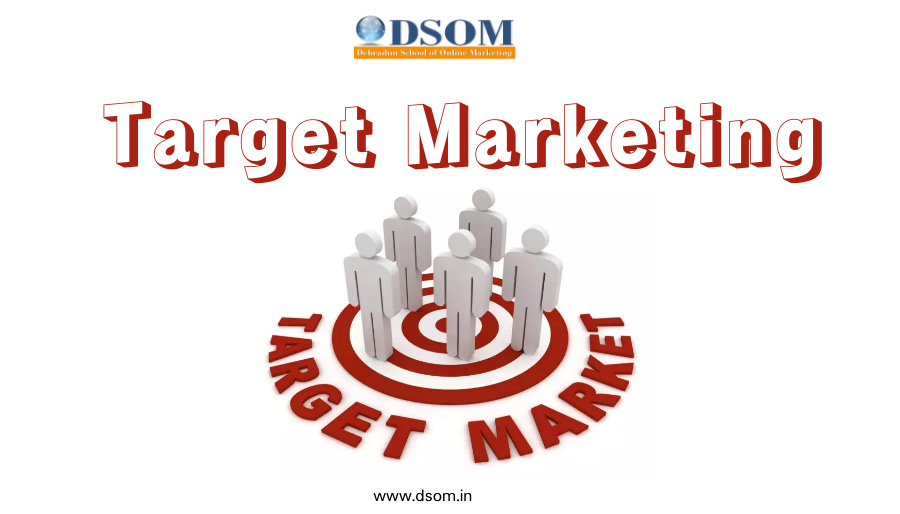
Target Marketing: The Key to Reaching Your Ideal Customer Marketing is all about connecting with your audience and making a lasting impression. In a world where the competition is fierce and customers are bombarded with a never-ending stream of messages, it’s more important than ever to focus your efforts on the right people. This is where target marketing comes in. What is Target Marketing? Target marketing is a strategy that focuses on a specific group of customers with similar needs and characteristics. By identifying and understanding this group, you can create a personalized marketing plan that speaks directly to their unique needs and preferences. The goal is to make the most of your resources and reach customers who are most likely to engage with your brand and make a purchase. What Are the 4 Target Markets? The four main target markets are: Demographic: based on characteristics such as age, gender, income, education, etc. Geographic: based on location, climate, population density, etc. Psychographic: based on personality, values, attitudes, interests, and lifestyles. Behavioral: based on consumer behavior, purchase history, brand loyalty, etc. What Is the Purpose of a Target Market? The purpose of a target market is to identify and focus on a specific group of customers with similar needs and characteristics, in order to better understand their needs and tailor marketing efforts, products, and services to meet those needs. The goal is to effectively allocate resources, increase conversions, and improve return on investment. By focusing on a target market, a company can create a more personalized and effective marketing strategy, build stronger customer relationships, and differentiate itself from competitors. Why is Target Marketing Important? Target marketing is important for several reasons: Increased Effectiveness: By focusing your efforts on a specific group, you can create more relevant and impactful marketing messages. This can result in higher conversion rates and a better return on investment. Market Segmentation: By serving a specific group of customers, you can differentiate your offerings and better compete in the market. Actionable Insights: Understanding your target market can provide valuable insights into consumer behavior, preferences, and needs. This information can inform product development and business strategy. Improved Customer Satisfaction: By meeting the unique needs of your target market, you can enhance customer satisfaction and build stronger relationships. Better Resource Allocation: By focusing on a specific group, you can use your resources more effectively and avoid the costly mistake of trying to reach everyone with a single message. How to Identify Your Target Market The first step in target marketing is to identify your ideal customer. This can be done through market research and data analysis. You can gather information about your customers’ demographics, geographic location, psychographics, and behavior. This information will help you understand their needs, preferences, and buying habits. Once you have a clear understanding of your target market, you can create a marketing plan that speaks directly to them. This can include tailored messaging, product offerings, and store experiences that appeal to their specific needs and preferences. What Is an Example of a Target Market? An example of a target market is a company that sells athletic wear and targets young, health-conscious individuals who frequently participate in sports and outdoor activities. The company may conduct market research to better understand the needs and preferences of this target market and then use that information to create marketing campaigns, product offerings, and store experiences that appeal to them. In conclusion, target marketing is a crucial strategy for businesses looking to connect with their ideal customers and achieve their marketing goals. By identifying and understanding your target market, you can create a personalized plan that speaks directly to their unique needs and drives conversions. So why not take the time to define your target market today and start seeing the results for yourself!
Common Myths About Digital Marketing
Digital marketing has become an essential part of any business’s marketing strategy in today’s digital age. With the increasing popularity and usage of the internet, it has become easier for businesses to reach a broader audience through various digital marketing channels. However, along with its many benefits, there are also several myths that surround digital marketing. In this article, we will discuss some of the most common myths in digital marketing and debunk them. Myth #1: Digital Marketing is only for big businesses One of the most common myths surrounding digital marketing is that it is only suitable for big businesses. However, this is not true. Digital marketing is equally important for small and medium-sized businesses. In fact, digital marketing can be more advantageous for small businesses as it can help them reach a broader audience and compete with larger businesses on a level playing field. Myth #2: Social Media is the only digital marketing channel Social media is undoubtedly a crucial digital marketing channel, but it is not the only one. There are various other digital marketing channels like email marketing, search engine optimization (SEO), pay-per-click (PPC) advertising, content marketing, and more. A successful digital marketing strategy should include a mix of these channels, depending on the business’s goals and target audience. Myth #3: More Traffic means More Sales Another common myth in digital marketing is that more traffic to your website automatically translates into more sales. However, this is not always true. Traffic alone does not guarantee sales. It is essential to ensure that the website’s design, content, and user experience are optimized to convert visitors into customers. Myth #4: SEO is Dead Search engine optimization (SEO) is a crucial digital marketing strategy that helps businesses improve their website’s visibility and rank higher in search engine results pages (SERPs). However, there is a common misconception that SEO is dead and no longer relevant. This is far from the truth. SEO is still a vital part of any digital marketing strategy, and its importance is only growing with the increasing competition online. Myth #5: Digital Marketing is Easy Digital marketing may seem easy, but it requires a lot of effort and expertise to execute successfully. It involves a combination of skills like marketing, analytics, design, and technology. A successful digital marketing strategy requires careful planning, execution, and continuous optimization based on data and analytics. In conclusion, digital marketing has become an integral part of any business’s marketing strategy, and it is crucial to understand the facts and myths surrounding it. By debunking these myths, businesses can create a more effective digital marketing strategy that helps them achieve their goals and reach their target audience.