Basic knowledge of Search Engine Optimization(SEO)
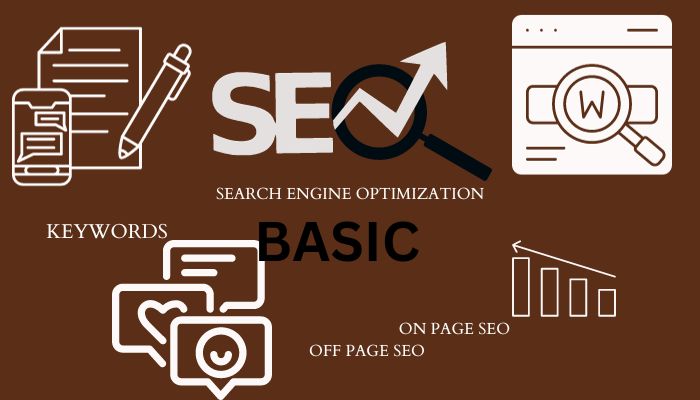
Search Engine Optimization(SEO) Basics: How to Improve Your Website’s Search Engine Ranking In the vast digital landscape, owning a website is just the beginning of your online journey. To make sure your website gets noticed and stands out among the millions of others on the internet, you need to understand the fundamental principles of SEO, or Search Engine Optimization. Search Engine Optimization(SEO) is like the compass guiding your website towards greater visibility on search engines like Google. In this comprehensive guide, we’ll break down the basics of SEO in simple terms, ensuring you can grasp these essential concepts without breaking a sweat. Introduction of SEO Search Engine Optimization(SEO) is a set of strategies and practices designed to improve a website’s visibility in search engine results. The primary goal of SEO is to increase organic (non-paid) traffic to a website by ranking higher in search engine results pages (SERPs). Search Engine Optimization is a multifaceted approach to improving your website’s visibility in search engine results. It involves keyword research, on-page and off-page optimization, content quality, mobile-friendliness, page speed, user experience, and more. By implementing effective Search Engine Optimization(SEO) practices, you can increase organic traffic and reach a wider audience on the internet. Improve Your Website’s Search Engine Ranking by Remembering these key points 1.Keywords Keywords are the foundation of SEO (Search Engine Optimization). They are the words or phrases that people type into search engines when they’re on the hunt for information. To boost your website’s visibility, you must identify which keywords are relevant to your content and your target audience. Various keyword research tools are available to assist with this. Once you have your list of keywords, you need to naturally incorporate them into your website’s content, including in your titles, headings, and body text. 2. Content: The Backbone of SEO Top-notch content is the backbone of successful SEO (Search Engine Optimization). Exceptional content not only attracts visitors but also keeps them engaged on your website. Search engines like Google appreciate websites that offer valuable content. Thus, it’s vital to focus on creating articles, blog posts, videos, or any other content that speaks to the needs and interests of your target audience. 3. On-Page SEO: Tuning Up Your Web Pages On-page SEO (Search Engine Optimization) is all about optimizing various elements on your web pages to enhance their search engine ranking. Here are some key on-page SEO elements: Title Tags: Every page should have a unique, descriptive title that includes relevant keywords. Meta Descriptions: These are short descriptions that should be catchy and encourage users to click on your search results. Headers (H1, H2, H3): Headers help organize your content and offer a chance to include keywords. URL Structure: Keep your URLs simple and descriptive, incorporating relevant keywords. Image Alt Text: For images, use descriptive alt text to help search engines understand your content. 4. Mobile-Friendliness: A Must-Have With more people browsing the web on mobile devices, having a mobile-friendly website is non-negotiable for SEO (Search Engine Optimization). A responsive web design ensures your site looks and works well on both desktop and mobile devices, making it more appealing to search engines and users alike. 5. Speed Matters: Page Load Speed The speed at which your pages load is a critical factor in Search Engine Optimization(SEO). Slow-loading pages can drive visitors away and result in lower search engine rankings. To improve your website’s page speed, you can optimize images, enable browser caching, and consider using content delivery networks (CDNs). Tools like Google Page Speed Insights can identify areas for improvement. 6.User Experience: Delighting Visitors Search engines favor websites that provide a good user experience. Elements like easy navigation, clear calls to action, and minimal pop-ups or intrusive ads contribute to a better user experience. Ensuring that your website is user-friendly will not only please your visitors but also positively impact your search engine ranking. 7. Backlinks: Building Website Authority Backlinks, also known as inbound links, are links from other websites to yours. They act as endorsements of your content and can boost your search engine ranking. To acquire quality backlinks, consider guest posting on other websites, connecting with industry influencers, or creating content that naturally attracts links. 8. Social Signals: A Little Help from Friends Social media can indirectly influence your search engine ranking. When your content gets shared on social platforms, it can increase your website’s visibility and drive more traffic. Be sure to share your content on social media and encourage others to do the same. 9. Local SEO: Attracting Local Customers If your business has a physical location or offers services in a specific area, local Search Engine Optimization(SEO) is essential. Make sure your business is listed accurately on Google My Business and other local directories. This will help you show up in local search results when potential customers are searching for nearby services. 10. Regular Updates: Stay Fresh Search engines love fresh content. Regularly updating your website with new content, like blog posts or product listings, tells search engines that your site is active and relevant. Aim for a consistent content schedule to keep your website engaging and fresh. 11. Monitor and Adapt: Search Engine Optimization(SEO) Is an Ongoing Journey Search Engine Optimization(SEO) is not a one-time task but an ongoing process. Regularly monitor your website’s performance using tools like Google Analytics. Keep an eye on your rankings, traffic, and user behavior to identify areas for improvement. As algorithms change and competition evolves, be prepared to adapt your SEO strategies accordingly. 12. Avoid Common SEO Mistakes To succeed in Search Engine Optimization(SEO), you must also avoid some common pitfalls: Keyword Stuffing: Overloading your content with keywords can hurt your website’s credibility and readability. Duplicate Content: Ensure that your content is unique and not copied from other sources. Neglecting Mobile Users: Neglecting mobile users can result in a significant loss of potential traffic. Ignoring Analytics : Regularly analyzing your website’s performance is vital for ongoing improvement. 13. Content Relevance Matters While producing high-quality content is essential, it’s equally important to