Why Website designing is important for digital marketing?
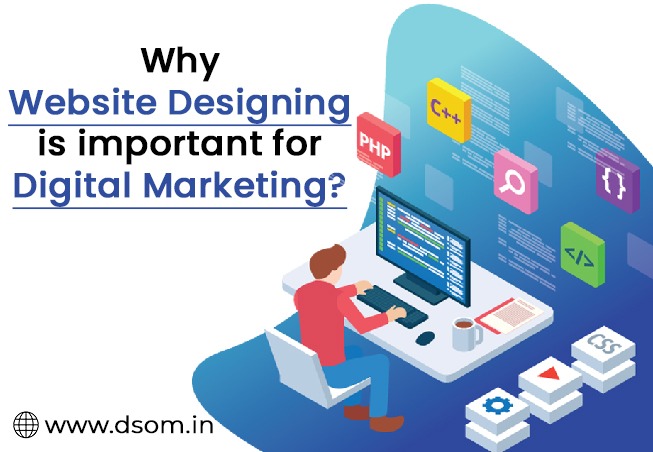
In the present-day commercial world, you cannot live without a website. It enables you to effectively sell your goods and services. So, it needs to be precisely designed. In reality, a website is the center of every digital marketing drive. Indeed a casual guest to a website can turn into a paying client with the help of effective web design and digital marketing tactics. What is Website Designing in Digital Marketing? There’s no questioning the relationship between digital marketing and website design. Conducting marketing operations via electronic or internet media is known as digital marketing. In order to engage guests and encourage them to do certain conduct, like completing a purchase or reserving a reservation, you need to bring business to your website, either naturally or through funded ads also, if your website is badly designed, you cannot hope your followership to take the demanded action. The main reason why guests leave a website is nearly always linked as being poorly designed. It causes slow loading and poor navigation, which increase bounce rates. On the other hand, by following the most recent trends in web design and development, You can boost your chances of attaining your marketing aims more rapidly. Why Website Design is Important for Digital Marketing? To achieve their plans, marketers can use a variety of internet marketing strategies, including Search Engine Optimization( SEO), Pay- Per- Click( PPC), Content Marketing, and Social Media Marketing still, none of these will work without a website that’s well set up. For the following reasons, website design is regarded as the foundation of digital marketing Making a good first impression People judge your brand primarily by the quality of your website, and if they’re unimpressed, they’re likely to visit one of your rivals’ websites. They can form a favorable first impression of your company, remain interested in it, and be motivated to buy your products right down with the help of a well- designed website. It promotes your audience’s trust. People may believe your brand is unreliable or untrustworthy if your website is of poor quality still, a well- designed website with frequent runner updates can keep guests interested and encourage them to stay on your page longer also, it lends credibility to your business and may help you attract fresh guests. It improves SEO performance. Making your website more visible on search engines is the main thing of SEO. Search engines find and rank your website more effortlessly when it has a good web design also, it makes sure that your website is responsive, user-friendly, and easy to crawl, all of which encourage further guests to stay on it longer. Things to Consider When Designing a Website for a Successful Digital Marketing Campaign Digital marketing tactics are affected by website design. As a result, digital marketing agencies no longer view web design as a separate function. For the maximum effects, keep the following effects in mind while you generate your website. A welcoming user interface Your website should be straightforward and user-friendly. When a website’s user interface is poor, guests will not use it. Optimization for Search Engines (SEO) You must balance user friendliness and search engine friendliness when creating your website. Your website is further search engine optimized if SEO is integrated into the design process. Conversion Rate Optimization (CRO) A website is useless if it does not impact guests to do the asked action. Conversions are the term used in digital marketing. Any action that results in a conversion may include registering for a newsletter, clicking on a link, filling out a form, or actually making a purchase. Website Speed Websites with good design load in three to four seconds. A slow loading time on the website indicates a bad user experience. Core Web Vitals Web development and digital marketing both depend on core web vitals. They’re specific criteria that Google uses to assess a page’s usability in a real- world setting. Responsiveness A website’s responsiveness is measured by how well it performs on screens of different sizes. It’s focused with how well the website functions on digital marketing- related devices like PCs, tablets, and smartphones. Content Readability The ease with which a visitor can understand the text on your website is known as content readability. It’s a critical element of content marketing. The content becomes further fascinating and engaging when it’s easier to read. Branding Because your website serves as your brand identification, people constantly rate your brand based on how it looks. As a result, it’s pivotal to make sure the design of your website is in line with your brand. Competition The design of your rivals’ websites, the new features they’re adding, how regularly they modernize their websites etc. are all possession to take into account while creating your own website. Monitoring and analytics This primarily applies to redesigned websites. Google Analytics tracks and analyses your website’s performance, connecting openings for development .However, you can more effectively acclimatize the layout and content of your website to the conditions of your audience, If you pay attention to these indexes.
What Student says About DSOM !
1 Welcome, Please introduce yourself to our Readers? Hey! This is Mansi and am a non-medical student, I have completed my Digital Marketing Course from DSOM and recently I Join as a Intern At Adxventure. 2.Please tell us, Why you decide to go for Digital Marketing ? Because now a days Digital marketing is rapidly growing. All businesses shift their business online, and the demand for digital marketing professionals continues to rise. 3.Why you Decide to join DSOM? Because they Focus on practical things mean they learn through their live projects. I attended their 3 days Demo Class and it was an amazing experience, they clear my many doubts related to Digital Marketing Course. 4.How was your experience with DSOM? My experience is amazing. I learned many new things from our teachers and seniors. They help me always for clearing my doubts even after completing my course. 5.Tell us the readers, how Digital Marketing helped in your career? Right Now am doing Internship from Adxventure, After the course you can also start as a freelancer. After completing your course you will Know how to use the Digital Marketing strategies and many more things to apply on their work. 6.How would you rate DSOM Training Program on a Scale os 1-10 ? I’ll give 10/10 7.What would you say to Digital Marketing Aspirants? Digital marketing is an exciting and ever-evolving field that offers immense opportunities for growth and success. If you’re passionate about technology, creativity, and connecting with people in the digital space, digital marketing could be the perfect career path for you.
Why Graphic designing important for digital marketing?
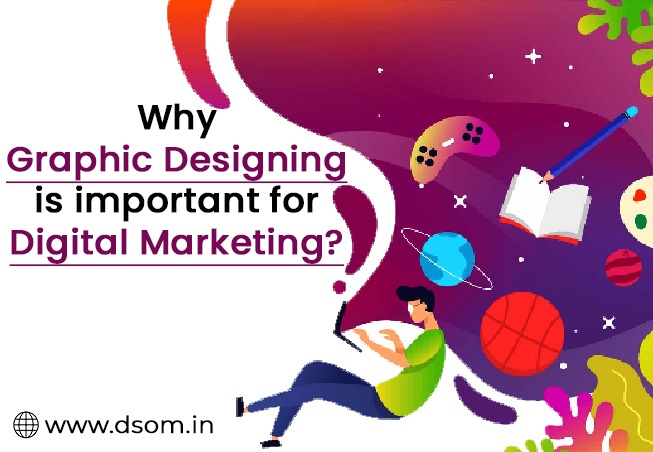
What is Graphic design? Symbols, icons, typography, colors, and any other aspects that contribute to the overall aesthetics of the image are represented in graphic design. It is based on graphic design concepts, principles, trends, and even psychology to accomplish the goal for which it was initially designed. For instance, a business spends money on the graphic design of its landing pages. Because landing pages are designed to turn leads into actual paying customers, their visual appeal should support this goal. The visuals on the landing page must include captivating graphics and a call to action that compels visitors to take action to increase sales. Graphic design is a type of visual communication, to put it simply. This type of communication is also compatible with the way individuals naturally process information. The human brain transmits 90% of all visual information for processing. This demonstrates that individuals process text 60,000 times slower than they do visuals. And because of this, companies heavily rely on images in their marketing campaigns. What graphic design means in digital marketing. Graphic design is the most potent kind of art that has revitalized digital marketing this type of contemporary art has given every organization a modern flair. Additionally, it is essential for increasing brand recognition and influencing customers’ buying choices. Before recently, many business owners and decision-makers were unaware of the significance of graphic design. As the two industries merge, there is now a great deal of interest. * Create Your Own, Individual Brand or Identity. When you decide to work with a graphic designer or a graphic design firm, you can create your distinctive tone and style and set yourself apart from other businesses. Customers and potential clients will get more familiar with your brand and be able to distinguish you from the competition as a consequence of your distinctive identification. * Visuals Can Express a Message More Effectively Than Words! A picture truly does speak a thousand words. Investment in graphic design is necessary for any business that wants to make a positive, long-lasting impression. When promoting your business, the design attracts people’s attention before the words do. Together, they make a potent statement. The Apple logo, for instance, doesn’t even have a tagline, but the picture speaks for the business more powerfully than any words ever could. Benefits of Graphic Design in Digital Marketing Graphic design plays a critical part in internet marketing. Every component of a design matters. Graphic design and digital marketing go hand in hand, regardless of whether you use the services of a branding firm or a social media marketing agency. So it’s important to pick your pictures carefully. The advantages of graphic design in digital marketing are listed below. Instills brand recall In digital marketing, consistency in branding is essential. When developing marketing materials, cohesiveness is achieved by using the appropriate typography, iconography, and colors. Ensure that your branding is communicated in your advertisements. Additionally, when you follow your corporate branding guideline, you’re imprinting a particular image in the brains of your consumers. Studies have found that when individuals are exposed to a brand’s colors, images, and other design aspects repeatedly, they are more likely to remember it. Such as the power of social media updates to improve your brand. Your work will have a chance to go viral if it is pertinent, high-quality, and valuable. Your brand icons, text, and other design aspects will be visible to your audiences once your post has reached them, which can help to enhance brand recognition. Communicates your brand story A survey found that 63 percent of consumers are lured to brands with a clear purpose. You’re not only selling your goods and services when you’re advertising them. However, you’re also highlighting the enthusiasm, significance, and motivation behind the original notion of selling them. The “About Us” page on business websites is there for a reason. That’s because they can tell the history of their brand here. Additionally, people are naturally motivated by their emotions. Consumers are more likely to favor brands whose principles and values coincide with their own than those whose principles and values do not. Easily digestible Nowadays, people prefer to consume information visually, especially given that people’s attention spans are getting shorter. Despite this, commercials that emphasize visuals have unquestionably more impact than text-based information. Consider your landing page as an example. Copy by itself won’t cut it when constructing landing pages. For users to be captivated, you need your hero photos. Additionally, text-based web ads do not compel consumers to pause what they are doing to click on them. It must have captivating visuals that can draw consumers in right away. And the reason is that text is harder to understand than visuals. Why do you think infographics are becoming more popular in modern digital marketing? Because infographics make even the most complicated thoughts and ideas relatively simpler to understand than whitepapers Customization Marketers are free to do whatever they want with their promotional visuals. And personalization is the key to everything. Although they can utilize free stock photos in their advertisements, doing so won’t help your brands grow. They lack personality, and, likely, other brands are also using those pictures. With bespoke graphic designs, though, you’re suggesting to your audience that you go above and beyond to please them. Additionally, your conversation is more personalized when you use customized images. You can promote your goods, but avoid going overboard and coming across as a pushy salesperson. Conclusion The world in which we live is primarily visual. Take a look around. Every street post, poster, billboard, and business signage likely has graphics. This demonstrates how important visual design is if you want your marketing materials to be noticed. Benefits of Graphic Design in Digital Marketing Graphic design plays a critical part in internet marketing. Every component of a design matters. Graphic design and digital marketing go hand in hand, regardless of whether you use the services of a branding firm or a social media marketing
Top 5 ways to become a better graphic designer
Top 5 ways to become a better graphic designer Are you a graphic designer? And want to know the ways to become a better graphic designer if your answer is yes, then this article is for you. As a graphic designer, it’s important to constantly improve your skills and stay up-to-date with the latest design trends. Here we are sharing the top 5 ways to become a better graphic designer: 1. Keep learning and expand your knowledge One of the most important things you can do to become a better graphic designer is to keep learning. Design trends are constantly changing, and new tools and techniques are emerging all the time. Take courses, read books, and attend workshops to learn new skills, techniques, and design trends. There are many online resources available such as Skill share, Udemy, Lynda and many other online platforms for keep up to date. Another way to keep learning is to study the work of other designers. Look at the work of designers you admire and try to understand what makes their work so effective. Analyze their use of color, typography, composition, and other design elements. Try to include what you learn into your own work. 2. Practice: Practice makes perfect. The more you practice, the more comfortable you’ll become with different design tools and techniques. Like any other skill, graphic design requires practice. Set aside dedicated time each day or week to work on personal projects, experiment with different design styles, and explore new tools and software. Create personal projects, experiment with different styles, and challenge yourself to try new things. Set aside time each day or week to work on personal projects or to experiment with new techniques. Another way to practice is to participate in design challenges or contests. These can help you improve and developed your skills, learn new techniques, and get feedback on your work. There are many design challenges and contests available online, such as 99designs, Dribbble, Behance & many other websites. 3. Get Feedback: Feedback is crucial to improving your work. Seek feedback from other designers, clients, or online communities. Listen to the critiques and use it to improve your work skills. Be open to constructive criticism and use it to identify areas where you can improve your design. Another best way to get feedback is to conduct user testing method. This involves testing your designs with actual users to see how they interact with your designs. This can help you identify usability issues, improve user experience, and refine your designs. 4. Master Design Tools and Software To become a better graphic designer, you need to master design tools and software. This means learning how to use different types of tools like Adobe Photoshop, Illustrator, In Design or other tools. Take online & offline courses or attend workshops to learn new techniques and shortcuts which help to make your work efficiently & effectively. The more you know about design tools and software, the more efficient and effective you’ll be as a designer. 5. Collaborate: Collaborating with other designers, developers, or clients can help you learn new skills, gain different perspectives, and improve your communication skills. It can also lead to more opportunities and projects. Collaborating with other designers can help you learn new techniques and get feedback on your work. Collaborating with developers can help you understand the technical aspects of your designs and ensure that your designs can be implemented effectively. Collaborating with clients can help you understand their needs and preferences, and ensure that your designs meet their expectations. In conclusion, becoming a better graphic designer requires a combination of learning, practice, feedback, master in design tools and software, and collaboration. By following these top 5 ways to become a better graphic designer, you can improve your skills, stay up-to-date with the latest design trends, and ultimately become a better and successful graphic designer.
Top 20 Latest DIgital Marketing Updates in May 2023
It is important for all the readers to stay upto date with the latest technologies,in digital marketing.So, to update all the readers we are here to give you the brief summary related to updates in May 2023.we will share the top 20 updates in digital Marketing. Table of Contents Top 20 Digital Marketing Updates in May 2023. 20.Meta Open Sources Multi-Lingual Language Models To Maximise Inclusions 19.Twitter Introduces List Search Capability On Desktop 18.Twitter Addresses Pricing Concerns with New API Access Tier 17.YouTube To Retire YouTube Stories Next Month 16. YouTube Enables Access to Community Posts for All Channels 15.LinkedIn Introduces Verifications in Job Listings 14.Introducing Merchant Center Next: The Future of Merchant Center 13.Google Business Profiles Panel Explores Image Slider Testing 12.Google Search Introduces Interactive Suggestions 11.Instagram Adds GIFs in Comments 10.Meta Introduces Enhanced Lead Generation Tools for Facebook 9.Twitter Blue Subscribers Gain Ability to Upload 2-Hour Videos within the App 8.YouTube Rolls Out 30-Second Unskippable Ads for Connected TVs 7.Twitter Engages in Legal Battle with Microsoft Over Alleged Twitter Data Misuse 6.Google Business Profiles Expanding Language Assistance Options 5.Meta Tests AI Elements for Facebook & Instagram Ads 4.Musk Announces Linda Yaccarino As The New CEO Of Twitter 3.Google introduces related topics filter for enhanced desktop search results 2.Google Introduces Blue Checkmarks for Verified Brands in Gmail 1.Google Bard Expands Features with Search, Maps, Lens, and More, Removes Waitlist In order to grow your business, or to reach the traget Audience, the most effective way is through Digital Channel.So, our Readers this blog is Specially for you- that keep you update regarding the latest Digital Marketing updates of May 2023. #1.Meta Open Sources Multi-Lingual Language Models To Maximise Inclusions The first update related to facebook meta, they announced they will be open sourcing their multi-lingual language models to promote thoroughness in natural Language processing. This model can provide you more accurate translations because they have been trained in more than 100 different languages. #2.Twitter Introduces List Search Capability On Desktop This month Twitter Come with an huge update that is now twitter users can search for Specific lists on Twitter’s Desktop interface. With this update Twitter users can Easily search their twitter lists. #3.Twitter Addresses Pricing Concerns with New API Access Tier Another update is also related to Twitter,Twitter announced the launch of a new API access tier with the goal of offering more comprehensive tweet access at a lower cost.Customers will have more options, with the launch of new API access tier, including the ability to retrieve more tweets per request and more frequently. #4.YouTube To Retire YouTube Stories Next Month Youtube would be discontinued their Stories feature by the next month.This news will disappoint many users, but definetly youtube will come up with some more Interesting features that make it simple and quick to share the content. #5.YouTube Enables Access to Community Posts for All Channels Youtube has also come up with the good news that, it made its community posts available to all channels. This feature was foremely restricted to those channels who have more than 1000 members.Using this feature now the creaters can Share the BTS photos, their future Updates ask for polls etc. directly to the community page. #6.LinkedIn Introduces Verifications in Job Listings For the genuine user of Linkedin, LinkedIN will be adding a new feature to its Job listing process to provide more accurate data to their users. because in this feature Lindkedin allow employers to confirm their identity and Legality. #7. Introducing Merchant Center Next: The Future of Merchant Center Google recently announced the update of their well liked Merchant center that is Merchant center Next. With this update, merchants will easily reach their target market by making the process of creating and managing their product listing simpler. #8 Google Business Profiles Panel Explores Image Slider Testing Google will testing their new Feature that allows the users to showcase their carousel of images directly within their Profile pannel. Thanks to this update, now the business owners can present their business in more effective way withn a variety of Photos and products. #9.Google Search Introduces Interactive Suggestions. Google is Continously working on thier user experience.Google is testing their new feature named ” Suggestions for your Search” using this feature, google take a step forward to make their Searching process more engaging and straightforward. #10.Instagram Adds GIFs in Comments Instagram has recently partnership with GIPHY to add a feature of GIFs in Comment section,to engage their users more creatively in their conversation. GIPHY will provide more than 500 Million GIF’s.Users can search their GIF accordingly to add in thier comment to make their Conversation more funny and interesting. #11. Meta Introduces Enhanced Lead Generation Tools for Facebook Meta has recently introduces a new suite of lead generation tools that allows businesses to create ads that encourage users to provide their contact information. These lead generation forms are customizeable and can tailored to specific audience. #12.Twitter Blue Subscribers Gain Ability to Upload 2-Hour Videos within the App Twitter recently udated its Premium Subscription service Twitter Blue, new feature has been added that it has expanded its video Uploading Capabilities. This feature allows the premium user to upload the video upto two hours within the app. #13.YouTube Rolls Out 30-Second Unskippable Ads for Connected TVs With the increasing popularity of accessing the app on home TV sets, the company is now looking to capitalize on this trend by expanding its non-skippable ad format to connected TV campaigns.This move is aimed at providing advertisers with a wider audience reach and more effective ad placements. #14. Twitter Engages in Legal Battle with Microsoft Over Alleged Twitter Data Misuse Twitter has initiated legal proceedings against the tech giant Microsoft, accusing the company of misusing Twitter Data. Twitter Alleges that microsoft uses the data that collects from twitter to promote its products without authorisaton. The lawsuits seeks damages and an injunction to prevent Microsoft from Continuing to use Twitter Data. #15.Google Business Profiles Expanding Language Assistance Options Google
Tips on Getting to know your customer better.

Getting to know your customer better is essential for any business that wants to succeed. Here are some tips for getting to know your customer better. Conduct Market Research: Market research is an essential tool for Getting to know your customer better. Conduct surveys, polls, focus groups, or any other method of research to gather data on your customers’ preferences, needs, and pain points. This information will help you to better understand your customer, their habits, and their preferences, and ultimately lead to better product development. Create Customer Personas: A customer persona is a fictional representation of your ideal customer based on research and data collected from your existing customer base. Creating a customer persona allows you to better understand your target audience, their behavior, preferences, and motivations. This information can then be used to tailor your products, services, and marketing campaigns to meet their specific needs. Use social media: Social media is a powerful tool to connect with your customers and understand their preferences. Engage with your customers through social media channels, respond to their comments, and use their feedback to improve your products or services. Additionally, social media listening tools can help you monitor conversations about your brand and your competitors, providing insights into your customer’s needs, preferences, and pain points. Analyze Customer Data: Analyzing customer data is another way to gain insight into your customer’s behavior and preferences. Use customer relationship management (CRM) software to track customer interactions with your brand, including purchases, customer service interactions, and feedback. This data can then be used to segment your customers and develop targeted marketing campaigns that speak directly to their specific needs and interests. Offer Personalized Experiences: Personalization is key to building customer loyalty and improving customer satisfaction. Use the customer data you have collected to personalize your communications, offers, and product recommendations. Personalization can be as simple as addressing customers by name in emails, or as complex as creating customized product recommendations based on their past purchase behavior. Monitor Customer Feedback: Monitoring customer feedback is crucial to understanding your customer’s needs and preferences. Encourage customers to leave feedback through surveys, email requests, or social media channels. Monitor and analyze this feedback to identify trends, areas for improvement, and opportunities to better serve your customers. Stay Up-to-date with Industry Trends: Staying up-to-date with industry trends is essential to understanding your customer’s needs and preferences. Attend industry conferences, read industry publications, and engage with industry thought leaders to stay informed on the latest trends and developments in your field. This knowledge will help you to anticipate changes in your customer’s behavior and preferences and adjust your business strategy accordingly. How to Optimize Images for Websites: A Beginner’s Guide: Optimizing images for websites is crucial to ensure faster page loading times, improved user experience, and better search engine rankings. Here’s a beginner’s guide on how to optimize images for websites. Choose the Right File Format: The first step in optimizing images for your website is to choose the right file format. There are three main file formats that are commonly used for images on websites: JPEG, PNG, and GIF. JPEG is best for images with a lot of detail and color, such as photographs. It has a smaller file size compared to other formats, making it ideal for web use. PNG is best for images with transparency or a small number of colors, such as logos or graphics. PNG files are larger in size than JPEG files but offer better quality. GIF is best for animated images and images with a limited number of colors, such as icons or small animations. GIF files are generally smaller in size compared to other formats. Compress Your Images: After choosing the right file format, the next step is to compress your images. Compression reduces the file size of an image without significantly affecting the quality. There are several tools and software available online that you can use to compress your images. Some popular options include Adobe Photoshop, GIMP, and Tiny PNG. When compressing your images, it’s important to strike a balance between file size and image quality. You want your images to be as small as possible without sacrificing too much quality. Resize Your Images: Another important step in optimizing images for websites is resizing them. Large images can slow down your website’s loading time and negatively impact the user experience. Resize your images to the appropriate dimensions before uploading them to your website. This will help reduce the file size of your images and improve the overall performance of your website. There are several online tools and software available to help you resize your images. Some popular options include Adobe Photoshop, GIMP, and Canva. Use Descriptive File Names: When uploading images to your website, it’s important to use descriptive file names. Descriptive file names help search engines understand what the image is about and improve the image’s search engine rankings. Instead of using generic file names like “IMG_001,” use descriptive file names like “beach-sunset.jpg” or “company-logo.png.” This will help search engines and users understand what the image is about. Add Alt Text: Alt text is a description of an image that is used by screen readers for the visually impaired. It’s also used by search engines to understand what the image is about. When adding alt text to your images, be descriptive and use relevant keywords. This will help improve the image’s search engine rankings and make it more accessible to visually impaired users. Use Lazy Loading: Lazy loading is a technique that loads images as the user scrolls down the page. This helps improve the loading time of your website and prevents large images from slowing down the page. There are several plugins and tools available that can help you implement lazy loading on your website. Some popular options include WP Rocket and Lazy Load by WP Rocket. Use a Content Delivery Network (CDN): Depending on the user’s location, your website’s content is distributed
Why Graphic design is important for business in the current scenario?
Graphic design is important for business in the current scenario because it helps to establish a visual identity for the business and differentiate it from its competitors. It is also a key component of marketing and advertising efforts, as it helps to attract and engage potential customers. Effective graphic design can help to convey the message and values of a business in a clear and impactful way. It can also help to create a cohesive and consistent brand image across various channels, including websites, social media, packaging, and print materials. In addition to its marketing and branding benefits, good graphic design can also contribute to the overall user experience of a business’s products or services. For example, well-designed graphics can make a website or product more visually appealing and easier to navigate, which can lead to increased customer satisfaction and loyalty. In today’s digital age, visual communication is more important than ever, as it helps to grab the attention of the audience and convey a message in a clear and concise way. Here are a few specific reasons why graphic design is important for businesses: Brand identity: Graphic design helps to create a consistent visual identity for a business, which is important for building brand recognition and credibility.Graphic design is an effective way to communicate your brand message and values to your target audience. By creating visually appealing and cohesive graphics that reflect your brand’s identity, you can effectively convey your brand personality and differentiate yourself from competitors. Marketing and advertising: Graphic design is essential for creating marketing and advertising materials such as brochures, social media posts, By using design elements like color, typography, and layout effectively, you can make your website or product more user-friendly and visually appealing, which can help attract and retain customers. User experience: Good graphic design can improve the user experience of a website or app, making it more visually appealing and easier to navigate. This can lead to increased engagement and conversions. Professionalism: Professional-looking graphic design reflects well on a business and helps to establish trust with customers and stakeholders. graphic design can help you create professional and high-quality marketing materials, such as social media posts, brochures, and advertisements. These materials can help you reach a wider audience and effectively promote your products or services. Finally, in today’s digital age, having a strong online presence is crucial for businesses. Graphic design can help you create engaging and visually appealing content for your website and social media channels, which can help improve your online visibility and reach.
7 way to Become a best digital marketer
Digital marketing is now crucial to the expansion and success of any business. With the increasing popularity of social media and the internet, it’s important for businesses to develop a strong digital marketing strategy that can help them reach their target audience and achieve their goals. Here are seven ways to become the best digital marketer: Develop a solid understanding of your target audience Understanding your target audience is crucial in digital marketing. It helps you create content and campaigns that resonate with them and drive conversions. To develop a solid understanding of your target audience, you can use tools like Google Analytics and social media analytics to gather data about their demographics, interests, preferences, and pain points. You can also conduct surveys, focus groups, and interviews to gather qualitative data. By analyzing this data, you can create buyer personas and develop marketing strategies that are tailored to your target audience. Keep up with technological advancements and market trends. The digital marketing industry is constantly evolving, with new trends and technologies emerging all the time. To stay up-to-date with these changes, you can attend industry conferences and events, read blogs and books, and network with other professionals. You can also join online communities and forums where digital marketers share knowledge and insights. For Becoming a Digital marketer Most skills are needed to become a digital marketer By staying up-to-date with industry trends and technology, you can ensure your strategies remain effective and relevant. Build a strong personal brand Building a strong personal brand can help you establish yourself as a thought leader in the industry. You can do this by creating a blog where you share your insights and opinions, speaking at conferences and events, and engaging with others on social media. By building a strong personal brand, you can enhance your credibility and attract new clients or job opportunities. Focus on user experience User experience is key in digital marketing. Your content and campaigns should be visually appealing, easy to navigate, and provide value to the user. To create a positive user experience, you can conduct user testing and research, use heat maps to track user behavior, and optimize your website and content for mobile devices. By focusing on user experience, you can create marketing campaigns that are more effective and engaging. Use data to drive decisions Data is essential to any digital marketing strategy. By using tools like Google Analytics, A/B testing, and social media analytics, you can gather data about your audience and marketing campaigns. This data can be used to make informed decisions about your strategy and optimize your campaigns for better results. Regularly analyzing your data and adjusting your strategy accordingly can help you achieve better ROI and improve your marketing efforts. Collaborate with other professionals Collaboration is important in digital marketing. By working with other professionals, you can bring new ideas and perspectives to your work, as well as build relationships that can benefit your career. You can collaborate with other marketers, designers, developers, and content creators to create campaigns that are more effective and engaging. Networking and collaborating with others can also help you learn new skills and stay up-to-date with industry trends. Continuously improve your skills Digital marketing is a constantly evolving field, and it’s important to continuously improve your skills. You can do this by learning new technologies and tools, staying up-to-date with industry trends, and expanding your knowledge through courses, certifications, and training. By continuously improving your skills, you can stay ahead of the curve and remain a valuable asset to your clients or employer. In conclusion, the skills needed to become a digital marketer combination of skills, knowledge, and experience. By developing a solid understanding of your target audience, staying up-to-date with industry trends and technology, building a strong personal brand, focusing on user experience, using data to drive decisions, collaborating with other professionals, and continuously improving your skills, you can become a successful digital marketer and help your clients or employer achieve their goals.
FAQ’s related to Graphic Designing course
What is graphic design? Graphic design is the process of creating visual content for various media, such as print, digital, and social media. It involves using a combination of text, images, and other design elements to communicate a message or convey information in an effective and visually appealing way. What are the skills required for graphic design? Some of the skills that are essential for graphic design include: Creativity: Graphic designers must have a creative eye and be able to come up with new and innovative design ideas. Attention to detail: Graphic designers need to have excellent attention to detail to ensure that their designs are accurate and visually appealing. Artistic ability: Graphic designers need to have an eye for aesthetics and be able to create visually pleasing designs. Communication skills: Graphic designers need to be able to clearly communicate their ideas to clients, as well as work well with a team. Time management: Graphic designers often work on multiple projects at once, so good time management skills are essential. Technical skills: Graphic designers need to be proficient in various software programs, such as Adobe Photoshop and Illustrator. What are the types of graphic design? There are several different types of graphic design, including: Digital design: Digital design involves creating designs for digital media, such as websites, social media, and mobile apps. Motion graphics: Motion graphics involve creating animations and videos to convey information or tell a story. User interface (UI) design: UI design involves designing the layout and interface of websites and mobile apps. Package design: Package design involves creating the packaging for products, including the shape, size, and materials used. Print design: This includes creating designs for print materials such as brochures, business cards, and posters. Web design: This involves creating designs for websites and other digital platforms. Illustration: This involves creating visual images to communicate information or tell a story. Branding: This involves creating visual elements for a company or brand, such as logos, color schemes, and typography. What is the job outlook for graphic designers? According to the U.S. Bureau of Labor Statistics, employment of graphic designers is expected to grow by 3% from 2020 to 2030, which is about as fast as the average for all occupations. The increasing demand for visual content, particularly in the digital space, is driving this growth. What is the salary range for graphic designers? The salary range for graphic designers can vary widely depending on factors such as location, experience, and industry. According to the U.S. Bureau of Labor Statistics, the median annual wage for graphic designers was $52,110 in May 2020. The lowest 10% of earners made less than $30,530, while the highest 10% made more than $86,480. What is the difference between a graphic designer and a graphic artist? A graphic designer is someone who creates visual content for a variety of purposes, such as marketing, advertising, and branding. A graphic artist, on the other hand, is someone who creates visual art for its own sake, rather than for a specific purpose or function. Graphic artists may create works of art for galleries or exhibitions, rather than for commercial purposes. How long does it take to complete a graphic design course? The length of a graphic design course can vary depending on the institution and the program. Some courses may be completed in as little as a few months, while others may take up to two years or more. Is a degree in graphic design necessary to become a graphic designer? While a degree in graphic design is not strictly necessary to become a graphic designer, many employers prefer to hire designers who have a formal education in the field. A degree in graphic design can provide you with a solid foundation in design principles, as well as the opportunity to gain practical experience through internships and other hands-on learning experiences. What are the job prospects for graphic designers? Graphic design is a growing field, with employment of graphic designers expected to increase by 4% from 2020 to 2030, according to the US Bureau of Labor Statistics. Demand for graphic designers is likely to be driven by the increasing use of digital media and the need for visual content in a variety of industries.
Digital Marketing Interview Tips
Here are some tips to help you prepare for a digital marketing interview: Research the company and their marketing strategies: Before the interview, it’s important to familiarize yourself with the company and their digital marketing efforts. This will not only help you understand the role you are applying for, but also show the interviewer that you are genuinely interested in the company Brush up on industry trends: Keep up to date with the latest trends and developments in the digital marketing field. This will show the interviewer that you are proactive and interested in staying current in your field. Understand the different digital marketing channels: Digital marketing encompasses a wide range of channels, including social media, email, search engine optimization (SEO), and pay-per-click advertising (PPC). Make sure you have a good understanding of each channel and how they can be used to achieve marketing objectives. Know the basics of SEO: SEO is a critical component of digital marketing, as it helps to increase the visibility of a website in search engine results pages (SERPs). Make sure you understand the basics of SEO, including how to optimize content, select keywords, and improve website speed. Understand the importance of data and analytics: Digital marketing relies heavily on data and analytics to track the effectiveness of campaigns and make informed decisions. Make sure you have a good understanding of how to use tools like Google Analytics to track and analyze data. Know your own skills and experience: Be prepared to talk about your own skills and experience, and how they align with the job requirements and the company’s needs. Practice common interview questions: There are many common questions that are asked in digital marketing interviews, such as “How do you measure the success of a digital marketing campaign?” or “How do you use data to inform your marketing decisions?” Practice answering these questions to help you feel more prepared and confident during the interview. Ask questions: Show that you are interested in the company and the role by asking questions during the interview. This will also help you better understand what the company is looking for in a candidate and if the role is a good fit for you. Be prepared to discuss case studies: During the interview, you may be asked to discuss past campaigns or projects you have worked on. Be prepared to provide specific examples of your experience and the results you achieved. Practice active listening: During the interview, it’s important to listen carefully to the questions being asked and provide thoughtful responses. Avoid interrupting the interviewer or talking over them, and make sure to ask clarifying questions if you are unsure about something. Dress appropriately: Make sure to dress in business casual or professional attire for the interview. This shows the interviewer that you take the opportunity seriously and are prepared to make a good impression. Bring a portfolio: If you have a portfolio of your work, consider bringing it to the interview to showcase your skills and experience. This can include case studies, writing samples, or examples of social media campaigns you have worked on.