Free Design Resources Every Designer Should Know About: Boost Your Creativity on a Budget

Being a designer doesn’t mean breaking the bank on expensive software and assets. The internet is overflowing with incredible free resources that can elevate your projects and keep your creative juices flowing. So, ditch the empty wallet worries and dive into this treasure trove of free design goodies! Fueling Your Design Inspiration: Unsplash & Pexels: These royalty-free stock photo havens offer a vast library of stunning, high-resolution images for any design project imaginable. From breathtaking landscapes to captivating portraits and everyday objects, you’ll find it all here. Dribbble: This vibrant design community platform showcases exceptional work from designers around the globe. It’s a fantastic source of inspiration, design trends, and a great way to discover new talent. Behance: Another powerhouse design community platform, Behance allows you to explore portfolios, discover design trends, and get inspired by creative professionals across various design disciplines. Building Your Design Arsenal: Font Squirrel: Finding the perfect free font can be a game-changer. Font Squirrel offers a curated selection of high-quality, commercially-licensed free fonts that you can use for both personal and professional projects. Freepik & Flaticon: These websites are treasure troves of free vector graphics, icons, illustrations, and design elements. No matter your design style, you’ll find a plethora of free resources to elevate your projects. Google Fonts: This library by Google offers a vast collection of free, open-source fonts that are perfect for web design and other digital projects. The fonts are also web-safe, ensuring consistent display across different browsers. Mastering Your Design Skills: Skillshare & YouTube: These platforms offer a wealth of free design tutorials, courses, and workshops on various design topics. From mastering specific software features to learning new design techniques, there’s something for every skill level. The Futur: This online design blog by Chris Do is a haven for design education and inspiration. Packed with insightful articles, interviews with leading designers, and practical tips, The Futur will help you stay ahead of the curve. [invalid URL removed]: The official blog of the design software giant, “The [invalid URL removed]” offers a treasure trove of free resources specifically geared towards users of their software. Expect tutorials, design challenges, and insights into using the software to its full potential. Remember: When using free resources, always check the license agreement to ensure proper attribution and usage rights. Bonus Tip: Bookmark your favorite websites for easy access and keep an eye out for new additions and freebies! By leveraging these free resources, you can keep your design toolbox stocked, fuel your creativity, and create stunning visuals without breaking the bank. So, what are you waiting for? Start designing!
The Power of Local SEO for Small Businesses
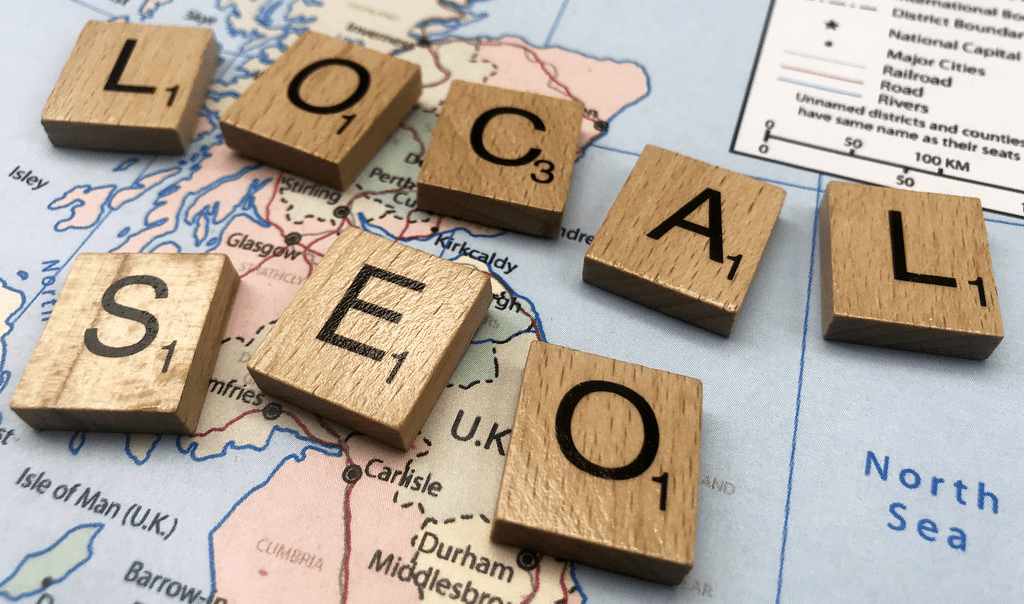
In today’s competitive digital landscape, small businesses face the challenge of standing out amidst the noise. With consumers increasingly turning to the internet to discover local products and services, mastering local search engine optimization (SEO) has become essential for small business growth. In this guide, we’ll explore how harnessing the power of local SEO can propel your small business to new heights. Understanding Local SEO Local SEO focuses on optimizing your online presence to attract more local customers searching for products or services in your area. It involves a combination of strategies aimed at improving your visibility in local search results, such as Google Maps and local listings. By optimizing your website and online profiles for local searches, you can connect with potential customers at the precise moment they’re looking for what you offer. Key Components of Local SEO Google My Business (GMB) Optimization: Claiming and optimizing your Google My Business listing is crucial for local SEO success. Provide accurate and up-to-date information about your business, including your address, phone number, website, and business hours. Add high-quality photos of your storefront, products, and team to make your listing more appealing to potential customers. Localized Keyword Optimization: Conduct keyword research to identify relevant search terms with local intent. Incorporate these keywords naturally into your website content, meta tags, and headings. Focus on long-tail keywords that include location-specific phrases to attract highly targeted traffic from your area. Local Content Creation: Create content that resonates with your local audience. Write blog posts, guides, and case studies that address local topics, events, and trends. Showcase your involvement in the community and highlight local testimonials and success stories to build trust and credibility with potential customers. Online Reviews and Reputation Management: Encourage satisfied customers to leave positive reviews on platforms like Google, Yelp, and Facebook. Respond promptly to both positive and negative reviews to show that you value customer feedback and are committed to providing excellent service. Monitoring and managing your online reputation is essential for attracting and retaining customers. Local Link Building: Build relationships with local businesses, organizations, and influencers to earn high-quality backlinks to your website. Participate in community events, sponsor local charities, and collaborate with other businesses on joint promotions or initiatives. Building a network of local connections can help boost your online visibility and credibility. Measuring Success and Making Adjustments Track key metrics such as website traffic, search rankings, and customer engagement to gauge the effectiveness of your local SEO efforts. Use tools like Google Analytics and Google Search Console to monitor your website performance and identify areas for improvement. Regularly review your local search rankings and online reviews to stay ahead of the competition and adapt your strategy as needed. Conclusion: Driving Local Growth with Local SEO In an increasingly competitive marketplace, small businesses must leverage every available opportunity to attract and retain customers. By implementing a comprehensive local SEO strategy, you can increase your visibility in local search results, drive more targeted traffic to your website, and ultimately grow your business. From optimizing your Google My Business listing to creating locally relevant content and building relationships with other businesses, there are numerous ways to harness the power of local SEO to propel your small business forward. Start implementing these strategies today and watch as your business flourishes in the digital age.
Building a Successful Career in WordPress Development
Introduction: In today’s digital age, having a strong online presence is crucial for businesses and individuals alike. This has led to a surge in demand for skilled professionals who can create and maintain dynamic websites. Among the various platforms available, WordPress stands out as a powerful and versatile tool for website development. In this blog, we’ll explore the exciting career prospects in WordPress development and how you can pave your way to success in this thriving field. Understanding the Role of a WordPress Developer: A WordPress developer is responsible for designing, developing, and maintaining websites using the WordPress platform. They work with themes, plugins, custom code, and other tools to create functional and visually appealing websites tailored to client or business needs. Growing Demand for WordPress Developers: With the increasing shift towards online business and digital marketing strategies, the demand for WordPress developers has seen a significant rise. Businesses of all sizes, bloggers, e-commerce stores, and agencies are constantly seeking skilled developers to create and manage their online presence effectively. Key Skills and Qualifications: Growing Demand for WordPress Developers: With the increasing shift towards online business and digital marketing strategies, the demand for WordPress developers has seen a significant rise. Businesses of all sizes, bloggers, e-commerce stores, and agencies are constantly seeking skilled developers to create and manage their online presence effectively. To excel as a WordPress developer, certain key skills and qualifications are highly beneficial. These include proficiency in HTML, CSS, JavaScript, PHP, and MySQL, as well as knowledge of WordPress themes, plugins, and customization techniques. Strong problem-solving abilities, attention to detail, and good communication skills are also essential for success in this role. Career Paths in WordPress Development: The career paths available to WordPress developers are diverse and exciting. They can work as freelance developers, offering services to multiple clients and projects. They can also join web development agencies or IT companies, contributing to larger-scale projects and collaborations. Additionally, some developers choose to specialize in areas such as e-commerce development, theme/plugin development, or WordPress security, opening up niche opportunities in the market. Advantages of a Career in WordPress Development: Working as a WordPress developer comes with numerous advantages. Firstly, the flexibility of freelance work allows developers to manage their schedules and choose projects based on interest and expertise. Secondly, the continuous learning curve in WordPress development keeps professionals updated with the latest technologies and trends, enhancing their skills and market value. Lastly, the growing demand ensures a stable and rewarding career path with ample opportunities for growth and advancement. Building a Strong Portfolio and Network: For aspiring WordPress developers, building a strong portfolio showcasing past projects, skills, and achievements is crucial. This not only attracts potential clients or employers but also demonstrates your expertise and creativity in website development. Networking within the WordPress community through forums, meetups, and online platforms like GitHub and LinkedIn also opens doors to collaborations, mentorship, and career opportunities. Training and Certification Opportunities: While hands-on experience and self-learning are valuable in WordPress development, formal training and certification can provide structured knowledge and validation of skills. Many online platforms offer WordPress courses, workshops, and certification programs covering various aspects of WordPress development, from basic to advanced levels. Conclusion: In conclusion, a career in WordPress development offers immense potential, growth opportunities, and creative satisfaction for individuals passionate about web development and technology. By honing essential skills, building a robust portfolio, staying updated with industry trends, and networking effectively, aspiring developers can carve a successful and rewarding path in this dynamic field.
Top 10 Digital Marketing Ideas to Propel Your Small Business to Success
In today’s digital age, a strong online presence is no longer a luxury – it’s a necessity for small businesses. But with so many digital marketing channels and tactics available, it can be overwhelming to know where to start. Here are the top 10 ideas to get you on the right track and achieve success through digital marketing: Master the Art of SEO: Search Engine Optimization (SEO) is the foundation of digital marketing. By optimizing your website with relevant keywords and user-friendly design, you increase your chances of appearing at the top of search engine results pages (SERPs) when potential customers search for products or services like yours. 2. Embrace the Power of Content Marketing: Content is king! Create valuable, informative, and engaging content like blog posts, infographics, videos, or social media posts that resonate with your target audience. This establishes you as an industry thought leader and builds trust with potential customers. 3. Own Your Social Media Space: Choose the social media platforms where your target audience hangs out (Facebook, Instagram, etc.) and establish a strong presence there. Regularly share engaging content, run contests, and respond to comments and messages to build a community around your brand. 4. Leverage the Magic of Email Marketing: Email marketing remains a powerful tool for nurturing leads and driving sales. Build an email list by offering valuable incentives and send targeted email campaigns with personalized offers and promotions. 5. Don’t Underestimate Local SEO: If your business has a physical location, local SEO is crucial. Claim your Google My Business profile, optimize your website for local searches, and encourage customer reviews to increase your local visibility and attract nearby customers. 6. Run Paid Advertising Campaigns: Social media advertising platforms and pay-per-click (PPC) advertising can be highly effective ways to reach a wider audience and target specific demographics. Set a clear budget and track your results to ensure you’re getting the most out of your ad spend. 7. Collaborate with Influencers: Partnering with relevant influencers in your industry can expose your brand to a new audience and build trust through endorsements. 8. Unleash the Power of Video Marketing: Videos are a highly engaging content format. Create explainer videos, product demos, customer testimonials, or behind-the-scenes glimpses to capture attention and connect with your audience on a deeper level. 9. Track, Analyze, and Adapt: Digital marketing is an ongoing process. Utilize website analytics tools to track your progress, measure the effectiveness of your campaigns, and adapt your strategies based on data and customer insights. 10. Embrace Customer Reviews and Feedback: Encourage customer reviews on Google, social media platforms, and other relevant sites. Respond to both positive and negative feedback to demonstrate your commitment to customer satisfaction and build trust with potential customers. By implementing these ideas and staying up-to-date with the evolving digital landscape, you can leverage the power of digital marketing to take your small business to new heights. Remember, success doesn’t happen overnight, so be patient, consistent, and data-driven in your approach.
Top Digital Marketing Updates for April 2024: Stay Ahead of the Curve
The digital marketing landscape is constantly evolving, and April 2024 has been no exception. From platform updates to emerging trends, staying informed is crucial for success. Here’s a breakdown of the top 10 updates you need to know: 1. Google Search Core Algorithm Update (April 5th): Google rolled out a core algorithm update in early April. While specifics remain undisclosed, experts suggest a focus on content quality, user experience, and EAT (Expertise, Authoritativeness, and Trustworthiness) of websites. Action: Double down on high-quality content creation, ensure website usability, and strengthen your backlink profile. 2. TikTok’s Focus on eCommerce (April 12th): TikTok announced a series of updates aimed at streamlining in-app purchases. This includes better product discovery tools, partnerships with major retailers, and enhanced livestream shopping features. Action: Consider incorporating TikTok into your marketing strategy, especially for younger demographics, and explore its advertising and shopping features. 3. AI-Powered Content Creation on the Rise: The use of AI for content creation, from text generation to image optimization, is rapidly increasing. Platforms are offering tools to assist with content strategy, writing, and even video editing. Action: Explore AI-powered tools to streamline your content creation workflow, but remember human creativity remains essential. 4. Increased Focus on Data Privacy: Data privacy regulations are becoming stricter worldwide. Platforms like Google are offering users more control over their data, and marketers need to adapt their data collection and targeting strategies. Action: Ensure compliance with data privacy regulations, prioritize first-party data collection, and obtain explicit user consent for data usage. 5. The Rise of Micro-Influencers: Brands are increasingly recognizing the value of partnering with micro-influencers (those with smaller, highly engaged audiences) for marketing campaigns. Micro-influencers often offer higher engagement and more targeted reach. Action: Consider collaborating with micro-influencers relevant to your niche and target audience. 6. Interactive Content Takes Center Stage: From polls and quizzes to augmented reality (AR) experiences, interactive content provides a more engaging way to connect with audiences. Platforms are offering new tools to facilitate interactive content creation. Action: Explore interactive content formats that align with your marketing goals and target audience. 7. The Growing Importance of Voice Search: Voice search continues to gain popularity, and marketers need to optimize their content for voice queries. This includes using long-tail keywords and natural language optimization. Action: Analyze long-tail keywords related to your services or products and optimize your content for conversational search. 8. The Evolving Landscape of Social Media Advertising: Social media platforms are constantly updating their advertising features. This month features like interest-based targeting and audience segmentation received refinements on various platforms. Action: Stay updated on social media advertising platform updates and adapt your targeting strategies to leverage new features. 9. The Blurring Lines of Online and Offline Shopping: “Omnichannel” marketing, combining online and offline experiences, is crucial. Think click-and-collect options, in-store AR experiences, and social media integration with physical stores. Action: Develop a cohesive marketing strategy that bridges the gap between online and offline channels.
Understanding and Fixing Instagram Account Restrictions: A User’s Guide

Don’t Panic! Fixing Instagram Account Restrictions: A Step-by-Step Guide Have you ever opened your Instagram app only to be greeted with a dreaded message about “action blocked” or “account restricted”? Don’t worry, you’re not alone. Many users encounter Instagram restrictions for various reasons. But fear not, fellow scrollers! This blog will guide you through the steps to potentially lift those restrictions and get your Instagram groove back on. Why Does Instagram Restrict Accounts? Understanding the reasons behind Instagram restrictions is the first step towards resolving them. Here are some common culprits: Excessive Activity: Instagram frowns upon overly enthusiastic activity, such as rapid following/unfollowing sprees, mass liking or commenting, or excessive direct messaging in a short period. Inappropriate Content: Posting content that violates Instagram’s Community Guidelines, such as nudity, hate speech, or violence, can lead to restrictions. Copyright Infringement: Using copyrighted material without permission can trigger restrictions. Third-Party Apps: Using unauthorised automation tools or apps to manage your Instagram account can violate Instagram’s terms of service. Okay, My Account’s Restricted. What Now? Here’s what you can do: 1. Take a Break: First things first, take a breather from Instagram activity. Give the platform a cool-down period, avoiding any actions that might further trigger restrictions. 2. Review the Community Guidelines: Familiarize yourself with Instagram’s Community Guidelines to ensure your future posts comply. 3. Check for Copyright Infringement: Have you unknowingly posted copyrighted material? Remove any offending content if necessary. 4. Disconnect Unauthorized Apps: If you’re using any third-party apps to manage your Instagram, disconnect them from your account. 5. Appeal the Restriction (if applicable): Sometimes, Instagram might restrict your account by mistake. If you believe this is the case, you can appeal the restriction through the app. Here’s how: Go to your profile and tap the “Settings” icon. Tap “Account” and then “Account Status.” If an “Appeal Restriction” option is available, tap it and follow the on-screen instructions. 6. Report the Issue (if necessary): If appealing isn’t an option, you can report the issue directly to Instagram. You can do this through the app or their website. 7. Be Patient: Resolving restrictions can take time. Wait for a response from Instagram and avoid contacting them excessively. Additional Tips: Verify your Account: Verifying your account with your phone number and email address can help demonstrate your legitimacy. Switch to a Business Account (Optional): If you’re using Instagram for business purposes, consider switching to a Business Account. It offers additional features and might provide more support in case of restrictions. Remember: Prevention is always better than cure. By following Instagram’s guidelines and using the platform responsibly, you can minimize the chances of encountering restrictions in the first place. Hopefully, these steps help you get your Instagram account back on track. Now go forth and unleash your creativity responsibly!
Off-Page SEO: The Powerhouse Behind Your Website’s Visibility
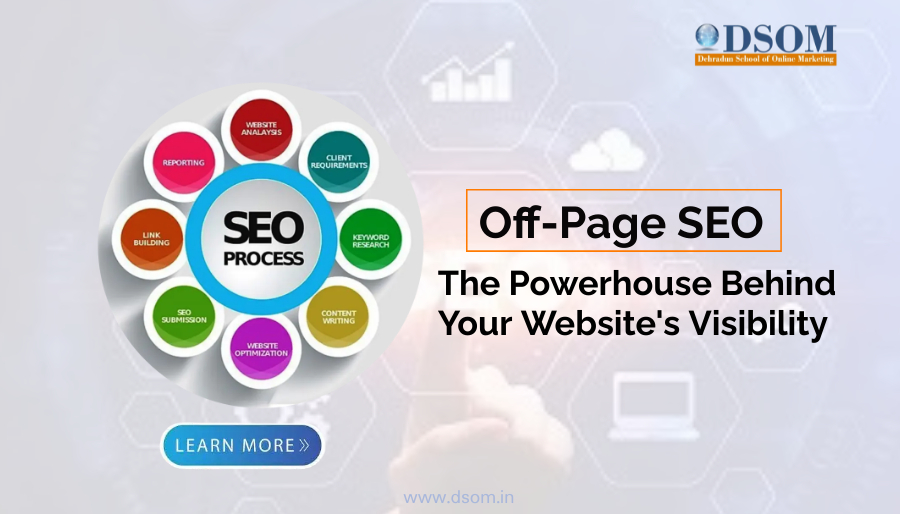
Off-Page SEO: The Powerhouse Behind Your Website’s Visibility In the competitive world of SEO, ranking high on search engine results pages (SERPs) can feel like winning the digital lottery. But SEO isn’t just about optimizing your website itself (on-page SEO). There’s another crucial factor at play: off-page SEO. So, what exactly is off-page SEO? Imagine your website as a store on a bustling street. On-page SEO focuses on making your store look attractive and well-organized (think product displays and clear signage). Off-page SEO, on the other hand, is about building your reputation in the neighborhood. It’s about getting people to talk about your store, recommending it to others, and establishing it as a trusted destination. Here’s a breakdown of how off-page SEO translates to the digital world: Off-page SEO focuses on activities performed outside your website. This includes building backlinks, engaging in social media marketing, and influencer outreach. The goal of off-page SEO is to increase your website’s authority and credibility in the eyes of search engines. By earning positive signals from external sources, you essentially tell search engines your website is valuable and noteworthy. This can significantly influence your ranking for relevant search terms. Essential Techniques for Off-Page SEO Success: Now that you understand the concept, let’s explore some key techniques to master off-page SEO: Link Building: This is the heart of off-page SEO. Backlinks, as discussed previously, act as votes of confidence from other websites. The more high-quality backlinks you have, the stronger your website’s reputation appears to search engines. Social Media Marketing: Active social media presence isn’t just about brand awareness. Sharing valuable content and engaging with your audience can attract organic backlinks and drive referral traffic to your website. Guest Blogging: Contributing guest articles to relevant websites within your niche exposes your brand to a new audience and earns you a valuable backlink from the host website. Online Reputation Management: Actively monitor and respond to online reviews and mentions of your brand. Positive mentions can indirectly boost your website’s authority. Influencer Marketing: Partnering with relevant influencers in your niche can leverage their audience reach and credibility to promote your website and content, potentially leading to backlinks and increased brand awareness. Broken Link Building: Find websites with broken links pointing to outdated content. Reach out and offer your own insightful content as a replacement, acquiring a backlink in the process. How Off-Page SEO Impacts Your Google Ranking: Off-page SEO plays a critical role in influencing your Google ranking in several ways: Backlink Strength: As mentioned earlier, backlinks act as a popularity contest for search engines. High-quality backlinks from trusted websites signal to Google that your content is valuable and deserves a higher ranking. Website Authority: The more positive signals you receive from external sources through off-page SEO techniques, the higher your website’s authority appears in the eyes of search engines. This translates to better rankings for relevant search terms. Brand Awareness & User Engagement: Off-page SEO efforts like social media promotion can increase brand awareness and user engagement with your website. Google considers user engagement metrics when ranking websites, so a strong off-page SEO strategy can indirectly improve your ranking. The Takeaway: Off-Page SEO – A Vital Piece of the Puzzle While on-page SEO is crucial for website optimization, neglecting off-page SEO would be like opening your fantastic store without any marketing or advertising. Off-page SEO builds your website’s reputation and authority, leading to better Google rankings, increased website traffic, and ultimately, a thriving online presence.
Exploring the Rich History and Exciting Career Scope of Animation and Motion Graphics
In today’s visually driven world, animation and motion graphics have become integral parts of our daily lives. From captivating films and advertisements to immersive video games and interactive websites, the use of animation and motion graphics has expanded exponentially. But what is the history behind this dynamic art form, who were its pioneers, and what career opportunities does it offer? Let’s delve into the fascinating journey of animation and motion graphics. The Birth of Animation: The roots of animation can be traced back to ancient times when cave paintings and Egyptian hieroglyphs depicted motion through a series of images. However, it wasn’t until the late 19th century that the concept of modern animation began to take shape. One of the earliest pioneers of animation was Émile Reynaud, a French inventor who created the Praxinoscope in 1877, a device capable of displaying moving images. Following Reynaud’s work, Thomas Edison and William Kennedy Laurie Dickson developed the Kinetoscope in 1891, which allowed for the viewing of short films, marking a significant milestone in the history of animation. The Lumière Brothers and Early Animation: In 1895, the Lumière Brothers, Auguste and Louis Lumière, showcased the first public screening of moving pictures in Paris, France. Their invention, the Cinématographe, paved the way for the development of animation as a form of entertainment. However, it was French filmmaker Georges Méliès who truly revolutionized the art of animation with his groundbreaking film “A Trip to the Moon” (1902). Méliès utilized innovative techniques such as stop-motion animation and hand-painted frames to create fantastical worlds on screen. Walt Disney and the Golden Age of Animation: The early 20th century saw the rise of animation studios around the world, but none would have a greater impact than Walt Disney Studios. In 1928, Walt Disney introduced Mickey Mouse in the iconic short film “Steamboat Willie,” which became an instant sensation. Disney’s dedication to storytelling, character development, and technological innovation set a new standard for animation. Throughout the 20th century, Disney produced a string of beloved animated classics, including “Snow White and the Seven Dwarfs” (1937), “Fantasia” (1940), and “The Lion King” (1994), solidifying its reputation as a leader in the animation industry. Applications of Animation and Motion Graphics: Animation and motion graphics have found widespread use across various industries, including: Entertainment: Animated films, television shows, and video games entertain audiences of all ages and have become a multi-billion dollar industry. Advertising: Motion graphics are used in commercials, promotional videos, and digital marketing campaigns to grab the audience’s attention and convey messages effectively. Education: Animated videos and interactive tutorials are valuable tools for teaching complex concepts in an engaging and accessible manner. Architecture and Engineering: 3D visualization and animation are used to create virtual tours, architectural renderings, and product prototypes, allowing designers and engineers to explore and present their ideas more effectively. Career Scope in Animation and Motion Graphics: Today, the field of animation and motion graphics offers a wide range of career opportunities for creative individuals. From traditional 2D animation to cutting-edge 3D modeling and visual effects, there are roles suited to various skill sets and interests. Animator: Animators bring characters and scenes to life through movement and expression. They may specialize in hand-drawn animation, computer-generated imagery (CGI), or stop-motion animation. Motion Graphics Designer: Motion graphics designers create animated graphics and visual effects for film, television, advertising, and digital media. They often work with software such as Adobe After Effects and Cinema 4D to produce dynamic and engaging content. Storyboard Artist: Storyboard artists play a crucial role in the pre-production process by creating visual blueprints for animated films, commercials, and video games. Their sketches help directors and animators visualize the sequence of shots and plan the overall composition. 3D Modeler: 3D modelers use specialized software to create digital models of characters, objects, and environments for use in animation and visual effects. They must have a strong understanding of anatomy, form, and texture to produce realistic and visually stunning designs. In conclusion, the history of animation and motion graphics is a testament to human creativity, innovation, and storytelling. From its humble beginnings as a series of hand-drawn sketches to its current state-of-the-art digital form, animation continues to captivate and inspire audiences around the world. With a myriad of career opportunities and applications across various industries, animation and motion graphics remain at the forefront of visual communication in the digital age.
Social Media SEO: Where Likes Meet Rankings
In today’s digital landscape, social media isn’t just about connecting with friends and sharing funny cat videos. It’s a powerful tool that can significantly impact your website’s search engine optimization (SEO) efforts. Confused? Welcome to the world of Social Media SEO! Social Media SEO: Not Just About Popularity Think of social media platforms like giant online water coolers. People gather there to discuss topics, share information, and discover new things. Social Media SEO is about strategically leveraging these platforms to improve your website’s visibility and attract search engine attention. Here’s the key takeaway: Social media isn’t a direct ranking factor for search engines like Google. However, it indirectly influences your SEO in several ways: Increased Brand Awareness: Active social media presence keeps your brand name and website fresh in people’s minds. This can lead to more organic searches for your brand and website over time. Content Amplification: Social media platforms provide excellent avenues to share your website content. Engaging content shared on social media can attract clicks and drive valuable traffic to your website. Backlink Opportunities: Social media can be a springboard for generating backlinks. When people find valuable content on your social media pages, they might be more likely to link to your website on their own blogs or articles. Social Signals: While not a direct ranking factor, some believe social media engagement metrics like likes, shares, and comments can indirectly influence search engine algorithms. Engaging social media content suggests valuable and informative content, potentially boosting your website’s authority. Optimizing Your Social Media Presence for SEO: Now that you understand the concept, here are some strategies to enhance your social media SEO: Content is King: Just like on your website, high-quality and informative content is crucial for social media. Share blog posts, infographics, videos, and other engaging content relevant to your target audience. Optimize Your Profiles: Craft compelling bios and descriptions for your social media profiles. Include relevant keywords and a clear call to action directing users to your website. Strategic Hashtags: Research and use relevant hashtags in your social media posts. This increases the discoverability of your content by people searching for those hashtags. Be Socially Active: Don’t just post and disappear! Engage with your audience by responding to comments, participating in conversations, and running interactive polls or Q&A sessions. Integrate with Your Website: Include links to your website in your social media bios and posts. Encourage social sharing of your website content. Social Media SEO: A Collaborative Effort Social media SEO isn’t a standalone strategy. It works best when integrated with your overall SEO efforts. Here’s how: Promote Optimized Content: Share your SEO-optimized website content on social media platforms to reach a wider audience. Keyword Research: Use keyword research insights to inform your social media content strategy and target relevant keywords. Social Listening: Use social media listening tools to identify trending topics and conversations relevant to your niche. This can help you create content that resonates with your audience and potentially improves SEO. The Takeaway: Social Media SEO – A Boost for Your Website Social media platforms offer a powerful avenue to enhance your website’s visibility and SEO efforts. By creating engaging content, optimizing your profiles, and fostering social interaction, you can leverage the power of social media to attract more visitors, build brand awareness, and ultimately, improve your website’s ranking potential. So, don’t underestimate the power of Social Media SEO. Embrace these strategies and watch your website climb the search engine ladder, one like, share, and comment at a time!
Top 5 AI Tools to Power Up Your Business Website’s SEO
In today’s competitive digital landscape, ranking high in search engine results pages (SERPs) is crucial for business success. But SEO strategies can be complex and time-consuming. That’s where AI comes in! Here are the top 5 AI-powered tools to help you optimize your website and conquer the SERPs: 1.Surfer SEO: On-Page Optimization Champion Surfer SEO is a one-stop shop for on-page optimization. It analyzes top-ranking pages for your target keywords and provides actionable insights to improve your content. Think of it as your SEO coach, suggesting optimizations for everything from keyword density and content structure to readability and internal linking. 2.SEMrush: The All-Encompassing SEO Suite SEMrush is a powerhouse SEO platform with a variety of AI-powered features. It offers comprehensive keyword research tools, competitor analysis, and backlink tracking. But where AI shines is in its real-time content optimization suggestions. As you write, SEMrush analyzes your content and offers recommendations to improve its SEO strength. 3.MarketMuse: Content Optimization on Autopilot MarketMuse takes a data-driven approach to SEO. It analyzes your content and compares it to top-performing competitors’ content. This AI tool identifies content gaps and suggests improvements to make your content more competitive and informative. MarketMuse even offers a content score, giving you a clear benchmark for your content’s SEO potential. 4.Jasper: The AI Writing Assistant for SEO-Friendly Content Jasper (formerly Jarvis) is a popular AI writing assistant that can be a valuable asset for SEO. It helps you overcome writer’s block and generate high-quality content ideas, headlines, and even entire blog posts. But Jasper’s strength lies in its ability to optimize your content for target keywords. It ensures your content incorporates relevant keywords naturally, improving your content’s ranking potential. 5.Frase: Craft Powerful Content Briefs with AI Frase is an AI-powered content intelligence tool that excels at creating comprehensive content briefs. Simply enter your target keyword, and Frase uses AI to analyze search results and generate an outline packed with relevant information, subheadings, and even potential questions to answer. This ensures your content covers all the bases search engines are looking for, boosting your ranking chances. Remember, AI SEO tools are there to empower you, not replace your human touch. Use these tools alongside your creativity and SEO knowledge to craft high-quality content that resonates with your audience and conquers the SERPs. While AI tools offer valuable assistance, a solid understanding of SEO principles is essential for long-term success. If you’re looking to delve deeper into SEO and digital marketing, consider enrolling in a course offered by a reputable institute like the Dehradun School of Online Marketing (DSOM) in Dehradun. By combining the power of AI tools with a strong foundation in SEO best practices, you can empower your business website to dominate search engine results and achieve lasting digital marketing success.