Building a Successful Career in WordPress Development
Introduction: In today’s digital age, having a strong online presence is crucial for businesses and individuals alike. This has led to a surge in demand for skilled professionals who can create and maintain dynamic websites. Among the various platforms available, WordPress stands out as a powerful and versatile tool for website development. In this blog, we’ll explore the exciting career prospects in WordPress development and how you can pave your way to success in this thriving field. Understanding the Role of a WordPress Developer: A WordPress developer is responsible for designing, developing, and maintaining websites using the WordPress platform. They work with themes, plugins, custom code, and other tools to create functional and visually appealing websites tailored to client or business needs. Growing Demand for WordPress Developers: With the increasing shift towards online business and digital marketing strategies, the demand for WordPress developers has seen a significant rise. Businesses of all sizes, bloggers, e-commerce stores, and agencies are constantly seeking skilled developers to create and manage their online presence effectively. Key Skills and Qualifications: Growing Demand for WordPress Developers: With the increasing shift towards online business and digital marketing strategies, the demand for WordPress developers has seen a significant rise. Businesses of all sizes, bloggers, e-commerce stores, and agencies are constantly seeking skilled developers to create and manage their online presence effectively. To excel as a WordPress developer, certain key skills and qualifications are highly beneficial. These include proficiency in HTML, CSS, JavaScript, PHP, and MySQL, as well as knowledge of WordPress themes, plugins, and customization techniques. Strong problem-solving abilities, attention to detail, and good communication skills are also essential for success in this role. Career Paths in WordPress Development: The career paths available to WordPress developers are diverse and exciting. They can work as freelance developers, offering services to multiple clients and projects. They can also join web development agencies or IT companies, contributing to larger-scale projects and collaborations. Additionally, some developers choose to specialize in areas such as e-commerce development, theme/plugin development, or WordPress security, opening up niche opportunities in the market. Advantages of a Career in WordPress Development: Working as a WordPress developer comes with numerous advantages. Firstly, the flexibility of freelance work allows developers to manage their schedules and choose projects based on interest and expertise. Secondly, the continuous learning curve in WordPress development keeps professionals updated with the latest technologies and trends, enhancing their skills and market value. Lastly, the growing demand ensures a stable and rewarding career path with ample opportunities for growth and advancement. Building a Strong Portfolio and Network: For aspiring WordPress developers, building a strong portfolio showcasing past projects, skills, and achievements is crucial. This not only attracts potential clients or employers but also demonstrates your expertise and creativity in website development. Networking within the WordPress community through forums, meetups, and online platforms like GitHub and LinkedIn also opens doors to collaborations, mentorship, and career opportunities. Training and Certification Opportunities: While hands-on experience and self-learning are valuable in WordPress development, formal training and certification can provide structured knowledge and validation of skills. Many online platforms offer WordPress courses, workshops, and certification programs covering various aspects of WordPress development, from basic to advanced levels. Conclusion: In conclusion, a career in WordPress development offers immense potential, growth opportunities, and creative satisfaction for individuals passionate about web development and technology. By honing essential skills, building a robust portfolio, staying updated with industry trends, and networking effectively, aspiring developers can carve a successful and rewarding path in this dynamic field.
Exploring the Rich History and Exciting Career Scope of Animation and Motion Graphics
In today’s visually driven world, animation and motion graphics have become integral parts of our daily lives. From captivating films and advertisements to immersive video games and interactive websites, the use of animation and motion graphics has expanded exponentially. But what is the history behind this dynamic art form, who were its pioneers, and what career opportunities does it offer? Let’s delve into the fascinating journey of animation and motion graphics. The Birth of Animation: The roots of animation can be traced back to ancient times when cave paintings and Egyptian hieroglyphs depicted motion through a series of images. However, it wasn’t until the late 19th century that the concept of modern animation began to take shape. One of the earliest pioneers of animation was Émile Reynaud, a French inventor who created the Praxinoscope in 1877, a device capable of displaying moving images. Following Reynaud’s work, Thomas Edison and William Kennedy Laurie Dickson developed the Kinetoscope in 1891, which allowed for the viewing of short films, marking a significant milestone in the history of animation. The Lumière Brothers and Early Animation: In 1895, the Lumière Brothers, Auguste and Louis Lumière, showcased the first public screening of moving pictures in Paris, France. Their invention, the Cinématographe, paved the way for the development of animation as a form of entertainment. However, it was French filmmaker Georges Méliès who truly revolutionized the art of animation with his groundbreaking film “A Trip to the Moon” (1902). Méliès utilized innovative techniques such as stop-motion animation and hand-painted frames to create fantastical worlds on screen. Walt Disney and the Golden Age of Animation: The early 20th century saw the rise of animation studios around the world, but none would have a greater impact than Walt Disney Studios. In 1928, Walt Disney introduced Mickey Mouse in the iconic short film “Steamboat Willie,” which became an instant sensation. Disney’s dedication to storytelling, character development, and technological innovation set a new standard for animation. Throughout the 20th century, Disney produced a string of beloved animated classics, including “Snow White and the Seven Dwarfs” (1937), “Fantasia” (1940), and “The Lion King” (1994), solidifying its reputation as a leader in the animation industry. Applications of Animation and Motion Graphics: Animation and motion graphics have found widespread use across various industries, including: Entertainment: Animated films, television shows, and video games entertain audiences of all ages and have become a multi-billion dollar industry. Advertising: Motion graphics are used in commercials, promotional videos, and digital marketing campaigns to grab the audience’s attention and convey messages effectively. Education: Animated videos and interactive tutorials are valuable tools for teaching complex concepts in an engaging and accessible manner. Architecture and Engineering: 3D visualization and animation are used to create virtual tours, architectural renderings, and product prototypes, allowing designers and engineers to explore and present their ideas more effectively. Career Scope in Animation and Motion Graphics: Today, the field of animation and motion graphics offers a wide range of career opportunities for creative individuals. From traditional 2D animation to cutting-edge 3D modeling and visual effects, there are roles suited to various skill sets and interests. Animator: Animators bring characters and scenes to life through movement and expression. They may specialize in hand-drawn animation, computer-generated imagery (CGI), or stop-motion animation. Motion Graphics Designer: Motion graphics designers create animated graphics and visual effects for film, television, advertising, and digital media. They often work with software such as Adobe After Effects and Cinema 4D to produce dynamic and engaging content. Storyboard Artist: Storyboard artists play a crucial role in the pre-production process by creating visual blueprints for animated films, commercials, and video games. Their sketches help directors and animators visualize the sequence of shots and plan the overall composition. 3D Modeler: 3D modelers use specialized software to create digital models of characters, objects, and environments for use in animation and visual effects. They must have a strong understanding of anatomy, form, and texture to produce realistic and visually stunning designs. In conclusion, the history of animation and motion graphics is a testament to human creativity, innovation, and storytelling. From its humble beginnings as a series of hand-drawn sketches to its current state-of-the-art digital form, animation continues to captivate and inspire audiences around the world. With a myriad of career opportunities and applications across various industries, animation and motion graphics remain at the forefront of visual communication in the digital age.
Dehradun is buzzing with digital knowledge as DSOM empowers JBIT College students with marketing skills
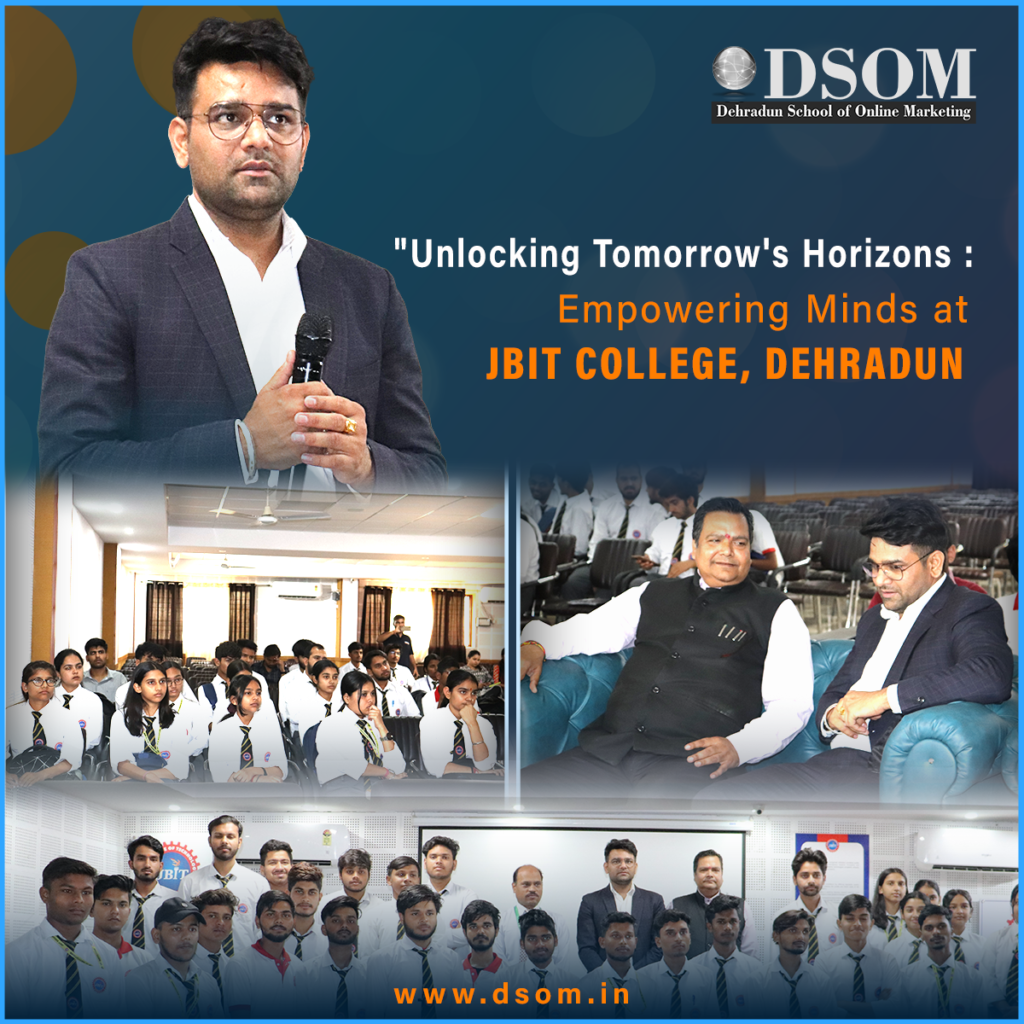
The vibrant city of Dehradun recently witnessed a surge of digital learning as the Dehradun School of Online Marketing (DSOM) conducted a successful seminar at JBIT College. This initiative aimed to equip students with the knowledge and tools needed to navigate the ever-expanding world of digital marketing, while also fostering awareness about online scams and how to combat them. In today’s digital age, a strong online presence is no longer a luxury for businesses; it’s a fundamental requirement for success. This growing emphasis on digital marketing has created a significant demand for skilled professionals who can wield the power of search engines, social media platforms, and other digital tools effectively. Demystifying the Digital Domain: Unpacking the Seminar’s Content The DSOM seminar, led by a team of seasoned professionals, delved into various aspects of digital marketing, offering students a comprehensive understanding of this dynamic field. Here’s a closer look at the key areas explored: Digital Marketing 101: The session introduced students to the core concepts of digital marketing, contrasting them with traditional marketing approaches. It delved into various digital channels like social media, search engines, email marketing, and content marketing, highlighting their unique strengths and applications in the digital realm. Social Media Mastery: Engaging Your Audience Online: Social media has become an undeniable powerhouse in the digital marketing landscape. The seminar shed light on how businesses can leverage the power of platforms like Facebook, Instagram, Twitter, and LinkedIn to connect with their target audience, build brand awareness, and drive engagement. Students learned about crafting compelling social media content, utilizing social media analytics, and running targeted campaigns to maximize reach and impact. Unlocking the Secrets of SEO: Climbing the Search Engine Ladder: Search Engine Optimization (SEO) is the magic formula that ensures a website’s visibility in search engine results pages (SERPs). The seminar equipped students with a foundational understanding of SEO principles, including keyword research, on-page optimization, link-building strategies, and technical SEO considerations. Content is King: Crafting Content that Converts: High-quality, informative, and engaging content forms the backbone of any successful digital marketing strategy. The session emphasized the importance of creating content that resonates with the target audience. Students explored various content formats like blog posts, infographics, videos, and case studies, and learned strategies for content distribution and promotion to ensure maximum reach. Beyond Awareness: Equipping Students to Combat Online Fraud The digital world, while brimming with opportunities, also presents challenges. The seminar addressed the growing concern of online scams and fraudulent activities prevalent in the digital marketing space. Experts from DSOM shared valuable insights and practical tips to help students identify and avoid these scams, including: Understanding Common Digital Marketing Frauds: The session exposed students to some of the most common digital marketing scams, such as fake SEO guarantees, clickbait advertising, and social media account hacking. This knowledge empowers students to be vigilant and make informed decisions when encountering such tactics. Red Flags to Watch Out For The seminar equipped students with the ability to recognize red flags that might indicate a potential scam. This included unrealistic promises, unsolicited offers, and pressure tactics employed by fraudulent entities. By understanding these red flags, students can avoid falling prey to deceptive practices. Safeguarding Personal Information Online: Data security is paramount in the digital age. The session emphasized the importance of protecting personal information online by using strong passwords, being cautious about clicking on suspicious links, and verifying the legitimacy of websites before submitting any data. Interactive Learning: Fostering Engagement and Understanding The DSOM seminar at JBIT College wasn’t just about information dissemination; it was designed to be an interactive learning experience. Students actively participated in discussions, asked insightful questions, and readily engaged with the practical exercises presented by the trainers. This interactive format fostered a dynamic learning environment, allowing students to grasp the concepts effectively and apply their newfound knowledge to real-world scenarios. Building Bridges for Future Success: Empowering the Next Generation The successful seminar at JBIT College reflects DSOM’s unwavering commitment to empowering students with the skills and knowledge necessary to thrive in the ever-evolving digital marketing landscape. By providing access to industry experts and practical training in digital marketing fundamentals and fraud prevention techniques, DSOM equips students to become responsible and effective digital marketing professionals. Looking Ahead: A Brighter Digital Future As the digital marketing landscape continues to evolve, initiatives like the DSOM seminar at JBIT College play a crucial role in shaping the future of the industry. By fostering digital marketing awareness and equipping students with the necessary skills to navigate the online world effectively, DSOM empowers the next generation of marketing professionals to contribute meaningfully to the digital ecosystem.
A Guide to Building a Successful Career in Google Ads

Are you interested in a career that combines creativity, analytics, and strategic thinking? A career in Google Ads might be just what you’re looking for! Google Ads is a powerful platform that businesses use to reach their target audiences and drive results. In this guide, we’ll explore how you can build a successful career in Google Ads, covering key concepts like remarketing, Google Tag Manager (GTM), tracking codes, cost optimization, lead quality, and more. Understanding Google Ads Basics Before diving into advanced strategies, it’s crucial to understand the basics of Google Ads. Google Ads allows businesses to create ads that appear on Google’s search results pages and other Google properties. These ads can target specific keywords, demographics, locations, and devices, making them highly targeted and effective. Mastering Remarketing Strategies One of the most powerful features of Google Ads is remarketing. Remarketing allows you to show ads to users who have previously visited your website or interacted with your ads. This strategy keeps your brand top-of-mind and encourages users to return and complete desired actions, such as making a purchase or filling out a form. By crafting compelling ad creatives and targeting specific audience segments, you can maximize the effectiveness of your remarketing campaigns. Leveraging Google Tag Manager (GTM) Google Tag Manager (GTM) is a free tool that simplifies the process of managing website tags, including tracking codes for Google Ads and other analytics platforms. With GTM, you can easily add and update tracking codes without editing your website’s code directly. This flexibility enables faster implementation of tracking codes, accurate data collection, and streamlined campaign optimization. Implementing Tracking Codes Effectively Tracking codes are essential for measuring the performance of your Google Ads campaigns. By placing tracking codes on your website’s pages, you can track valuable actions such as conversions, sign-ups, purchases, and more. Google Ads provides conversion tracking tools that allow you to attribute conversions to specific ads, keywords, and campaigns, helping you understand which strategies are driving results. Optimizing Costs for Maximum ROI Cost optimization is a critical aspect of managing Google Ads campaigns. Setting and managing budgets effectively, monitoring cost per click (CPC), and optimizing bids based on performance data are key strategies for maximizing return on investment (ROI). By focusing on high-performing keywords, ad placements, and audience segments, you can allocate budgets wisely and achieve better results within your budget constraints. Prioritizing Lead Quality Over Quantity While generating leads is important, focusing on lead quality is equally crucial. Ensure that your Google Ads campaigns target relevant keywords and audience segments that align with your business objectives. Use ad extensions, compelling ad copy, and relevant landing pages to attract qualified leads who are more likely to convert into customers. Continuously analyze lead quality metrics such as conversion rates, lead-to-customer ratios, and customer lifetime value (CLV) to refine your targeting and messaging strategies. Continuous Learning and Adaptation The digital advertising landscape is constantly evolving, with new features, trends, and technologies emerging regularly. Successful Google Ads professionals stay updated with industry news, attend training sessions, and obtain relevant certifications such as Google Ads certifications. By continuously learning and adapting strategies based on data insights and industry best practices, you can stay ahead of the curve and drive ongoing success in your Google Ads career. Collaborating Across Teams Effective communication and collaboration are essential for success in Google Ads roles. Work closely with marketing teams, designers, developers, and stakeholders to align campaign strategies with overall business goals. Share insights, performance reports, and actionable recommendations regularly to ensure everyone is aligned and working towards common objectives. Embracing Creativity and Testing Creativity plays a significant role in creating compelling ad campaigns that capture audience attention. Experiment with different ad formats, visuals, messaging styles, and calls-to-action (CTAs) to discover what resonates best with your target audience. A/B testing ad variations allows you to identify winning strategies and continuously improve campaign performance over time. Building Analytical Skills Strong analytical skills are fundamental for success in Google Ads careers. Dive deep into campaign data, analyze performance metrics such as click-through rates (CTR), conversion rates, cost per acquisition (CPA), and return on ad spend (ROAS). Identify trends, patterns, and areas for improvement, and use data-driven insights to optimize campaigns, allocate budgets effectively, and drive meaningful results for your clients or company. Conclusion Building a successful career in Google Ads requires a combination of technical expertise, creativity, analytical skills, and strategic thinking. By mastering remarketing strategies, leveraging tools like Google Tag Manager, implementing tracking codes effectively, optimizing costs, prioritizing lead quality, and embracing continuous learning and collaboration, you can excel in Google Ads roles and drive significant value for businesses. Stay curious, stay updated, and keep experimenting to unlock new opportunities and achieve long-term success in the dynamic world of digital advertising!
Exploring Career Options After 12th: Digital Marketing, Graphic Designing, and Full Stack Development
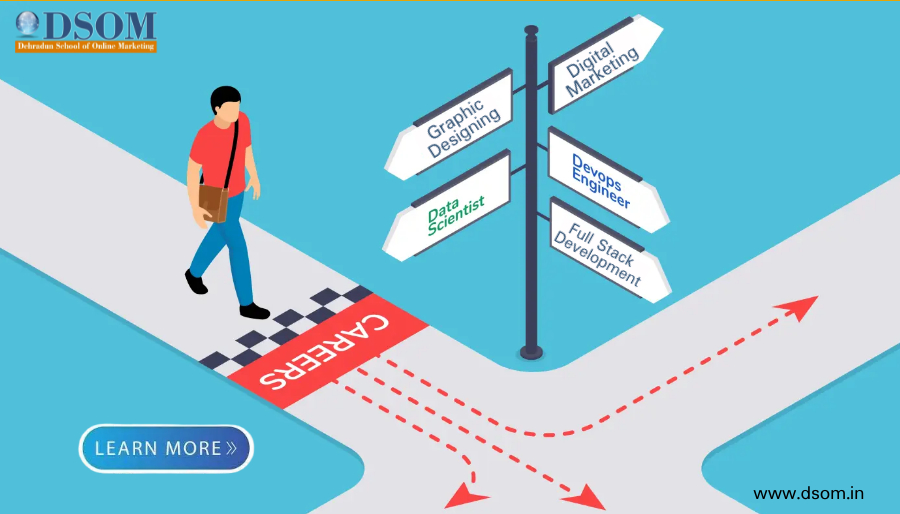
In the current era of rapid technological advancement, the career landscape has undergone a profound transformation. The traditional paths once dominated by medicine, engineering, and law have now expanded to include a plethora of options catering to diverse interests and skill sets. For students completing their 12th grade, the world is brimming with opportunities across various domains. In this blog post, we will delve into three promising career avenues: Digital Marketing, Graphic Designing, and Full Stack Development. Digital Marketing: Navigating the Digital Realm In an age where businesses thrive on their online presence, Digital Marketing has emerged as a pivotal career choice. This dynamic field encompasses a spectrum of activities aimed at promoting products or services through digital channels. From social media marketing to search engine optimization (SEO), digital marketers employ various strategies to enhance brand visibility and engagement. One of the key advantages of pursuing a career in Digital Marketing is its versatility. Whether you have a penchant for writing captivating content, analyzing data trends, or creating visually appealing graphics, there’s a niche within digital marketing that aligns with your strengths. Moreover, with the ever-growing demand for online outreach, skilled digital marketers are in high demand across industries. Graphic Designing: Crafting Visual Narratives Graphic Designing is not merely about creating aesthetically pleasing visuals; it’s about conveying messages, eliciting emotions, and shaping perceptions. From designing logos and branding materials to crafting user interfaces and website layouts, graphic designers play a pivotal role in shaping the visual identity of businesses and organizations. For individuals with a creative flair and a keen eye for detail, graphic designing offers a stimulating career path. The field constantly evolves with advancements in technology and design trends, presenting endless opportunities for innovation and experimentation. Moreover, with the rise of freelance platforms and remote work opportunities, graphic designers have the flexibility to work on diverse projects and collaborate with clients worldwide. Full Stack Development: Building Digital Solutions Full Stack Development is at the forefront of technological innovation, empowering developers to create robust and scalable web applications. Unlike specialized roles that focus on front-end or back-end development, full stack developers possess proficiency in both areas, allowing them to oversee the entire software development process from start to finish. In today’s digital age, where virtually every aspect of our lives is intertwined with technology, the demand for skilled full stack developers continues to soar. Whether it’s building e-commerce platforms, designing interactive web experiences, or developing mobile applications, full stack developers play a pivotal role in bringing digital ideas to life. Moreover, with the advent of frameworks and tools that streamline the development process, aspiring developers can embark on this career path with relative ease. Conclusion: Embracing Opportunities in a Dynamic Landscape The career landscape post-12th grade is no longer confined to conventional choices; it’s a vast terrain brimming with possibilities waiting to be explored. Whether you’re drawn to the strategic realm of digital marketing, the creative domain of graphic designing, or the technical world of full stack development, each path offers unique opportunities for growth and fulfillment. In this era of rapid technological advancement and digital innovation, adaptability and continuous learning are paramount. Regardless of the career path you choose, embracing lifelong learning and staying abreast of industry trends will be crucial for staying ahead in the competitive job market. As you embark on your journey beyond 12th grade, remember that the world is your oyster, and with determination, passion, and perseverance, you can carve out a rewarding career that aligns with your interests and aspirations. So seize the opportunities, embrace the challenges, and embark on a journey of growth and self-discovery in the dynamic landscape of the 21st-century workforce.
What you need to know to become a digital marketing manager?
What You Need to Know to Become a Digital Marketing Manager (and Land Your Dream Job) The digital world is booming, and with it, the ever-evolving landscape of digital marketing. Businesses are constantly seeking innovative ways to reach their target audience online, and that’s where the highly sought-after digital marketing manager steps in. This blog is your one-stop guide to becoming a digital marketing manager, packed with key skills, effective strategies, and insightful tips to propel your career towards success. Who is a digital marketing manager? A digital marketing manager is responsible for developing, implementing, and managing marketing campaigns that promote a company’s products or services. They play a crucial role in enhancing brand awareness within the digital space, driving website traffic, and acquiring leads and customers. This role typically involves overseeing various aspects of online marketing, including SEO, SEM, social media, email marketing, and content marketing. Top Responsibilities of a Digital Marketing Manager Strategy Development: Crafting comprehensive digital marketing strategies that align with business goals. SEO and SEM: optimizing website content for search engines to improve rankings and drive organic traffic. Content Creation: Overseeing the creation of engaging content for blogs, social media, and websites. Campaign Management: Managing online advertising campaigns on platforms like Google Ads and social media. Data Analysis: Analyzing performance metrics and adjusting strategies to improve results. Team leadership: leading and mentoring a team of digital marketing professionals. Essential Skills for a Digital Marketing Manager Analytical Skills: The ability to analyze data and make data-driven decisions. Creativity: crafting innovative marketing campaigns that capture attention. Technical Skills: Understanding of SEO, SEM, Google Analytics, and other digital tools. Communication Skills: Effectively communicating strategies and results to stakeholders. Project Management: Managing multiple projects and campaigns simultaneously. How to Become a Digital Marketing Manager 1. Obtain relevant education. While there is no specific degree required to become a digital marketing manager, a background in marketing, business, or a related field is beneficial. Many successful digital marketers have degrees in communications, journalism, or even psychology. 2. Gain experience in digital marketing. Experience is crucial in this field. Start with internships or entry-level positions in digital marketing to gain practical knowledge. Roles such as Digital Marketing Coordinator, SEO Specialist, or Social Media Manager can provide valuable hands-on experience. 3. Build a strong portfolio. A compelling portfolio showcases your skills and accomplishments. Include examples of successful campaigns you’ve managed, analytics reports, and content you’ve created. Highlight your role in each project and the results achieved. 4. Get Certified There are numerous certifications available that can enhance your credibility and knowledge, such as: Google Analytics Certification Google Ads Certification HubSpot Content Marketing Certification Facebook Blueprint Certification 5. Stay updated with industry trends. Digital marketing is an ever-changing field. Stay informed about the latest trends, tools, and best practices by following industry blogs, attending webinars, and participating in professional organizations. 6. Network with industry professionals. Networking can open doors to new opportunities. Join digital marketing groups on LinkedIn, attend industry conferences, and engage with professionals on social media platforms. Digital Marketing Manager Jobs and Salary Job Outlook The demand for digital marketing managers is expected to grow significantly as more businesses recognize the importance of a robust online presence. According to the U.S. Bureau of Labor Statistics, employment in advertising, promotions, and marketing management is projected to grow 10% from 2020 to 2030, faster than the average for all occupations. Salary Expectations Salaries for digital marketing managers in India vary widely depending on factors such as location, experience, and industry. According to recent data from sources like Glassdoor and PayScale, here’s an overview of salary expectations in India: Entry-Level Positions: Digital Marketing Managers at the beginning of their careers can expect to earn around INR 300,000 to INR 600,000 per year. Mid-Level Positions: With several years of experience, salaries typically range from INR 600,000 to INR 1,200,000 per year. Senior Positions: Experienced professionals in senior roles can earn anywhere from INR 1,200,000 to INR 2,500,000 or more annually. These figures can vary significantly based on the city, with metropolitan areas like Mumbai, Bangalore, and Delhi often offering higher salaries due to the higher cost of living and the concentration of digital marketing opportunities. Tips for a Successful Career in Digital Marketing Manager Continue learning: The digital marketing field is constantly evolving. Stay current by pursuing continuing education opportunities and certifications. Experiment and innovate: Don’t be afraid to try new strategies and tools. Innovation is key to staying ahead in digital marketing. Develop a Personal Brand: Build your own online presence through a personal blog, social media profiles, and networking. This can enhance your credibility and visibility in the industry. Focus on Analytics: Data is critical in digital marketing. Develop strong analytical skills to measure and improve campaign performance. Collaborate: Work closely with other departments such as sales, IT, and customer service to align your marketing efforts with overall business objectives. Create a Portfolio for Digital Marketing Manager: A well-crafted portfolio will distinguish you from other candidates with similar backgrounds. Think of your portfolio as a marketing tool, showcasing you as your most important client. Conclusion Becoming a successful digital marketing manager requires a blend of education, experience, and continuous learning. By developing essential skills, gaining relevant experience, and staying updated with industry trends, you can build a rewarding career in digital marketing. Create a strong portfolio, pursue certifications, and network with professionals to enhance your opportunities. With dedication and a passion for digital marketing, you can achieve significant success in this dynamic field.
Launch Your Digital Career with DSOM’s Comprehensive 9-Month Program
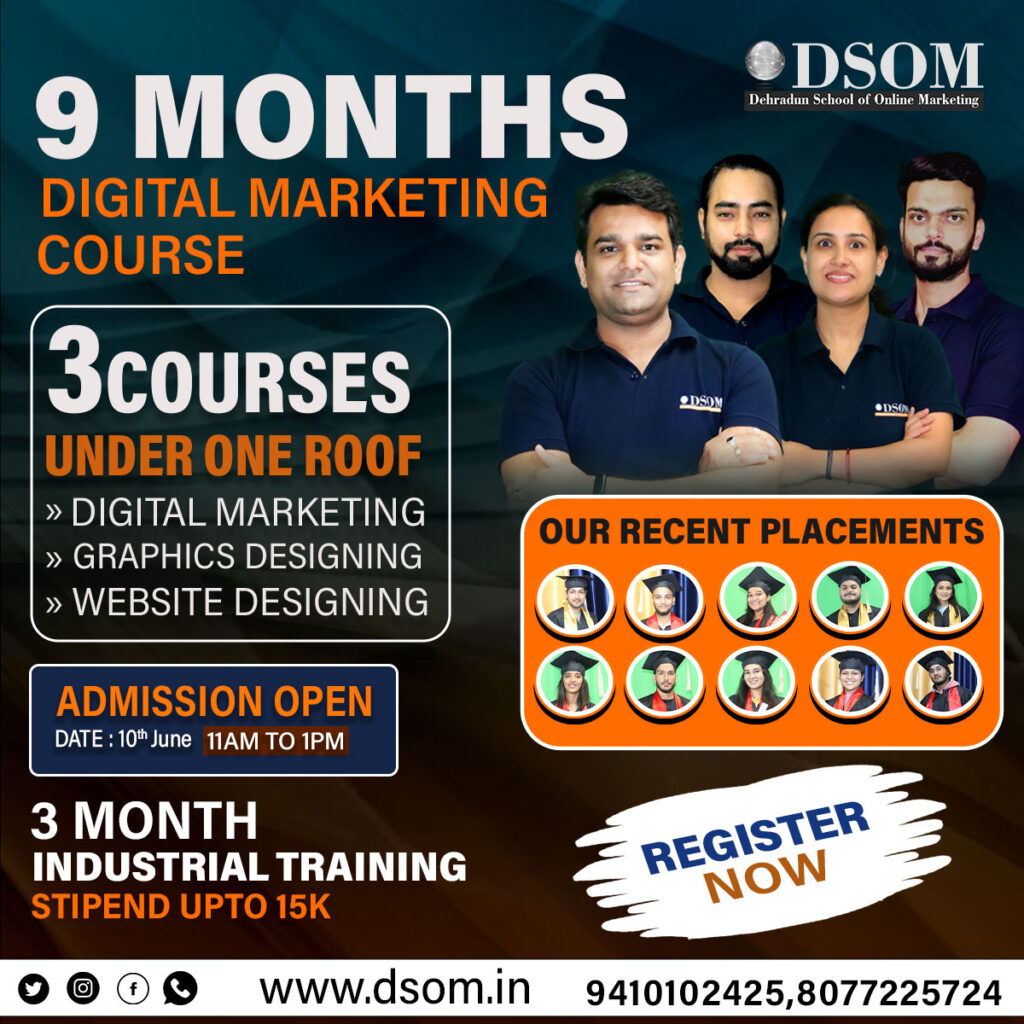
Launch Your Digital Career with DSOM’s Comprehensive 9-Month Program The digital world is booming, and with it, the demand for skilled digital marketing professionals. If you’re looking to launch a fulfilling career in this exciting field, the Dehradun School of Online Marketing’s (DSOM) 9-month digital marketing course could be your perfect stepping stone. More Than Just Marketing: A Well-Rounded Skillset This program goes beyond just teaching you the ins and outs of digital marketing. It equips you with a comprehensive skillset that will make you a valuable asset in the job market. Here’s what you’ll gain: Digital Marketing Mastery: Dive deep into SEO, SEM, social media marketing, content marketing, email marketing, and more. Learn to create and execute data-driven digital marketing campaigns that deliver results. Graphic Design Prowess: Unleash your creativity with Photoshop training. Master the tools and techniques to design stunning visuals that elevate your marketing efforts. Website Building Basics: Understand the fundamentals of website design using user-friendly platforms like WordPress. Learn to create functional and aesthetically pleasing websites. Communication Confidence: Hone your communication skills to become a clear and persuasive communicator. This includes written and verbal communication, essential for success in any digital role. Personality Development: DSOM focuses on more than just technical skills. This course helps you develop your interpersonal skills, confidence, and overall personality to thrive in a professional setting. Industry Ready with Internship and Stipend The program culminates in a 3-month industrial training placement. This real-world experience allows you to apply your learnings in a professional environment, gain valuable hands-on experience, and build your portfolio. What’s even better? You can earn a stipend of up to ₹15,000 per month during your internship! Why Choose DSOM? Here are just a few reasons why enrolling in DSOM’s 9-month program is a smart investment for your future: Comprehensive Curriculum: Get a holistic education that equips you with the skills and knowledge to succeed in the ever-evolving digital marketing landscape. Industry-Experienced Trainers: Learn from seasoned professionals who share their practical knowledge and insights. Focus on Practical Application: Gain hands-on experience through projects, assignments, and the final internship. Stipend Opportunity: Earn while you learn during your internship placement. Career Support: DSOM provides guidance and assistance with resume writing, interview preparation, and job placement. Take the First Step Towards Your Digital Dreams If you’re passionate about the digital world and eager to launch a rewarding career, DSOM’s 9-month program is the perfect launchpad. With its comprehensive curriculum, industry focus, and internship opportunities, this program will equip you with the skills and experience you need to stand out from the crowd. Visit DSOM’s website today to learn more and take the first step towards your digital marketing dreams!
5 ways to make money from home using AI (Artificial-Intelligence) in 2024
Introduction: In 2024 Artificial intelligence is transforming how people can make money by using this. As we know, we’re in a digital world and this should be changed in robotics and AI in the coming future. SO, it is essential to teach people how to use AI so they can earn money through AI at home. Automatic content production creating fresh content and enhancing e-commerce platforms. AI enables individuals’ businesses to streamline and boost the efficiency of their content. However, high-paying jobs are now changing to fully remote and AI-based. Professionals increasingly recognize that they don’t need any employee at the office or a single employer to achieve financial success. So, in these terms, every person who is familiar with the IT sector should know how to use AI and make money at home. Here are some ways to make money using AI AI-powered content creation: Automated writing and Editing: Some AI tools like ChatGPT, Gemini, and many more can generate high-quality content for blogs, articles, websites, or anything you want. Freelancers and content creator can enhance their content with just a click and these AI tools can do everything. With AI at their disposal, individuals and organizations can unlock new doors of creativity and efficiency in their writing endeavors. b. Video Editing and Image Generation: Some AI platforms like DALL-E and Midjourney allow users to create stunning and high-quality content as they want. With AI technologies at their fingertips, individuals can unlock new opportunities and possibilities for creating innovations and attractive storylines. 2. AI-powered Newsletter: The emergence of AI-powered newsletters marks a significant shift in how businesses and organizations can engage with their audience, and how can they make their content more efficient and creative, this can be a most powerful key to making your content creative and productive. Moreover, AI can help you in crafting weekly or monthly newsletters, it will save you time and allow you to create more efficient content and engage your audience. Creating a Newsletter can be a profitable venture with a high-based audience. Moreover, you can also incorporate hyperlinks and promote your products and services through this. AI-powered newsletters offer a powerful solution to deliver targeted and engaging contents that give results. 3. AI-powered copywrite: If you are working as a freelancer copywriter, either part-time or full-time, then you have to think of using Artificial Intelligence to boost your work, quality, and content. As a freelancer Copywriter, you can use AI tools to make your content processor easier by generating content outlines, this can be useful for you as a freelancer copywriter. 4. Print-on-demand: Print-on-demand is a very popular way to make money at home by using this. AI tools can help you out to generating high-quality content, catchy quotes, and attractive articles. You can use print-on-demand service to put this on items like mugs, t-shirts, pillows, bags, notebooks, and any other gift items. This little startup can help you to make money at home by using AI tools. 5. AI-Generated Artwork: Here is another way to make money at home by using AI tools. Tools like Midjourney can be very useful to create beautiful illustrations of nature. Floral arrangements, fruits, and other science-related images. This can be edited and can be sold on digital platforms like Esty. Additionally, It is important to ensure that you are creating high-quality and enhancing content and the accuracy of your digital artwork. AI-generated content sometimes has flaws, such as being unrealistic, excessive editing, and proportions. Which needs to be corrected. Winding Up: To conclude, Artificial Intelligence presents a plethora of opportunities for generating income across various industries at home by just using skills and some digital tricks. Integrating AI technologies into content creation, E-commerce, retail, healthcare, and business can enhance their operations and unlock new revenue-generating paths in 2024. One such use is that of leveraging AI tools and AI-powered software to make money. With just a few Google searches, you can easily find what you want and what type of content you want to create. As the traditional job market continues to evolve, these AI-driven avenues provide a path for individuals to thrive independently. Paving the way for a future where work can not be confined to the constraint of an office employer’s premises. In the coming future jobs can be eaten by robotics and AI. So, it is essential to know about Artificial intelligence, machine learning, and digital marketing so that in the future you have the option to earn by using these skills at home.