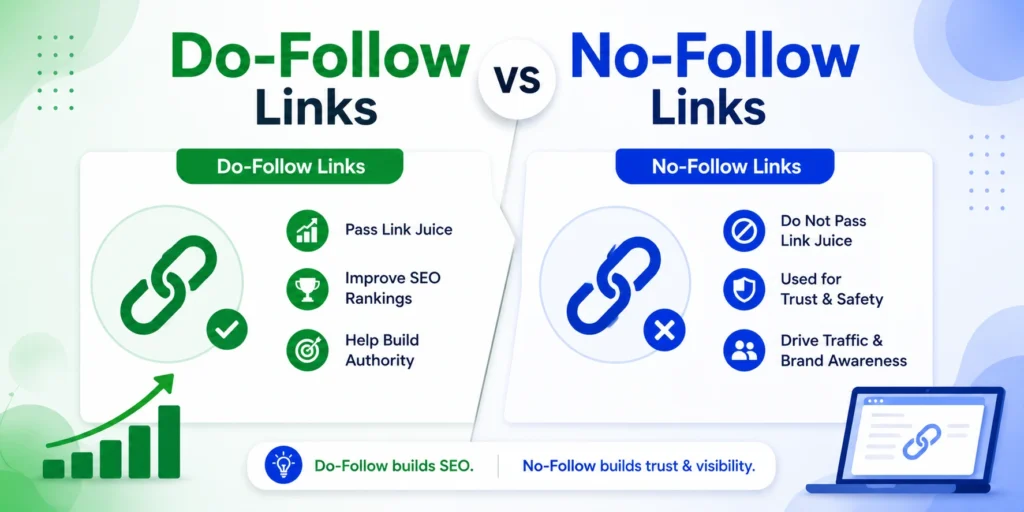
If you have been building backlinks without understanding the difference between do-follow vs no-follow links, there is a very real chance you have been misallocating time, effort, and budget. Do-follow vs no-follow link sit at the heart of how Google evaluates your website’s authority — and how much credit you actually receive for every external mention your brand earns.
Most marketers know the terms. Far fewer understand the nuance. This guide cuts through the confusion and gives you the full picture of do-follow vs no-follow links — what each one does technically, how they affect your SEO, what the real-world impact is on authority of domain and rankings, and how to build a link profile that genuinely moves the needle in 2026.
What Are Do-Follow Links?
A do-follow link (also written as dofollow link) is the default state of any hyperlink. When one website links to another without adding any restricting attribute, the link passes what SEO professionals call link equity — sometimes referred to as link juice — from the linking page to the destination page.
Key Definition: A do-follow link is any hyperlink that tells search engines to follow it, credit it, and pass authority from the source page to the destination page.
Here is what a standard dofollow link looks like in HTML:
<a href="https://yourwebsite.com">anchor text</a>No special attribute. No instruction to ignore. Google’s crawlers follow this link, index the destination, and count it as a vote of confidence for that page.
What Do-Follow Links Do for SEO:
- Pass link equity (PageRank) to the linked page
- Contribute directly to the destination site’s domain authority
- Signal to Google that the linked page is trustworthy and relevant
- Improve the linked page’s rankings over time
- Are the primary target of most link building strategies
What Are No-Follow Links?
A no-follow link (also written as nofollow link) includes the rel="nofollow" attribute in its HTML, which tells search engines: “I am linking to this page, but I am not vouching for it — do not pass ranking credit.”
Key Definition: A no-follow link instructs search engines not to pass links equity to the destination page. It does not contribute directly to PageRank or domain authority.
Here is what a nofollow link looks like in HTML:
<a href="https://yourwebsite.com" rel="nofollow">anchor text</a>

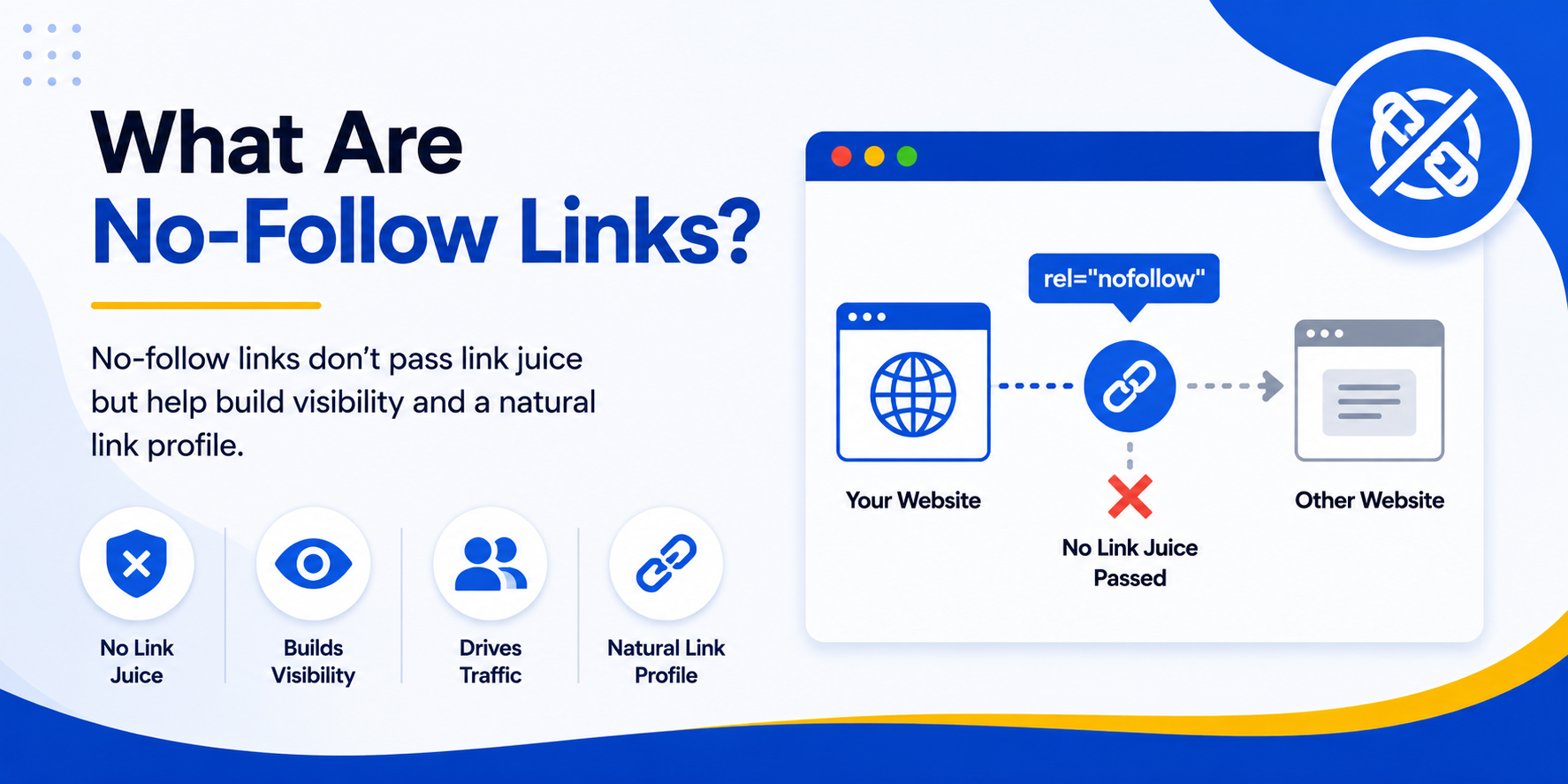
The nofollow attribute was introduced by Google in 2005 to combat comment spam and paid link manipulation. Before it existed, comment sections and forum posts were flooded with low-quality links because any link — no matter how spammy the source — passed ranking credit.
What No-Follow Links Do:
- Do not pass links equity directly
- Do not contribute directly to domain authority improvements
- Can still send referral traffic to your website
- Are counted as a hint by Google (not an absolute rule, since 2019)
- Help create a natural, diverse link profile
- Build brand visibility even without direct SEO credit
Do-Follow vs No-Follow Links: Side-by-Side Comparison
| Factor | Do-Follow Links | No-Follow Links |
|---|---|---|
| HTML Attribute | No special attribute (default) | rel="nofollow" |
| Link Equity Passed | Yes — directly improves rankings | No (treated as a hint since 2019) |
| Domain Authority Impact | Positive — builds DA over time | Minimal direct impact |
| Referral Traffic | Yes | Yes |
| SEO Value | High — primary goal of building links | Lower direct SEO value |
| Google Treatment | Followed, credited, indexed | Hint — may or may not follow |
| Best Sources | Editorial mentions, news sites, blogs | Wikipedia, social media, comments |
| Risk of Manipulation | Penalizable if bought/schemed | Lower risk |
| Natural Profile Need | Yes — should make up most quality links | Yes — natural mix signals authenticity |
The Two Additional Link Types You Need to Know
Since 2019, Google introduced two additional rel attributes that sit alongside nofollow in modern link building strategy.
Sponsored Links (rel="sponsored")
The rel="sponsored" attribute is used for paid or commercial links — advertisements, sponsored content, affiliate links, and paid placements. If you pay for a link placement, using rel="sponsored" keeps you within Google’s guidelines and prevents penalties associated with undisclosed paid links.
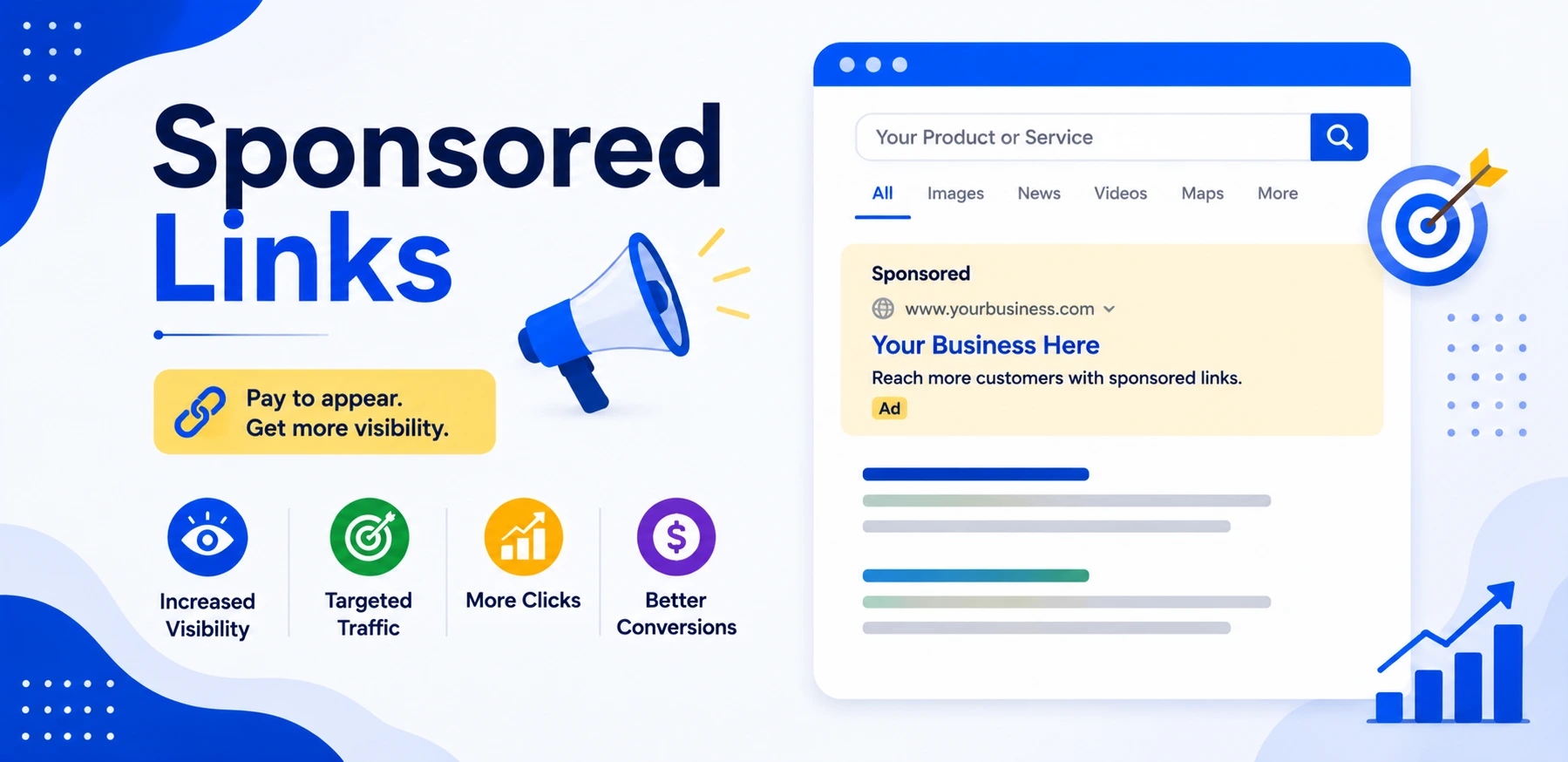
Important: Using a dofollow link for paid content without the sponsored attribute is a violation of Google’s link schemes policy and can result in manual penalties.
UGC Links (rel="ugc")
UGC stands for User Generated Content. The rel="ugc" attribute marks links posted by users in comments, forums, review platforms, and community discussions. These carry minimal SEO value because they require no editorial judgment from the hosting website — anyone can post them.
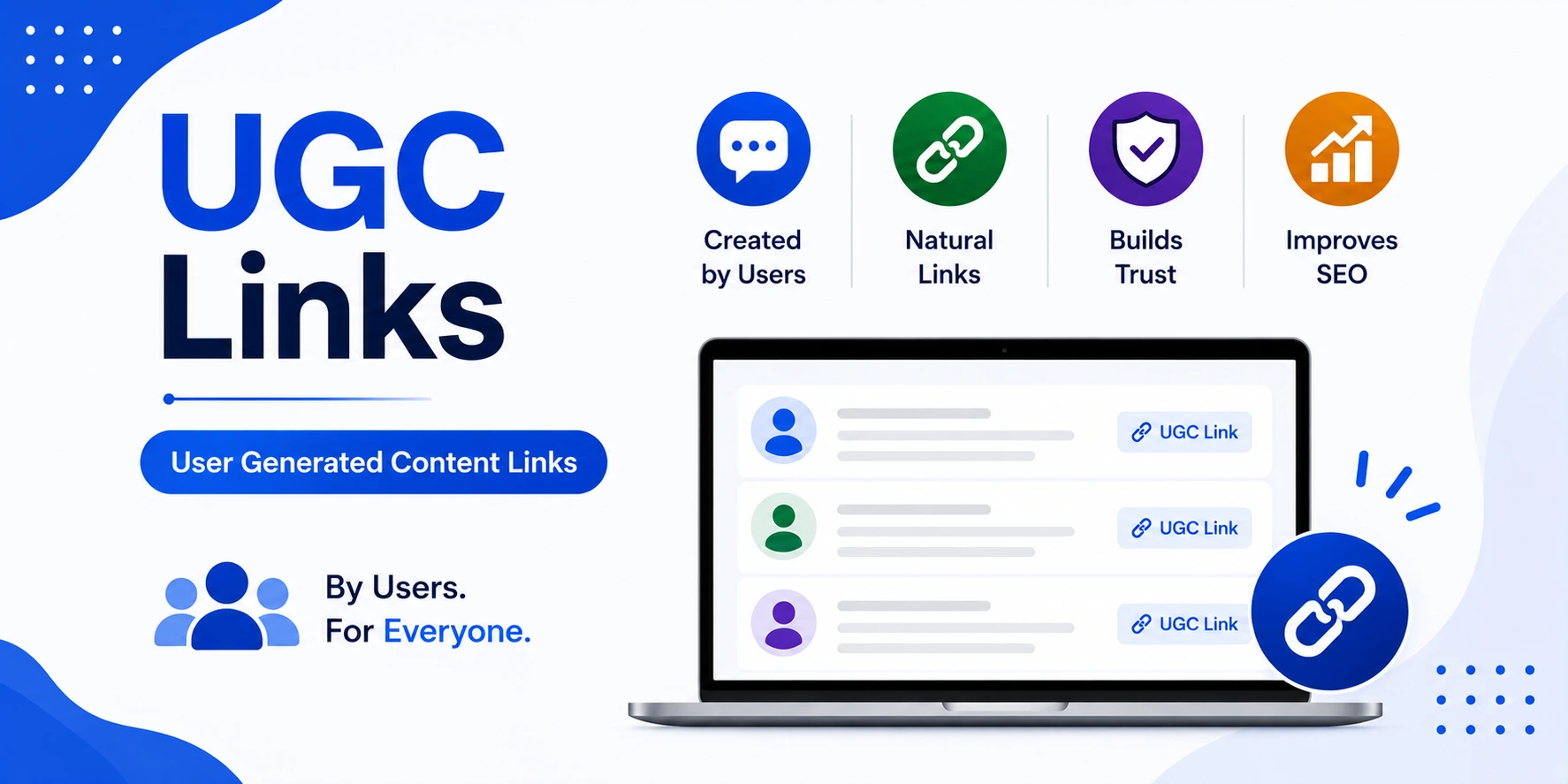
| Attribute | Use Case | SEO Value |
|---|---|---|
| None (dofollow) | Editorial, organic mentions | High |
| rel=”nofollow” | General uncertain links | Low–Medium hint |
| rel=”sponsored” | Paid placements, affiliate links | Declared, no penalty |
| rel=”ugc” | Comments, forums, user posts | Very Low |
Does No-Follow Really Have Zero SEO Value?
This is one of the most persistent myths in the do-follow vs no-follow conversation — and the answer in 2026 is more nuanced than a simple yes or no. Understanding this distinction is what separates informed link builders from those still treating do-follow and no-follow links as a binary good/bad choice.
In September 2019, Google announced that it would treat rel="nofollow" as a hint rather than a directive. This means Google may choose to follow a nofollow link and use it as a ranking signal — at its own discretion. The change was introduced because Google found value in understanding the full web of links, even those marked nofollow.
The Real-World Impact: Google still largely does not pass PageRank through nofollow links in most cases. But a nofollow link from a high-authority source — Wikipedia, a major news site, The Guardian, Forbes — still carries implicit trust signals, drives referral traffic, and contributes to brand entity recognition that can indirectly influence rankings.
Do not dismiss nofollow links entirely. A nofollow link from the BBC is more valuable for your brand than a dofollow link from an unrelated low-traffic blog.
Why Your Link Profile Needs Both Types
One of the biggest mistakes in building links is focusing exclusively on acquiring dofollow link and treating every nofollow mention as worthless. A backlink profile made up entirely of dofollow link is a red flag to Google — and understanding do-follow vs no-follow properly means recognizing why variety matters.
Key Insight: A natural link profile looks organic — it contains a mix of dofollow and nofollow links from diverse sources, anchor texts, and industries. Over-optimization in any direction triggers algorithmic scrutiny.
A website that earns genuine mentions across the internet will naturally acquire:
- Dofollow editorial links from blogs, news sites, and industry publications
- Nofollow link from social media profiles (Facebook, Twitter, LinkedIn, Pinterest)
- Nofollow link from Wikipedia citations
- Nofollow link from forum discussions and community answers
- UGC links from review platforms and user comments
- Sponsored links from affiliate content and paid features
This diversity is exactly what real brand authority looks like. Chasing only dofollow links and ignoring everything else creates an unnatural pattern that experienced SEO auditors — and Google’s algorithms — can identify.
How Do-Follow vs No-Follow Links Affect Domain Authority
When marketers ask about do-follow vs no-follow link, domain authority is usually their underlying concern. Authority of Domain is a metric (popularized by Moz, not an official Google metric) that estimates a website’s overall ranking strength based primarily on the quality and quantity of backlinks pointing to it.
Dofollow link have a direct, measurable impact on domain authority. Every high-quality dofollow link you earn from a reputable source pushes your domain authority higher — which in turn helps all pages on your site rank more easily over time.
Nofollow link have a limited direct impact on authority of domain metrics as calculated by tools like Moz, Ahrefs, and Semrush. However, they contribute to the overall health and naturalness of your link profile — which protects your site from algorithmic penalties while also contributing to brand entity signals that influence how Google perceives your domain overall.
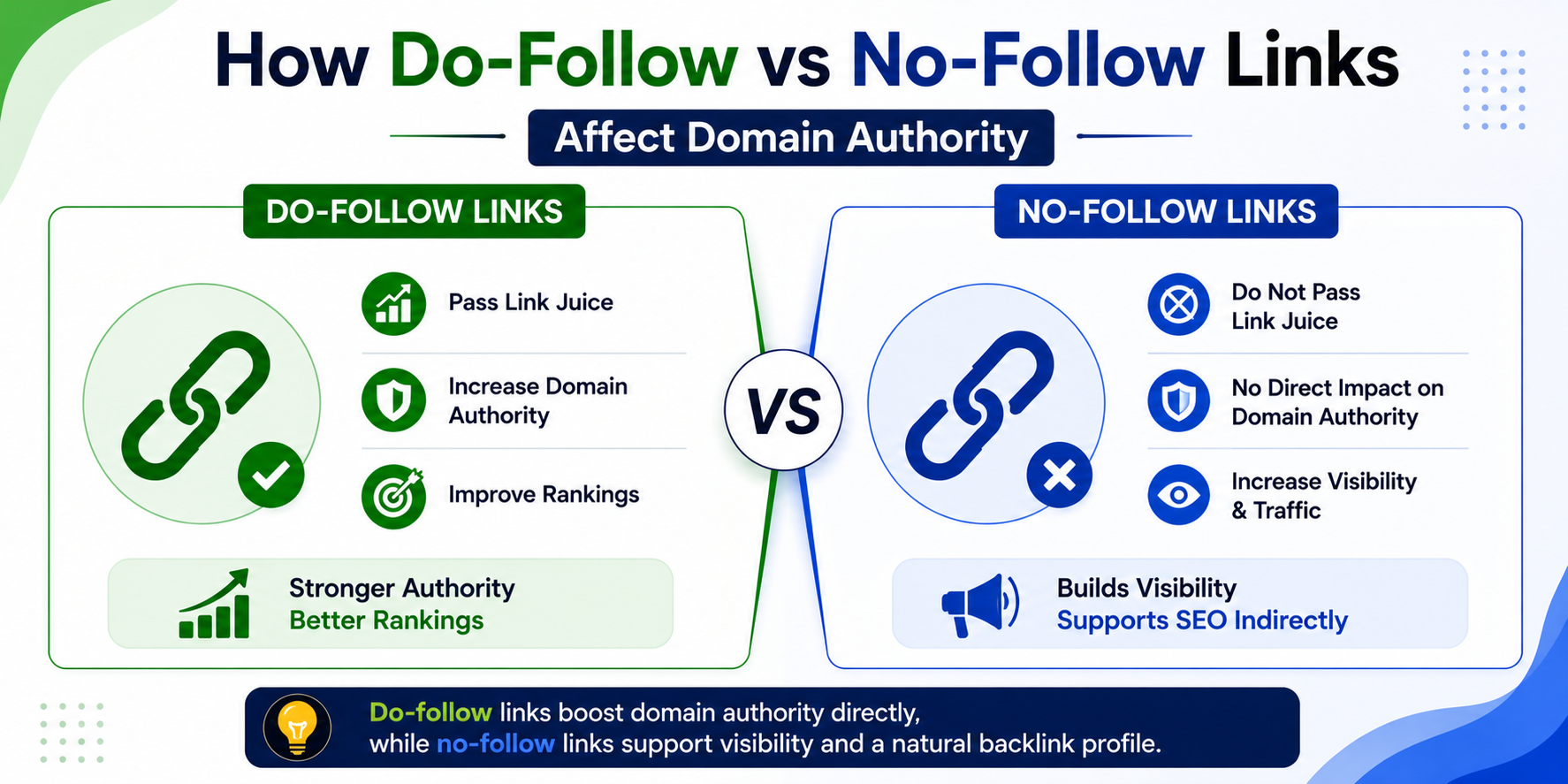
Practical Rule: Build primarily for dofollow link from authoritative, relevant sources. Welcome and count nofollow link from high-authority sites as valuable brand signals. Never purchase either type of link without proper disclosure.
Link Building Strategy: Building the Right Do-Follow vs No-Follow Links Mix
Understanding do-follow and no-follow links practically means building a link acquisition strategy that targets quality over quantity and diversity over uniformity.
Strategies to Earn Dofollow Links:
- Guest posting on reputable industry blogs and publications
- Digital PR — getting coverage in news outlets, trade press, and industry media
- Original research and data that other websites cite and reference
- Resource page link building — earning placement on “useful resources” pages in your niche
- Broken link building — finding broken links on quality sites and suggesting your content as a replacement
- Competitor backlink research — identifying where competitors earn links and replicating the strategy
Natural Sources of Nofollow Links:
- Social media profiles and posts
- Wikipedia citations (nofollow but high-authority signals)
- Forum contributions and community answers
- Blog comment sections
- Major news sites like BBC, Guardian, Forbes
- Online directories with nofollow policies
Do-Follow vs No-Follow Links: Common Mistakes to Avoid
Most penalties and ranking drops related to do-follow vs no-follow links come from avoidable mistakes. Here are the ones that cost sites the most:
| Mistake | Why It Hurts |
|---|---|
| Buying dofollow links | Violates Google guidelines — risks manual penalty and ranking drops |
| Ignoring all nofollow links | Leaves valuable brand signals and referral traffic uncaptured |
| Using dofollow for paid content | Undisclosed paid links are a Google policy violation |
| All links from same anchor text | Over-optimized anchor text is a manipulation signal |
| Linking from irrelevant domains | Relevance matters — an unrelated dofollow link carries less value |
| Not auditing toxic dofollow links | Spammy dofollow link can actively harm rankings |
Final Thoughts
The do-follow vs no-follow links debate is not really about which type is better — it is about understanding what each one does so you can build a link profile that earns real authority without triggering penalties or creating unnatural patterns. That is the complete do-follow vs no-follow links playbook — and it is what separates sites that rank consistently from those that plateau or get penalized trying to shortcut the process.
Focus your link building efforts on earning high-quality dofollow link from relevant, authoritative sources. At DSOM (Dehradun School of Online Marketing), students learn practical link-building strategies, backlink analysis, and real-world SEO techniques to build a strong and natural backlink profile.Welcome nofollow mentions as brand signals. Disclose all paid placements correctly. Audit your backlink profile regularly.
The Takeaway: Dofollow links build your rankings directly. Nofollow links build your brand presence and profile diversity. Both are necessary for a healthy, sustainable SEO strategy in 2026.