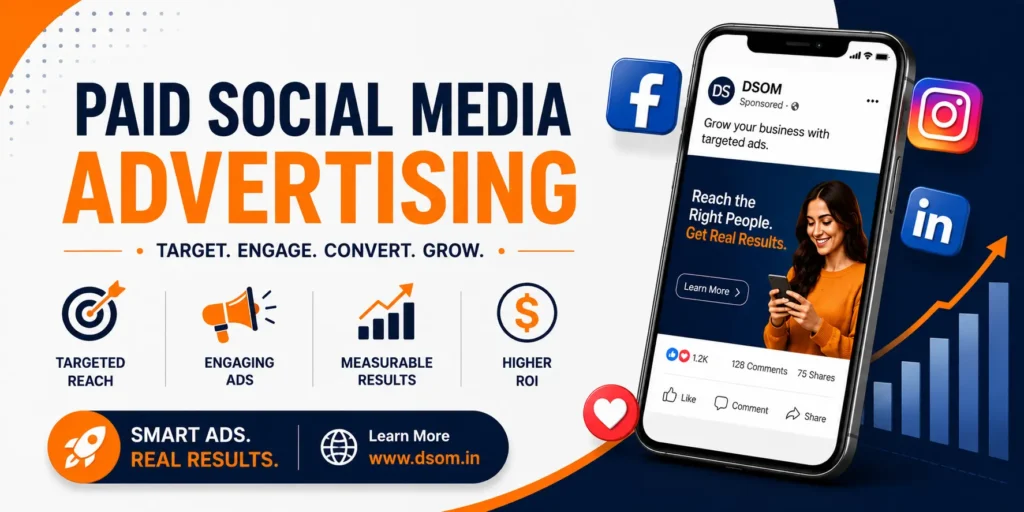
Posting for free and hoping the algorithm notices you is a slow, unreliable way to grow. Paid social media advertising removes that guesswork by putting your content directly in front of the exact people most likely to buy, click, or sign up. Done right, it turns a modest budget into predictable revenue. Done carelessly, it burns cash with almost nothing to show for it.
This guide walks through what actually works, the mistakes that quietly drain ad budgets, and how to build campaigns that pay for themselves instead of becoming an expensive experiment.
What Is Paid Social Media Advertising?
Paid social media advertising refers to any sponsored content — image ads, video ads, carousel ads, or boosted posts — that a business pays a platform to show to a specific audience. Unlike organic posts, which depend entirely on the algorithm and existing followers, paid ads guarantee visibility to whoever you target, whether they follow your page or not.
This is different from general social media marketing, which includes free content, community management, and organic growth. Paid advertising is the accelerator layer on top of that foundation — it doesn’t replace organic content, but it dramatically speeds up how fast the right people see it.
Why Paid Advertising Matters More Than Ever
Organic reach on most platforms has shrunk dramatically over the past few years. Algorithms increasingly favor paid content, meaning even a page with tens of thousands of followers might only reach a small fraction of them organically. Without a paid layer, a lot of good content simply never gets seen.
Here’s what happens when brands skip paid promotion entirely:
- Great content reaches only a tiny slice of the existing audience
- New customer acquisition slows down because discovery depends on luck
- Competitors running paid ads capture attention and market share first
- Growth becomes unpredictable instead of a repeatable, scalable process
- Sales teams get fewer qualified leads because top-of-funnel traffic stalls
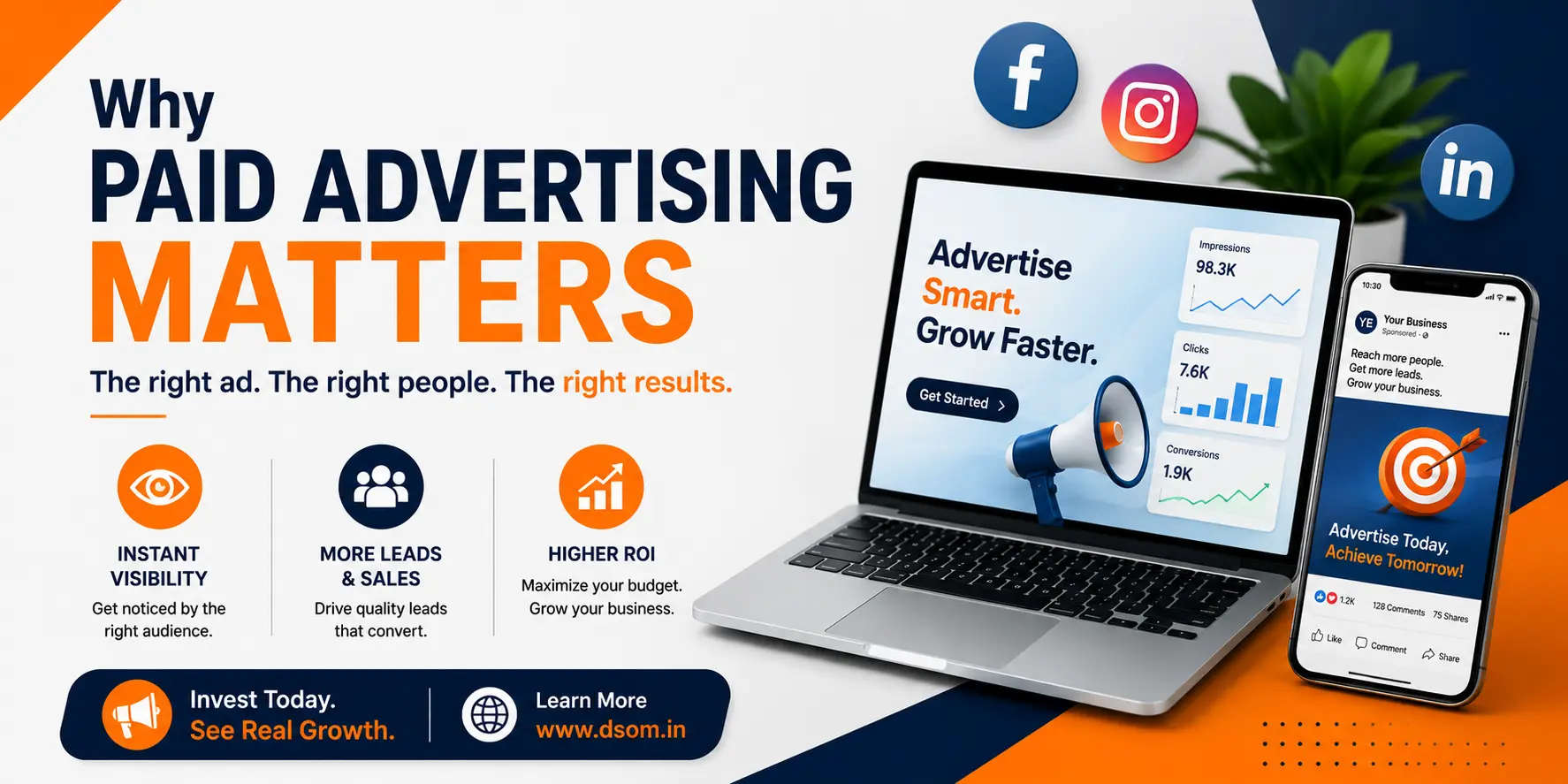
On the other hand, a well-managed social media advertising budget — even a small one — gives a business control over exactly who sees its message and when, instead of leaving everything up to chance. This is precisely why paid social media advertising has become a core part of nearly every modern growth plan, not an optional extra.
Core Elements of a Strong Paid Advertising Strategy
Before spending a single dollar, every paid social media advertising campaign needs these fundamentals in place. Skipping any of them is often the real reason a campaign underperforms.
| Element | Why It Matters | Quick Action |
|---|---|---|
| Clear Objective | Determines ad format and bidding strategy | Pick one goal: traffic, leads, or sales |
| Audience Targeting | Prevents wasted spend on the wrong people | Build a detailed audience persona |
| Ad Creative | Stops scroll-past and drives clicks | Test video, image, and carousel formats |
| Landing Page | Converts clicks into actual results | Match page message to the ad exactly |
| Budget Allocation | Avoids overspending on underperforming ads | Start small, scale what works |
| Performance Tracking | Shows what to keep and what to kill | Check metrics every 3–5 days |
A beautiful ad with no clear objective, or a great offer sent to a mismatched landing page, is one of the fastest ways to waste an entire month’s budget without realizing why.
How to Choose the Right Platform for Your Ad Budget
Not every platform suits every business, and spreading a small budget across five Social Media platforms usually performs worse than focusing it on one or two that actually reach your buyers.
Ask these questions before choosing where to spend:
- Where does my ideal customer actually spend time scrolling?
- Does this platform support the ad format my product needs — video, catalog, or lead forms?
- Can I realistically manage and optimize campaigns on more than one platform at once?
A local service business chasing nearby customers might get more from Facebook and Instagram ads, while a B2B company selling software will likely see stronger results from LinkedIn ads despite the higher cost per click. Spreading a limited ad budget too thin across unrelated platforms is one of the quietest ways paid social media advertising campaigns fail before they even get a fair chance.
Best Paid Social Media Advertising Strategies
1. Start With a Clear, Single Objective
Every strong paid social media advertising campaign begins with one specific goal — not five vague ones. Trying to drive traffic, leads, and sales all with the same ad usually confuses the algorithm and dilutes results. Pick one objective per campaign and let the platform optimize toward it.
2. Use Detailed Audience Targeting
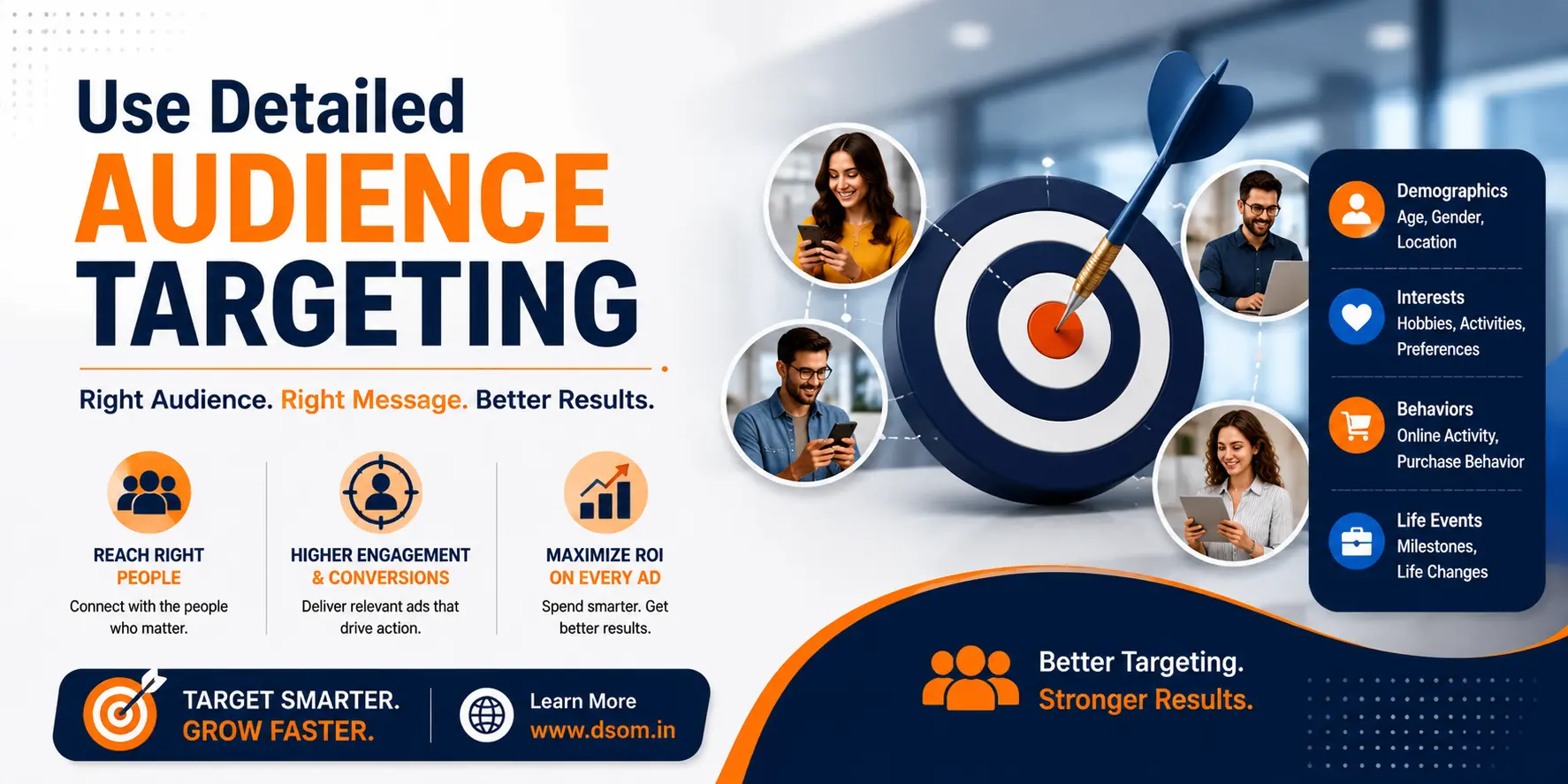
Broad targeting wastes money on people who will never convert. Layer in interests, behaviors, past website visitors, and lookalike audiences based on existing customers. Sharp ad targeting is often the single biggest factor separating a profitable campaign from a losing one.
3. Invest in Strong Creative, Not Just Budget
No amount of spend fixes a boring ad. Video consistently outperforms static images across most platforms, and ads that feel native to the platform — rather than obviously promotional — earn cheaper clicks. Testing multiple creative variations is far more valuable than simply increasing the daily budget.
4. Use Retargeting to Recover Lost Visitors
Most people don’t buy on their first visit. Retargeting ads shown to people who already visited your site or engaged with your content convert at a much higher rate than cold audience ads, because the audience already knows your brand.
5. Test Before You Scale
Launching a large budget on an untested ad is a common way to lose money fast. Run small test budgets across a few creative and audience combinations first, then scale only the winners. This single habit protects far more budget than any targeting trick.
6. Match the Landing Page to the Ad Promise
If an ad promises a discount and the landing page doesn’t mention it, conversion rates collapse instantly. Every ad campaign needs a landing page that continues the exact same message, offer, and tone the ad started.
7. Review and Optimize Weekly, Not Monthly
Waiting a full month to check performance means weeks of wasted spend on underperforming ads. Reviewing key numbers every few days lets you pause losers and shift budget toward winners while there’s still time to make a difference.
Platform-Wise Ad Format Snapshot
| Platform | Best Ad Format | Typical Use Case |
|---|---|---|
| Image, video, carousel | Local businesses, e-commerce | |
| Reels, Stories, carousel | Lifestyle brands, visual products | |
| Sponsored content, lead forms | B2B, professional services | |
| YouTube | Skippable and non-skippable video | Brand awareness, storytelling |
| TikTok | Native short video | Younger audiences, trend-driven brands |
| Standard and shopping pins | Home, fashion, evergreen products |
Common Mistakes That Quietly Drain Ad Budgets
Even experienced marketers fall into these traps, and each one silently eats away at return on investment.
- Targeting an audience too broad or too narrow to convert efficiently
- Running the same ad creative for months without refreshing it
- Ignoring frequency metrics until the audience becomes fatigued
- Sending traffic to a generic homepage instead of a matched landing page
- Scaling budget on an ad that hasn’t been properly tested first
- Never excluding existing customers from cold acquisition campaigns
Fixing even two or three of these habits often improves ROI more than any single new targeting tactic ever could, since most paid social media advertising budgets are lost to a handful of repeated, avoidable errors rather than one big mistake.
Budgeting Tips for Better Returns
Getting the most out of every dollar spent doesn’t require a massive budget — it requires discipline. Start with a modest daily spend, track cost per result closely, and resist the urge to judge a campaign after only a day or two of data. Most platforms need a short learning period before their algorithm finds the right audience efficiently.
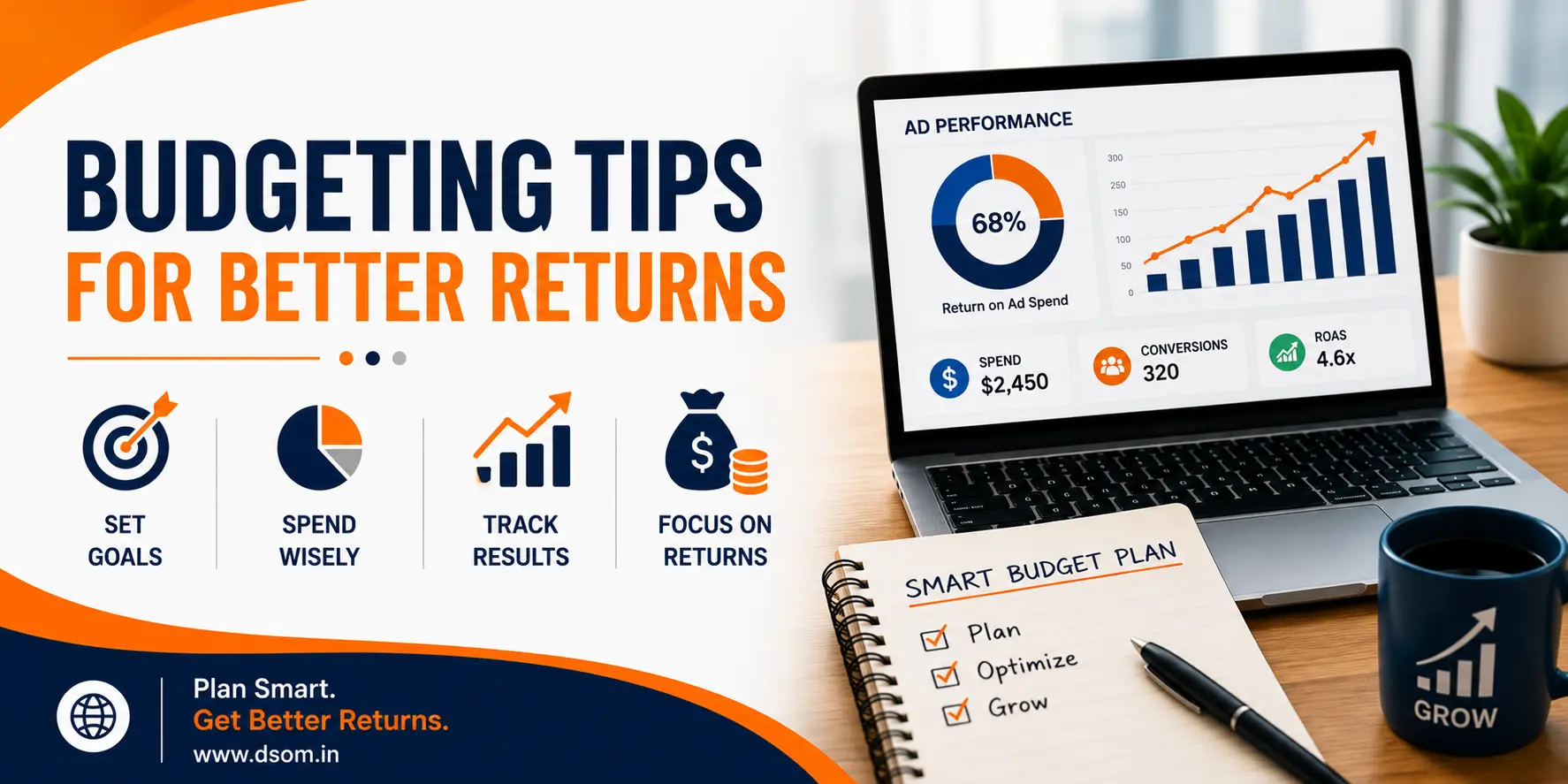
Set aside a portion of the budget purely for testing new creative and audiences, separate from the budget spent on proven winners. This keeps paid social media advertising campaigns fresh without risking the performance of what’s already working.
Measuring What Actually Matters
Impressions and reach look impressive on a report but rarely tell the full story. Instead, track:
- Cost per click and cost per result
- Return on ad spend (ROAS)
- Conversion rate from landing page visits
- Click-through rate as a signal of creative strength
- Customer acquisition cost compared to customer lifetime value
Reviewing these numbers regularly — not just glancing at follower growth — is what separates paid social media advertising campaigns that scale profitably from ones that quietly bleed money.
Bringing It All Together
There is no shortcut that guarantees instant results from paid promotion. What consistently works is disciplined testing, sharp audience targeting, strong creative, and honest performance reviews done often enough to catch problems early. Brands that treat paid social media advertising as an ongoing, data-driven process — rather than a one-time budget dump — see steadier growth and far less wasted spend than those who set a campaign live and forget about it.
Start with a small, focused budget, test before you scale, and let the numbers — not assumptions — decide where your money goes next.
Quick Recap: What Profitable Campaigns Have in Common
Across every account that scales profitably, the pattern is consistent. Successful paid social media advertising campaigns focus on clear goals, the right audience, engaging creatives, and regular performance tracking. DSOM (Dehradun School of Online Marketing) helps marketers learn these practical strategies to achieve better campaign results.
Brands that treat paid social media advertising as an ongoing process—not a one-time campaign—consistently see better returns. With the right skills and continuous optimization, as taught at DSOM, businesses can maximize their ad budget and drive long-term growth.