List of Forum Submission Sites in India 2026
What is Forum Submission? Forum submission is nothing but joining online discussions and debates to increase and share one’s Knowledge. Further it is also used in generating backlinks that can be the game changer in ranking business website. This technique comes under off-page technique in SEO. Knowing what is forum submission, will help you to build a bond with other forum members that can be beneficial for your website. It is a marketing methods to make good connections and create a positive reputation on the Internet. But today it has become only a back linking tool instead of sharing Knowledge. It is one of the oldest method of generating Backlinks. As technology has increased it has become more spammer due to people’s need of getting more and more backlinks Today most of the Forum submission sites has been stopped or nobody has posted anything on it in recent times, as it has somewhere lost its originality due to spammers. But yes there are some sites which are worth using and they have maintained their quality of Forum submission. What are the Benefits of Forum Submission? Now, you must be thinking what can be the benefits of forum submission. So, here are some benefits of Forum posting: It is a great way to build connections and reputation with the other members of the forum. It is an effective way to show your expertise in a particular niche. By Forum posting, you can solve several serious problems of you colleagues and once you prove your ability it increase your importance in that group. This is a great way to increase traffic on your blogs. Many bloggers actively engage themselves in these discussions to divert readers to their blogs. Forum posting can help you generate traffic which will further generate leads to your services. It is a great platform for discussion and increase your Knowledge. It is free and need little effort to promote your small business. To make connections it is a great platform. You can also get backlinks for high domain authority sites if posted on relevant sites. Some High authority sites are career360.com and quora.com to get backlinks by questioning and answering. Things to remember before doing Forum Submission on Forum Posting Sites There are a number of things that you should remember before doing forum posting/submissions on forum submission/posting sites. Use your real name and other details for forum identification Use a real profile picture for your personal account. Be up to date with fresh questions in the forums sites. Ask relevant questions on a regular basis. Do not try to get backlink from every question. If you will keep these factors in mind, then you can receive some good quality backlinks from top SEO forum posting sites. Why are Forums Posting Sites/Forum Submission Sites so Important? Forum posting sites or forum submission sites are used by business owners to increase their brand awareness and existence. And Forum submission is one of the best way to socialize your brand with people on a regular basis. If done properly than forum posting can play the role of Ace for your business. Conclusion: There are numerous benefits for a bloggers to learn what is forum submission in SEO. This method can increase the number of visitors to your website. Forum submission is a powerful backlink creator too. Here is the list of some Forum submission sites/ forum posting site: https://www.casinopromote.co.uk/ https://forums.digitalpoint.com/ https://www.ozzu.com/ https://www.warriorforum.com/ https://localsearchforum.com/ http://forum.seopanel.in/ https://forum.wordreference.com/ https://www.snopes.com/support/ https://forum.maxthon.com/ http://forums.mozillazine.org/ https://discourse.omnigroup.com/ https://www.phpbb-fr.com/forums/ https://www.whatismyip.com/ https://forum.framasoft.org/ https://forums.futura-sciences.com/ https://forum.parallels.com/ https://ubuntuforums.org/ https://www.gardenstew.com/ https://www.informatechtarget.com/technologyguide/ https://forums.afterdawn.com/ https://forum.phpwcms.org/ https://www.testfreaks.com/ https://forums.debian.net// http://forum.qarbon.com/ http://www.phinished.org/ http://www.inkscapeforum.com/ https://siteownersforums.com/ https://forums.hostsearch.com/ https://www.ewebdiscussion.com/ https://www.warriorforum.com/ https://small-business-forum.com/ http://forum.submitexpress.com/ http://www.imtalk.org/ https://community.mybb.com/ http://forums.powerhoster.com/ https://community.infosecinstitute.com/ https://flagcounter.boardhost.com/ https://forum.wpde.org/ https://forum.winehq.org/ https://whmcs.community/ https://forum.kaspersky.com/ https://forum.cmsmadesimple.org/ https://forum.audacityteam.org/ https://forum.purseblog.com/ https://forum.cyclinguk.org/ https://sailingforums.com/
How Artificial Intelligence is Revolutionizing Graphic Design
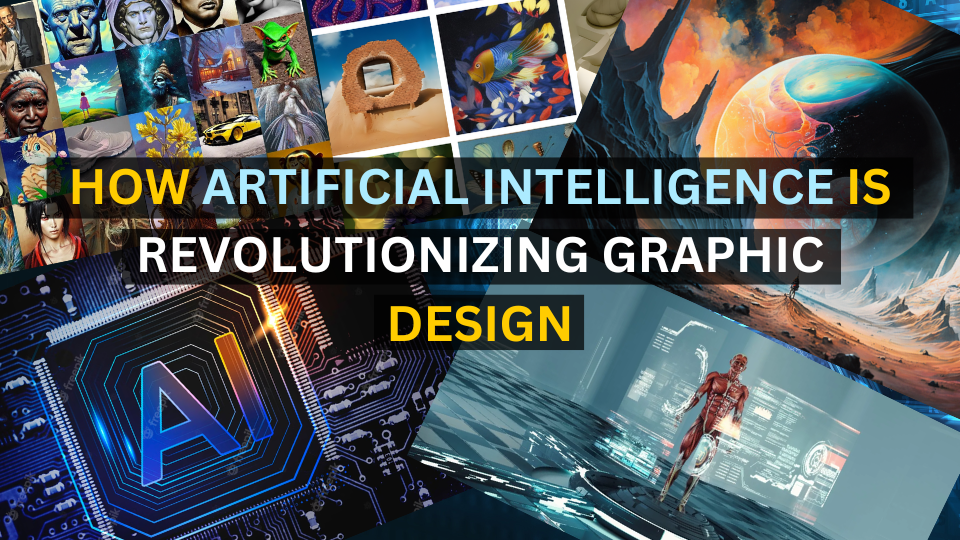
When Creativity Meets Code In today’s rapidly evolving digital landscape, the worlds of art and technology are colliding in spectacular ways. At the intersection of creativity and innovation lies a captivating partnership: Artificial Intelligence (AI) and Graphic Design. In this blog, we’ll explore the exciting ways AI is transforming the graphic design landscape, unleashing a new realm of possibilities. The Creative Revolution The realm of graphic design has undergone a monumental transformation, with Artificial Intelligence (AI) playing a pivotal role in this creative revolution. Let’s delve into the ways AI is reshaping graphic design: 1.Efficiency Unleashed Gone are the days of painstakingly repetitive tasks such as resizing images or choosing color palettes. AI-powered design tools are the ultimate efficiency boosters, allowing designers to focus on the artistry itself. Example: Adobe Photoshop’s AI-powered “Generative Fill” allows designers to expand images, remove objects, or add new elements with a single prompt. Canva Magic Resize automatically resizes a single design for Instagram, Facebook, LinkedIn, and YouTube in seconds. This newfound efficiency is a game-changer, enabling designers to work faster and more creatively. 2.Designing with Data Artificial Intelligence (AI) has an insatiable appetite for data. It can analyze vast amounts of information about user preferences, market trends, and competitor strategies. Armed with this knowledge, designers can create designs that are not just visually appealing but strategically aligned with their target audience. Example: Netflix uses AI to test different thumbnail designs for the same show. Each user may see a different poster image based on viewing history and preferences. A/B testing tools like Google Optimize suggest which design layout performs better based on real user interaction data. Designs are no longer just beautiful—they’re strategic and results-driven 3.Hyper-Personalization Personalization is the holy grail of effective design. Artificial Intelligence (AI) takes this to the next level. By analyzing user behavior and preferences, AI can create personalized designs that speak directly to the individual. Imagine a website that adapts its layout and imagery to each visitor’s unique tastes. Example: Spotify Wrapped uses AI to generate personalized visuals, colors, and typography for each user based on their listening habits. E-commerce websites dynamically change banners, product images, and CTA designs depending on user behavior. This level of personalization builds stronger emotional connections and increases engagement. 4.Generative Art: AI as the Artist AI isn’t just a tool; it’s an artist in its own right. The emerging field of generative art is fueled by AI algorithms that produce mesmerizing, unexpected designs. These AI-generated masterpieces often challenge our traditional notions of artistry, introducing new concepts of beauty and creativity. Example: Midjourney, DALL·E, and Stable Diffusion can generate detailed illustrations, posters, and concept art from text prompts. Brands are now using AI-generated visuals for album covers, fashion concepts, and campaign artwork. These tools push creative boundaries and inspire entirely new visual styles. 5. Collaboration, Not Competition Contrary to the fear that Artificial Intelligence (AI) might replace designers, it’s actually becoming their creative partner. Designers can harness AI as a collaborator, brainstorming ideas and exploring innovative design directions that they might not have considered otherwise. Example: Designers use ChatGPT to brainstorm campaign ideas or write creative briefs. Adobe Sensei suggests font pairings, layout improvements, and color corrections while the designer remains in control. Artificial Intelligence (AI) acts like a creative assistant—supporting, not replacing, human creativity. The AI Design Process To understand how AI integrates into graphic design, let’s break down the process: Data Gathering: AI collects and analyzes data on design trends, user preferences, and market insights. Conceptualization: AI suggests design concepts, typography, and color palettes based on the gathered data. Prototyping: It generates design prototypes rapidly, allowing designers to explore multiple creative directions. Feedback Loop: Through user interactions and feedback, AI continually learns and refines its design suggestions. Production: Mundane tasks like resizing graphics are automated, saving time and effort. Personalization: AI tailors designs for specific users or target demographics, enhancing user engagement. The Future of AI-Driven Graphic Design The future holds exciting possibilities: 1.Hyper-Personalization: Designs will become more tailored to individual preferences, creating a stronger emotional connection between brands and consumers. 2.Dynamic Design: Imagine websites and apps that adapt their design in real-time based on user behavior and preferences, providing a truly personalized experience. 3.Augmented Creativity: AI will serve as a creative partner, suggesting innovative design directions and pushing the boundaries of human creativity. 4.Ethical Considerations: With great power comes great responsibility. As Artificial Intelligence (AI) continues to evolve, it’s crucial to address ethical considerations. Questions about job displacement in the design industry and concerns related to data privacy must be carefully examined and navigated. Conclusion The fusion of Artificial Intelligence and graphic design is not a threat—it is a creative breakthrough. Designers are no longer limited by manual processes or time constraints. With AI as a muse, collaborator, and creative partner, the future of graphic design becomes limitless. Artificial Intelligence (AI) doesn’t replace designers—it empowers them.And in this new era, creativity has no boundaries.
Essential Typography Rules Every Designer Should Master
Introduction Typography is one of the most powerful elements of design. When used correctly, it enhances readability, strengthens visual hierarchy, and elevates the overall impact of a design. Whether you are a beginner or an experienced designer, mastering typography rules is essential for creating effective and visually appealing designs. Below are the most important typography principles every designer should follow: 1. Readability Comes First Always prioritize readability. Choose fonts that are easy to read across different devices and screen sizes. Avoid overly decorative fonts for long text and ensure proper font size for comfortable reading. 2. Choose the Right Font Every font carries a personality and emotion. Select fonts that match the purpose, mood, and tone of your design. For example, serif fonts often feel formal and traditional, while sans-serif fonts appear modern and clean. 3. Maintain Consistency Consistency in font type, size, weight, and spacing creates a professional and polished look. Avoid unnecessary variations that can distract the viewer. 4. Pay Attention to Spacing Proper spacing improves both readability and aesthetics. Focus on: Letter spacing (kerning) Word spacing Line spacing (leading) Well-spaced text feels balanced and easy on the eyes. 5. Align Your Text Properly Use text alignment intentionally—left, center, or right—based on the design’s structure and purpose. Consistent alignment creates visual order and clarity. 6. Use Visual Hierarchy Typography hierarchy guides the reader’s attention. Use variations in font size, weight, and style to distinguish headings, subheadings, and body text. 7. Limit the Number of Fonts Using too many fonts can make a design look cluttered. Stick to a maximum of two to three fonts per design to maintain harmony. 8. Ensure Strong Contrast Good contrast between text and background is crucial for readability. Dark text on a light background or light text on a dark background works best. 9. Pair Fonts Thoughtfully Choose fonts that complement each other. A common and effective combination is pairing a serif font with a sans-serif font for balance and contrast. 10. Avoid Excessive Capitalization Too much capitalization reduces readability. Use capital letters mainly for headings, acronyms, or emphasis. 11. Use Proper Grammar and Punctuation Errors in grammar or punctuation can reduce the credibility and professionalism of your design. Always proofread your content. 12. Control Line Length Avoid lines that are too long or too short. The ideal line length for readability is typically 50–75 characters per line. 13. Use a Grid System Grids help organize content and create balance. Grid-based layouts bring structure, consistency, and visual harmony to typography. 14. Experiment with Font Combinations Don’t be afraid to explore new font pairings. Experimentation helps you develop a stronger sense of typography and design aesthetics. 15. Use White Space Effectively White space (negative space) improves readability and helps important content stand out. Crowded text can overwhelm users. 16. Consider Cultural Context Fonts can carry cultural meanings. Be mindful of how typography may be interpreted in different regions or contexts. 17. Never Stretch or Distort Fonts Avoid stretching, squashing, or distorting fonts to fit spaces. This damages legibility and the integrity of the typeface. 18. Stay Updated with Typography Trends Typography trends evolve. Staying updated helps keep your designs modern, relevant, and visually engaging. 19. Understand Typography Psychology Typography influences emotions and perception. Understanding font psychology allows designers to communicate messages more effectively and connect with audiences on a deeper level. 20. Practice Regularly Typography is a skill that improves with practice. Experiment with layouts, font styles, and spacing to sharpen your design sense. Conclusion Great typography is not just about making text look attractive—it’s about communicating clearly and effectively. By following these typography rules, you can create designs that are visually appealing, professional, and impactful. Master typography, and your designs will speak louder than words.
Top 10 Best Graphic Designing Hacks
Graphic designing is a challenging and creative field that requires a lot of skills, knowledge, and innovation. As a graphic designer, you need to be able to produce high-quality designs that stand out from the competition and meet the needs of your clients. Graphic design is a powerful tool for conveying messages, capturing attention, and creating visual experiences. Whether you’re a professional designer or someone with a passion for creativity, incorporating a few design hacks can significantly enhance your skills and productivity. In this article, we’ll explore seven of the best graphic designing hacks that will help you unleash your creativity and take your designs to the next level. 1.Keep it simple One of the most important best graphic designing hacks is to keep it simple. A cluttered design can be overwhelming and difficult to read. Instead, focus on creating a simple, clean design that is easy to understand and visually appealing. 2.Use high-quality images Images are an essential part of graphic design, and using high-quality images can make a big difference in the overall look and feel of your designs. Use high-resolution images and make sure they are properly sized and optimized for the web or print. 3.Choose the right fonts Fonts are another important aspect of graphic design, and choosing the right font can make a big difference in the overall look and feel of your designs. Use fonts that are easy to read and appropriate for the tone and style of your design. 4.Use color strategically Color is a powerful tool in graphic design, and using it strategically can help your designs stand out. Use color to create contrast, highlight important elements, and evoke emotion. 5.Pay attention to spacing Spacing is an often-overlooked aspect of graphic design, but it can have a big impact on the overall look and feel of your designs. Make sure there is enough space between elements to create a clean, organized design. 6.Use grids and guides Grids and guides can be a helpful tool in graphic design, especially when it comes to creating layouts. Use grids and guides to ensure that elements are properly aligned and spaced, and to create a cohesive design. 7.Experiment and have fun One of the best graphic designing hacks is to experiment and have fun. Don’t be afraid to try new things and explore different styles and techniques. Graphic design is a creative field, and the more you experiment, the more you will learn and grow as a designer. 8.Use contrast to create visual interest Contrast is a powerful tool in graphic design, and using it can help create visual interest and draw attention to important elements. Use contrast in color, size, and shape to create a dynamic design. 9.Use negative space Negative space, also known as white space, can be a powerful tool in graphic design. Use negative space to create a clean, uncluttered design that draws attention to important elements. 10.Get feedback and make revisions Finally, one of the best graphic designing hacks is to get feedback and make revisions. Show your designs to others and get their feedback, and use that feedback to make revisions and improve your designs. In conclusion, these ten best graphic designing hacks can help you produce better designs that stand out from the competition and meet the needs of your clients. By keeping it simple, using high-quality images, choosing the right fonts, using color strategically, paying attention to spacing, using grids and guides, experimenting and having fun, using contrast to create visual interest, using negative space, and getting feedback and making revisions, you can take your graphic design skills to the next level.
Graduation के बाद Digital Marketing क्यों है Best Career Option? | Career Guide | 2026
प्रस्तावना आज की दुनिया तेज़ी से डिजिटल हो रही है। मोबाइल, इंटरनेट और सोशल मीडिया ने न केवल हमारे जीने का तरीका बदला है, बल्कि करियर के नए रास्ते भी खोले हैं। ऐसे समय में Graduation के बाद Digital Marketing एक ऐसा करियर विकल्प बन चुका है जो कम समय में स्किल, जॉब और ग्रोथ—तीनों देता है। ग्रेजुएशन पूरा करने के बाद जब अधिकतर स्टूडेंट्स कन्फ्यूज़ रहते हैं कि आगे क्या करें, वहीं Career in Digital Marketing एक ऐसा विकल्प बनकर उभरा है जो कम समय में स्किल्स, जॉब और ग्रोथ—तीनों देता है। इस ब्लॉग में हम विस्तार से जानेंगे कि Graduation के बाद Digital Marketing क्यों सबसे अच्छा करियर विकल्प है, इसके फायदे क्या हैं और इसमें कौन-कौन से करियर ऑप्शन मौजूद हैं। डिजिटल मार्केटिंग क्या है? Digital Marketing एक ऐसी मार्केटिंग प्रोसेस है जिसमें प्रोडक्ट्स और सर्विसेज़ को ऑनलाइन प्लेटफॉर्म्स जैसे— Google Social Media (Facebook, Instagram, LinkedIn) Websites Email Mobile Apps के ज़रिए प्रमोट किया जाता है। Traditional Marketing (टीवी, रेडियो, अख़बार) की तुलना में Digital Marketing कम बजट में ज़्यादा रिज़ल्ट देता है और टार्गेट ऑडियंस तक सीधी पहुँच बनाता है। Graduation के बाद Digital Marketing क्यों चुनें? 1. करियर ऑपर्च्युनिटी की कोई कमी नहीं आज हर बिज़नेस—छोटा हो या बड़ा—ऑनलाइन प्रमोशन चाहता है। इसलिए Digital Marketing Professionals की डिमांड लगातार बढ़ रही है। 2. कम इन्वेस्टमेंट, ज़्यादा रिटर्न Digital Marketing सीखने के लिए न तो महंगी डिग्री चाहिए और न ही सालों का समय। 3–6 महीने में आप जॉब-रेडी स्किल्स सीख सकते हैं। 3. Job + Freelancing दोनों का मौका आप चाहें तो कंपनी में जॉब कर सकते हैं या फिर घर बैठे Freelancing और Remote Work भी कर सकते हैं। 4. भारत ही नहीं, इंटरनेशनल स्कोप Digital Marketing एक Global Skill है। आप विदेशों के क्लाइंट्स के साथ भी काम कर सकते हैं। Graduation के बाद Digital Marketing सीखने के फायदे (a) Multiple Skill Development Digital Marketing सीखने के बाद आप इन-डिमांड स्किल्स में माहिर हो जाते हैं: SEO (Search Engine Optimization) Social Media Marketing Google Ads & PPC Content Writing Email Marketing Analytics & Reporting (b) Attractive Salary Packages Graduation के बाद जहाँ शुरुआती जॉब में सैलरी कम मिलती है, वहीं Digital Marketing में फ्रेशर्स भी: ₹20,000 – ₹40,000 / month से शुरुआत 1–2 साल में ₹6–8 LPA तक कमा सकते हैं। (c) Entrepreneurship का मौका अगर आप खुद का बिज़नेस शुरू करना चाहते हैं, तो Digital Marketing आपको बिना किसी बिचौलिए के अपने कस्टमर तक पहुँचने की ताकत देता है। (d) Career Security आने वाले समय में डिजिटल स्किल्स के बिना करियर सुरक्षित नहीं रहेगा। Digital Marketing आपको Future-Ready बनाता है। भारत में Digital Marketing का भविष्य भारत दुनिया के सबसे तेज़ी से बढ़ते डिजिटल मार्केट्स में से एक है। 80+ करोड़ Internet Users E-commerce और Startups की तेज़ ग्रोथ Government का Digital India Mission इन सब कारणों से Graduation के बाद Digital Marketing in India का scope आने वाले वर्षों में और भी बढ़ने वाला है। Digital Marketing के प्रमुख करियर रोल्स 1. SEO Specialist (SEO स्पेशलिस्ट) वेबसाइट को Google में Top Ranking दिलाना Keyword Research, On-Page & Off-Page SEO Link Building और Technical SEO 2. Content Writer / Copywriter Blogs, Articles, Website Content लिखना SEO-Friendly और Conversion-Based Content तैयार करना Brand Storytelling 3. Social Media Manager Facebook, Instagram, LinkedIn जैसे प्लेटफॉर्म मैनेज करना Content Calendar और Campaign Planning Engagement और Brand Awareness बढ़ाना 4. PPC Specialist (Pay-Per-Click Expert) Google Ads और Social Media Ads चलाना Paid Campaigns से Leads और Sales बढ़ाना Budget Optimization और ROI Tracking 5. Digital Marketing Manager पूरी Digital Strategy बनाना टीम को लीड करना Business Growth और Online Revenue बढ़ाना Graduation के बाद Digital Marketing किसके लिए Best है? B.Com / BBA / BCA / BA / B.Sc. स्टूडेंट्स MBA Aspirants Job Seekers Entrepreneurs Housewives & Working Professionals Digital Marketing Course करते समय क्या ध्यान रखें? Practical Training Live Projects Internship / Placement Support Updated Tools (SEO, Ads, AI Tools) Industry-Experienced Trainers निष्कर्ष (Conclusion) अगर आप ग्रेजुएशन के बाद एक ऐसा करियर चाहते हैं जिसमें तेज़ ग्रोथ हो, अच्छी सैलरी हो फ्रीडम और फ्लेक्सिबिलिटी हो और Future Secure हो तो Graduation के बाद Digital Marketing आपके लिए सबसे बेहतरीन विकल्प है। आज सही समय है Digital Skills सीखने का—क्योंकि डिजिटल दुनिया में वही आगे बढ़ेगा जो डिजिटल को समझेगा।
Avoid 10 mistakes during Logo Design
What is Logo Design? Logo design is an major part of branding and marketing . A logo represents a company and its values, and it is often the first impression that potential customers get of a business. Therefore, it is crucial to create a logo that is memorable, visually appealing, and accurately represents the company. However, there are common mistakes that designers make when creating logos. In this article, we will discuss ten mistakes to avoid in logo design. 1.Using too many colors: One of the most common mistakes in logo design is using too many colors. A logo should be simple and easily recognize by anyone. Using various types of colors can make the logo look cluttered and confusing. It is best to use no more than three colors in a logo design. 2.Using clip art: Another mistake in logo is using clip art or stock images. A logo should be unique and represent the company’s values. Using clip art or stock images can make the logo look generic and unoriginal. It is best to create a custom logo that is unique to the company. 3.Using trendy fonts: Using trendy fonts in a logo design is another common mistake. While trendy fonts may look good now, they may become outdated quickly. It is best to use a font that is timeless and easy to read. 4.Not considering scalability: A logo should be scalable, meaning it should look good at any size. If a logo is not scalable, it may become distorted or pixilated when it is resized. It is important to consider scalability when creating a logo. 5.Not considering the target audience: Another mistake in logo design is not considering the target audience. A logo should be designed in that way which can easily target the audience. For example, a logo for a children’s toy company should be colorful and playful, while a logo for a law firm should be professional and simple. 6.Copying other logo: Copying other logos is a common mistake in logo design. While it may be tempting to use a similar design to a successful company, it is best to create a unique logo that represents the company’s values. 7.Using too many effects: Using too many effects in a logo design is another mistake. Effects such as shadows, gradients, and bevels can make a logo look outdated and cluttered. It is best to keep a logo design simple and easy to recognize. 8.Not testing the logo: Not testing the logo is another common mistake. A logo should be tested on different backgrounds and sizes to ensure that it looks good in any situation. It is important to test the logo before it is finalized. 9.Not considering the company’s values: Not considering the company’s values is another mistake in logo design. A logo should accurately represent the company’s values and mission. It is important to consider the company’s values when creating a logo. 10.Not hiring a professional: Not hiring a professional is another common mistake in logo design. While it may be tempting to create a logo on your own, it is best to hire a professional designer who has experience in logo design. A professional designer can create a logo that a exactly represents the company and its values. Logo design is an important part of branding and marketing. It is important to avoid common mistakes in logo design, such as using too many colors, using clip art, using trendy fonts, not considering scalability, not considering the target audience, copying other logos, using too many effects, not testing the logo, not considering the company’s values, and not hiring a professional. By avoiding these mistakes, a logo can accurately represent the company and its values and make a lasting impression on potential customers.
List of free Guest posting websites 2026
What is Guest Posting? If you’re a blogger, you’ve probably heard about guest posting and the sites that allow you to do it. It’s a digital marketing tool for improving your blog’s search engine ranking and traffic. In its most basic form, guest blogger entails publishing the material on another person’s blog or website. It’s one of the most successful ways to network with colleagues in the industry while still advancing your career. Guest blogger is the way to go if you want to meet a larger audience. You regularly publish content on your website, so it’s only normal that you’d develop your own audience. However, if you want and reach a new audience, start guest posting to get your name out there. Benefits of Guest Posting: If you own a company and want to increase awareness for your goods or services, guest posting will help, so check out this list of Guest posting sites. Writing engaging articles about a new product can be beneficial not only to you, but also to site users or readers who may find useful information in your post. To remind you of the value of guest posting in your digital marketing campaign, here are a few advantages: Boosts Traffic: Most people are involved in guest blogger for a variety of reasons, one of which is traffic. It is not an exaggeration to say that the majority of users commit all focus and effort to it because of the high-quality leads it generates. Networking: Approaching guest hosting sites can help you boost a networks and form meaningful connections with your industry leaders. Everyone understands that cultivating reciprocal friendships in the industry is beneficial to your company. Brand Awareness: Do you want your content to be recognized? If that’s the case, guest posting is ideal for you. When you guests post on such a link, will have the opportunity to reach out to their audience and give them a sneak peek at your material, blog, or website. This is one of the most effective ways to promote your company. Writing on such well-known pages will highlight your philosophy, thought process, and skill. Social Media Following: It is natural for people to visit your website and social media page if they enjoy the content you have posted on guest posting sites. And if you post interesting and engaging content on your social media accounts on a regular basis, your followers will naturally grow, as will the number of likes and shares on your posts. Sales Cycle: You’re not only producing better leads but also shortening your sales funnel by linking to guest posting sites. Perplexed!! When you share your content on common websites, you’re establishing a link between your brand and your new target audience. Rather than waiting for a potential customer to find your website, you can build it yourself. Do Follow Backlinks: Last but not least the most important benefit of guest posting is we get do-follow backlinks, and a do-follow backlink from a high authority website can give a great benefit especially in your SEO and instant followers, which makes your content easily discoverable by Google. but remember, Making backlinks in your niche can increase instant followers and traffic. LIST of GUEST POSTING SITES IN INDIA https://businessdailymedia.com/ https://cupertinotimes.com/ https://mazainside.com/ https://www.glaadblog.org/ https://applygist.com/ https://team-touchdroid.com/ https://www.techcrackblog.com/ https://lemonyblog.com/ https://chopnews.com/ https://www.techgyd.com/ https://sguru.org/ https://jobengg.in/ https://www.thoughtsmag.com/ https://www.techicz.com/ https://www.sharecodepoint.com/ https://www.cryptonexa.com/ https://www.mozbot.co.uk/ https://www.newstoday.co.uk/ https://www.senseaboutscience.org.uk/ https://www.universenewsnetwork.com/ https://fortuneherald.com/ https://www.pick2web.com/ https://www.seocompanyindelhi.net/ https://whatisfullformof.com/ https://thevirtualassist.net/ https://newslexpoint.com/ https://wahutimes.com/ https://businesstimes.org/ https://www.techrecur.com/ https://tugaleaks.com/ https://www.linkcollider.com/ https://www.namasteui.com/ https://anextweb.com/ https://namaaesthetic.com/ https://unboxingdeals.com/ https://techaio.com/ https://financialslot.com/ https://www.indianadscompany.com/ https://seosandwitch.com/ https://trend-rays.com/ https://ventsmagazine.com/ https://diversitynewsmagazine.com/ https://www.adaptify.com.au/ https://www.janbaskdigitaldesign.com/ https://lifeyet.com/ https://mesheble.com/ https://gametechia.com/ https://www.4seohelp.com/ https://www.cryptoknowmics.com/ https://trandingstory.com/ https://tech4gamers.com/ https://bmmagazine.co.uk/ https://urbankenyans.com/ https://blog.eduonix.com/ https://www.bevwo.com/ https://knnit.com/ https://www.gadget-rumours.com/ https://www.seomadtech.com/ https://lagosmums.com/ https://www.biggietips.com/ https://www.webtechmantra.com/ https://www.resistancepro.com/ https://leelinesourcing.com/ https://www.cpureport.com/ https://shamsherkhan.com/ https://dailynewshungary.com/ https://www.besttechie.com/ https://www.telegraph.net.au/ https://businesspartnermagazine.com/ https://www.crazyspeedtech.com/ https://arrowtricks.com/ FAQs About Guest Blogging Sites Here’s a list of some of the important questions you must know about guest blogging and guest posting sites if you want to better understand the game. What is guest blogging? Guest blogging is a method of producing content for other blogs in which you write an article and then share it with your author bio on other’s blog or website What are the benefits of guest blogging? Since you’ll be creating quality do-follow links from other blogs that are important to your site’s niche, guest blogging is beneficial for SEO. Guest blogging will help you connect with other bloggers and expand your online network. How do I find quality guest posts for my site? Finding quality writers to write guest posts for your site can be challenging if you’re running a new site (unless you pay them for each of the guest posts they write). If you really want to draw high-quality guest posts, try to create a high-DA platform with a large audience, and you’ll get unstoppable pitches from a lot of bloggers and writers all over the planet.
Ai-Powered Chatbots and Conversational Marketing
Index Introduction What Are AI-Powered Chatbots? The Rise of Conversational Marketing Benefits of AI-powered chatbots Enhancing User Experiences Real-Time Customer Support How Chatbots Work Implementation in Various Industries Challenges and Solutions Measuring Chatbot Success The Future of Chatbots Tips for Effective Implementation The Human Touch in Conversational Marketing Success Stories Conclusion In the era of digital transformation, businesses are constantly seeking innovative ways to engage with their customers and enhance their online experiences. One such innovation that has gained significant prominence in recent years is the use of AI-powered chatbots in conversational marketing. These intelligent bots are revolutionizing the way businesses interact with their customers, providing real-time support and significantly improving user experiences. Introduction The concept of chatbots has been around for a while, but recent advancements in artificial intelligence have propelled them to new heights. Chatbots are computer programs designed to simulate human conversation through text or voice interactions. These AI-driven virtual assistants are transforming the customer support landscape by offering instantaneous responses, 24/7 availability, and personalized interactions. What Are AI-Powered Chatbots? AI-powered chatbots are chatbots equipped with advanced machine learning algorithms and natural language processing capabilities. These bots can understand user input, interpret it, and respond in a way that resembles human conversation. They learn and adapt over time, becoming more effective with each interaction. The Rise of Conversational Marketing Conversational marketing is a customer-centric approach that focuses on real-time, one-on-one connections between businesses and customers. It leverages chatbots and messaging apps to create personalized, engaging, and instantaneous interactions. Instead of traditional marketing methods, businesses are shifting towards providing immediate solutions, building trust, and offering a seamless experience. Benefits of AI-Powered Chatbots AI-powered chatbots offer a plethora of benefits to businesses, including: – Cost-Efficiency: Chatbots can handle multiple queries simultaneously, reducing the need for human agents. – 24/7 Availability: They provide round-the-clock support, catering to global audiences. – Consistency: Chatbots provide consistent and accurate responses, minimizing errors. – Enhanced User Experience: They create a seamless, user-friendly interface. Enhancing User Experiences User experience is at the core of conversational marketing. AI-powered chatbots enhance user experiences by providing instant answers, guiding users through processes, and offering product recommendations. This leads to increased customer satisfaction and loyalty. Real-Time Customer Support One of the most significant advantages of AI-powered chatbots is their ability to offer real-time customer support. Customers no longer have to wait in long queues or send emails and wait for responses. Chatbots can address issues, answer queries, and even process transactions in real-time. How Chatbots Work Chatbots operate through predefined rules or AI algorithms. They analyze user queries, identify keywords, and select appropriate responses from a database. Advanced chatbots use machine learning to improve their responses over time, becoming more adept at understanding and assisting users. Implementation in Various Industries AI-powered chatbots have found applications in various industries, including e-commerce, healthcare, finance, and customer service. They provide tailored solutions for each sector, from helping customers find the right product to offering medical advice. Challenges and Solutions While chatbots offer numerous advantages, they also face challenges such as understanding user intent and handling complex queries. Solutions involve continuous training and integration of more extensive databases to improve their knowledge and accuracy. Measuring Chatbot Success To evaluate the effectiveness of chatbots, businesses use metrics like response time, customer satisfaction, and conversion rates. These metrics help fine-tune chatbot interactions for maximum impact. The Future of Chatbots The future of AI-powered chatbots looks promising. As AI technology continues to advance, chatbots will become even more sophisticated, with the potential to understand context, emotions, and languages better. Tips for Effective Implementation For businesses considering chatbot implementation, it’s essential to focus on: – Clear Objectives: Define the purpose of your chatbot. – User-Friendly Design: Ensure a user-friendly interface. – Constant Improvement: Continuously update and train your chatbot. – Human Interaction: Maintain the option for users to connect with human agents when necessary. The Human Touch in Conversational Marketing While chatbots offer speedy solutions, businesses should not lose the personal touch. Balancing automation with human interaction is crucial to building trust and long-lasting customer relationships. Success Stories Many businesses have achieved remarkable success with AI-powered chatbots. For example, a popular e-commerce platform saw a 30% increase in sales after implementing a chatbot for product recommendations and customer support. Let’s Conclude In conclusion, AI-powered chatbots are transforming the way businesses interact with customers. They offer real-time customer support, improve user experiences, and provide a cost-effective solution for many industries. With continuous advancements in AI technology, the future holds even more exciting possibilities for chatbots. FAQs Q1. How do AI-powered chatbots understand user queries? A1: AI-powered chatbots use natural language processing and machine learning to understand user queries and provide relevant responses. Q2. Can chatbots replace human customer support agents entirely? A2. While chatbots can handle many tasks, human agents are still essential for complex and empathetic interactions. Q3. What metrics should businesses use to measure chatbot success? A3. Response time, customer satisfaction, and conversion rates are crucial metrics for assessing chatbot performance. Q4. How can businesses maintain a balance between chatbot automation and human interaction? A4. Businesses should provide the option for users to connect with human agents when needed, ensuring a human touch when necessary. Q5. What industries have successfully implemented AI-powered chatbots? A5. AI-powered chatbots have found applications in e-commerce, healthcare, finance, and customer service, among others, offering tailored solutions in each sector.
DSOM | Graphic Designing course in Dehradun | 2026
Introduction: The need for talented graphic designers is greater than ever in today’s dynamic world of creativity and technology. The Dehradun School of Online Marketing (DSOM) stands out as a leading institute in Dehradun, offering a comprehensive graphic designing course designed to meet modern industry demands. Let’s dive into the world of design by exploring the significance of DSOM and the transformative journey its graphic designing course offers to aspiring designers. Graphic designing is where art meets technology to communicate, inspire, and innovate. In the era of visual communication, a professional graphic designing course has become essential, as design now influences every aspect of our daily lives. From the logo on your favorite product to website layouts and eye-catching posters on the streets, graphic design is the silent storyteller that shapes how we see and interact with the world. If you find yourself drawn to the intersection of creativity and technology, then exploring a Graphic Designing course is an exciting journey waiting to unfold. Graphic Designing is more than just manipulating images and playing with colors; it’s about conveying ideas, evoking emotions, and leaving a lasting impact. The Graphic Designing course in Dehradun is meticulously crafted to nurture your artistic flair while providing hands-on experience with the latest design tools and techniques. In this course, you will embark on a transformative journey that goes beyond the basics, delving into the realms of branding, digital media, and user experience design. The curriculum is not just a syllabus; it’s a roadmap to unleashing your creative potential in a structured and industry-relevant manner. DSOM’s Graphic Designing Course: 1.Hands-on Training: DSOM believes in learning by doing. The Graphic Designing course emphasizes practical, hands-on training, allowing students to apply theoretical knowledge to real-world projects. 2.Industry-Relevant Curriculum: The curriculum is designed in collaboration with industry experts, ensuring that students are equipped with the latest skills and trends in graphic design. 3.Internship Opportunities: DSOM goes beyond the classroom by providing internship opportunities with leading design firms. This exposure allows students to gain valuable industry experience and build a professional network. 4.State-of-the-Art Infrastructure: DSOM’s campus is equipped with cutting-edge technology and software, providing students with the tools they need to excel in the dynamic field of graphic design. Importance of Graphic Designing: Graphic design plays a pivotal role in modern communication. From branding to digital marketing, every industry relies on visually compelling designs to capture the attention of the audience. As businesses embrace the digital era, the need for skilled graphic designers has become paramount. 1.Visual Communication: Graphic design is a powerful tool for conveying messages visually. In a world where attention spans are short, well-designed graphics can instantly capture and retain attention. It helps communicate complex information in a concise and visually appealing manner. 2.Branding and Identity: Consistent and visually appealing branding is vital for businesses and organizations. Graphic designers create logos, color schemes, and visual elements that represent the identity and values of a brand. A strong brand image enhances recognition and fosters trust among consumers. 3.Marketing and Advertising: In the realm of marketing, graphic design is instrumental. From creating eye-catching advertisements to designing engaging social media content, graphic designers contribute to the effectiveness of marketing campaigns. Compelling visuals enhance the overall impact of promotional materials. 4.Web Design: The online presence of businesses and individuals relies heavily on web design. Graphic designers create website layouts, user interfaces, and interactive elements that not only look visually appealing but also contribute to a positive user experience. A well-designed website can significantly influence user engagement and retention. 5.Print Media: Whether it’s designing brochures, posters, magazines, or business cards, graphic designers are essential in the world of print media. The layout, typography, and overall design of printed materials contribute to their effectiveness in conveying information and capturing the audience’s interest. 6.User Experience (UX) Design: Graphic designers play a crucial role in creating a positive user experience in digital products and interfaces. They focus on the visual appeal, usability, and overall aesthetics to ensure that users have a seamless and enjoyable interaction with websites, apps, and other digital platforms. 7.Creativity and Innovation: Graphic design is a form of artistic expression that allows for creativity and innovation. Designers often push boundaries, experimenting with new ideas and trends. This creative aspect not only keeps the field dynamic but also contributes to the overall cultural and visual landscape. 8.Education and Information: In educational materials, graphic design enhances the presentation of information. Infographics, charts, and diagrams make complex concepts more understandable. Educational materials that are visually engaging are more likely to be effective in conveying knowledge. Conclusion: For those aspiring to embark on a journey in graphic design, DSOM stands as a beacon of learning, providing a comprehensive and industry-driven Graphic Designing course in Dehradun. The institute’s commitment to excellence, combined with the city’s inspiring atmosphere, makes DSOM the perfect choice for unleashing creative potential in the world of graphic design. Join us in the exciting realm of Graphic Designing, where your imagination takes flight, and your designs become the visual language of tomorrow. In choosing the Graphic Designing course in Dehradun, you are not just acquiring skills; you are joining a community of creative minds, guided by experienced mentors, and immersed in an environment that fosters growth and excellence. Embrace the journey, let your creativity soar, and embark on a path where every stroke of design brings you closer to making a lasting impact in the world of graphic design.
Unlocking the Power of Programmatic Advertising
Introduction In the fast-paced world of digital marketing, staying ahead means leveraging innovative strategies that maximize reach, engagement, and return on investment. One such groundbreaking approach that’s revolutionizing the advertising landscape is programmatic advertising. This cutting-edge method has reshaped how ads are bought and sold, offering unprecedented targeting, efficiency, and effectiveness. Understanding Programmatic Advertising At its core, it is the automated buying and selling of ad space in real-time. It replaces the traditional manual process of ad buying, enabling brands to reach their target audience with pinpoint accuracy. Utilizing algorithms and machine learning, programmatic advertising analyzes vast amounts of data to make split-second decisions on ad placements, ensuring the right message reaches the right person at the right time. The Mechanics Behind Programmatic Advertising The process starts when a user visits a website. In milliseconds, an auction occurs in the ad exchange where advertisers bid for ad space. Factors such as user demographics, browsing behavior, and website context are considered, allowing the highest bidder to display their ad to that specific user. This entire process occurs instantaneously, making it incredibly agile and responsive. Benefits Galore The advantages of programmatic advertising are manifold. Firstly, it offers unparalleled targeting capabilities. Through granular audience segmentation, advertisers can tailor their messages to specific demographics, interests, and behaviors, ensuring maximum relevance and impact. Secondly, it enhances efficiency and cost-effectiveness. By automating the buying process, it eliminates the need for manual negotiations, saving time and resources. Additionally, real-time optimization ensures that ad spend is allocated to the most effective placements, optimizing campaign performance. Thirdly, it provides valuable insights and analytics. Detailed reports on ad performance, audience engagement, and conversion metrics empower marketers to refine their strategies continuously, making data-driven decisions to improve outcomes. Challenges and Considerations Despite its myriad benefits, programmatic advertising isn’t without its challenges. Ad fraud and brand safety concerns persist within the programmatic ecosystem. However, advancements in technology, such as AI-driven fraud detection and stringent verification processes, are mitigating these risks. Moreover, the complexity of programmatic advertising requires a certain level of expertise. Marketers need to stay abreast of the evolving landscape, understand data analytics, and optimize campaigns effectively. Partnering with experienced professionals or agencies specializing in it can alleviate these challenges. The Future of Advertising As technology continues to evolve, programmatic advertising is poised to become even more sophisticated. Innovations like AI and machine learning will further enhance targeting precision, personalization, and campaign optimization. Additionally, the rise of connected devices and the Internet of Things (IoT) will open up new avenues for reaching consumers, offering seamless and integrated advertising experiences across various platforms. Watch to understand more about programmatic Advertising Conclusion In a digital ecosystem inundated with content, programmatic advertising stands out as a beacon of efficiency and effectiveness. Its ability to deliver highly targeted, personalized ads at scale has transformed the advertising landscape, empowering marketers to connect with their audiences in ways previously unimaginable. As businesses navigate the complexities of the digital realm, embracing it can be the key to unlocking new levels of success. By harnessing the power of automation, data-driven insights, and continual optimization, brands can carve their niche, engage their audience, and drive impactful results in the ever-evolving world of digital advertising.