“Digital Marketing Unlocked: Strategies for Modern Success”

What is Digital Marketing? Digital marketing is the wide range of online tactics and methods used to advertise goods, services, or brands through digital media. It makes use of digital technologies and the internet to connect and interact with a specific audience. Digital marketing consists of a number of different elements, including email marketing, pay-per-click (PPC) advertising, social media marketing, content marketing, analytics, and search engine optimization (SEO). Connecting with clients online is the aim in order to increase traffic, conversions, and eventually business growth. Search Engine Optimize( SEO) Search Engine Optimize(SEO) is consists of a number of different elements, including email marketing, pay-per-click (PPC) advertising, social media marketing, content marketing, analytics, and search engine optimization (SEO). Connecting with clients online is the aim in order to increase traffic, conversions, and eventually business growth. Key components of SEO Keyword research : Finding and focusing on particular terms or phrases that people are probably going to search for while looking for information about your website. On-page optimization: It’s involves improving each individual web page for search engines by adding meta tags, headings, content, and URLs. Off-Page Optimization: Increasing the authority and credibility of a website by constructing backlinks from reliable and pertinent domains. Technical SEO: Making sure the website complies with search engine standards in terms of its technical elements, such as crawlability, mobile friendliness, speed, and structure. Content creation: It is the process of creating valuable, pertinent, and high-quality material that draws consumers in and promotes interaction and sharing. Social Media Marketing (SMM) Using social media channels to engage with your audience in order to develop your brand, boost sales, and improve website traffic is known as social media marketing (SMM). It includes a variety of tactics and actions meant to promote community involvement, generate interesting content, and make use of social media platforms’ paid advertising opportunities. Key aspects of Social Media Marketing : Content creation : It is the process of creating and disseminating different kinds of content (such as pictures, videos, articles, and infographics) that connect with your target audience and express the message of your brand. Platform selection: It is the process of determining which social media sites—such as Facebook, Instagram, Twitter, LinkedIn, Pinter Content creation is the process of creating and disseminating different kinds of content (such as pictures, videos, articles, and infographics) that connect with your target audience and express the message of your brand. Community engagement : It is the process of establishing and maintaining connections with followers through communication, replying to messages and comments, and creating a feeling of community around your business. Paid Advertising: Making use of social media platforms’ paid advertising features to market goods and services, reach a larger audience, and target particular demographics. Pay Per Click( PPC) Pay-Per-Click (PPC) advertising is a digital marketing model where advertisers pay a fee each time their ad is clicked. It’s a way of buying visits to a website rather than earning those visits organically through SEO or other means. Key Elements of PPC : Ad Auction : Advertisers bid on keywords that are pertinent to their intended audience in an ad auction. Ads are displayed in an ad auction when users search for these keywords; the search engine displays ads according to bid amounts and additional criteria, such as ad relevance and quality. Placement of Ads: On search engine results pages (SERPs), ads are shown either above or below the naturally occurring search results. Additionally, they may show up on different websites and social media networks that charge for advertising space. Targeting Option : Ads are shown to the most relevant audience thanks to PPC’s precise targeting options, which are based on keywords, location, device, demographics, interests, and behaviors. Ad creatives: Crafting eye-catching ad copy to persuade viewers to click and complete the desired action, such as buying something, registering. Email Marketing Email marketing is a digital marketing strategy that involves sending targeted, personalized messages to a group of recipients via email. It’s a powerful tool for building relationships with current and potential customers, nurturing leads, and driving conversions. Key Elements of Email Marketing : Building an Email List: To build a database of recipients interested in your content or products, gather email addresses through opt-in forms, subscriptions, and customer interactions Segmentation and Personalization: Sending customized messages to each segment of your email list according to their interests, behaviors, or demographics will increase relevance and engagement. This technique is known as segmentation and personalization. Email content creation : It’s is the process of creating useful and interesting content for subscribers to read and act upon, such as newsletters, special offers, product updates, and more. Automation and Workflows: Putting in place automated email campaigns, like follow-ups, nurturing sequences, abandoned cart reminders, and welcome emails, that are started by specified actions or time intervals. Measuring and Analytics: Monitoring performance indicators such as click-through, conversion, and open rates to assess the efficacy of email. Analytics and Data Interpretation Analytics and data interpretation in digital marketing involve collecting, analyzing, and interpreting data from various sources to make informed decisions and optimize digital marketing strategies. Key Elements of Analytics and Data Interpretation : Data collection: Compiling an extensive dataset by gathering information from various sources, including social media insights, email marketing platforms, CRM systems, website analytics (Google Analytics), and other tools. Data Analyzing : Analyzing data sets to find correlations, trends, and patterns is known as data analysis. For this, data visualization and statistical methods are used to gather information about audience behavior, preferences, and interactions with marketing campaigns. Performance measurement is the process of determining the effectiveness of marketing campaigns by analyzing key performance indicators (KPIs) such as website traffic, conversion rates, click-through rates, bounce rates, customer acquisition cost (CAC), return on investment (ROI), and more. Digital Marketing Strategy and Planning Developing comprehensive digital marketing strategies, budget allocation, campaign planning, setting goals, and evaluating performance metrics for continuous improvement. Goal Setting : Establishing SMART (specific, measurable, achievable, relevant, and time-bound) goals that are in line with overarching business objectives is known as goal setting. These objectives might be raising sales, creating leads, raising brand awareness, or increasing website traffic. Target Audience Identification: Identifying the ideal customer persona and dividing the audience into groups according to their interests, behaviors, and pain points will help you adjust your digital marketing tactics. The top Digital Marketing course
Best way to earn money from online

Introduction In todays digital world, the internet has become a treasure for those individuals, who are seeking for opportunities to earn money from the comfort of their homes. From freelancing and e-commerce to content creation and online tutoring, there are best way to earn money from online from lots of methods to be explored. In this article we will discuss some of the methods or strategies to harness the power of internet and turn your skill and passion into handsome source of Income. Best way to earn money from online platforms 1. Freelancing: Embrace Your Skills The internet has revolutionized the concept of freelancing, that allowing the individuals to showcase their skills to global client base. Those who have skills like Graphic Designing, Website Designing, Digital Marketing can enroll themselves with platforms like Upwork, Freelancer, and Fiverr to connect with clients. To become successful in freelancing, you have to build a strong portfolio, set competitive rates and focus on delivering quality work to build a reputation and secure repeat clients. Earning : Entry level: ₹1 lakh to ₹3 lakhs per year Mid-level: ₹3 lakhs to ₹7 lakhs per year Senior level: ₹7 lakhs to ₹15 lakhs per year Expert level: ₹15 lakhs to ₹25 lakhs per year 2.E-commerce: Create Your Online Store One of the best way to earn money from online is E-commerce Platform, starting an Ecommerce is not an easy task, but with the help of Internet and platforms like Shopify, WooCommerce, and Etsy, it made easy for selling handmade crafts, Vintage items or digital products, that enables you to reach wide audience. Few things to kept in mind before starting an E- Commerce website that is invest your time in building a user-friendly website, optimizing product listings, and utilizing social media to market your products effectively. Earning: Fashion and accessories: Rs. 1 lakh to Rs. 2 lakh Electronics: Rs. 50,000 to Rs. 1 lakh Home and lifestyle: Rs. 25,000 to Rs. 50,000 Food and grocery: Rs. 10,000 to Rs. 25,000 3.Content Creation: Share Your Expertise There is an another platform to earn money online is Blogging, Vlogging and podcasting, There are different platforms like WordPress, YouTube. In these platforms you can share a valuable content that can relatable with your target Audience. As your content gains traction, you can earn money through advertising, sponsorships, affiliate marketing, and even direct fan support. Earning: 1,000 pageviews per month: Rs. 1,000 – Rs. 2,000 10,000 pageviews per month: Rs. 10,000 – Rs. 20,000 100,000 pageviews per month: Rs. 1 lakh – Rs. 2 lakh 1 million pageviews per month: Rs. 5 lakh – Rs. 10 lakh 4.Online Courses and Ebooks: Teach and Learn Next way to create a money online is Selling your Knowledge. If you have Knowledge about a particular subject, or you have any specific Skills. Then you can create and sell online courses or e books. Websites like Udemy, Teachable, and Amazon Kindle Direct Publishing provide platforms for you to package your knowledge into valuable educational resources. With right marketing strategy, you can attract a dedicated audience willing to pay for your expertise. Earning : Popular online courses and eBooks can earn their creators upwards of Rs. 10 lakhs per year. 5.Remote Work: Embrace Telecommuting Many traditional jobs are now available in remote formats, allowing you to work from anywhere with an internet connection. Whether you’re a virtual assistant, customer service representative, or software developer, remote work provides flexibility while enabling you to earn a steady income. Earning: Full Stack Developer: ₹21,10,000/yr (₹10.0L/yr – ₹30.0L/yr) Lead Software Engineer: ₹19,66,667/yr (₹18.0L/yr – ₹23.0L/yr) IT Technical Recruiter: ₹4,96,667/yr (₹3.3L/yr – ₹5.8L/yr) 6.Stock Photography and Videography: Capture Moments, Earn Money If you have a knack for photography or videography, you can monetize your creativity by selling your work on stock media platforms like Shutterstock, Adobe Stock, and Getty Images. Businesses and content creators are always in need of high-quality visuals, and your work could find its way into marketing materials, websites, and more. Earning: Stock photographers can earn much more than this, with some making upwards of Rs. 10,000 per image or video per month 7. Affiliate Marketing: Partner with Brands Affiliate marketing involves promoting products or services and earning a commission for each sale made through your unique affiliate link. By partnering with brands that align with your content and values, you can earn money by driving traffic and conversions. Popular affiliate programs include Amazon Associates, ShareASale, and ClickBank. Earning : As a general rule of thumb, you can expect to earn anywhere from ₹10,000 to ₹10 lakhs per year from affiliate marketing in India. Conclusion Best way to earn money from online is no longer a distant dream but a tangible reality for those willing to put in the effort and creativity. Whether you’re a skilled freelancer, a passionate content creator, or an aspiring entrepreneur, the internet offers countless avenues to turn your talents into a sustainable income stream. Remember, Best way to earn money from online world requires dedication, continuous learning, and adapting to evolving trends. So, take the plunge, explore the opportunities, and embark on a rewarding journey toward financial independence in the digital age.
How To Build a Digital Marketing Resume.?
In today’s competitive job market, knowing how to build a digital marketing resume is just as important as having digital skills. Recruiters and agencies look for practical experience, tool knowledge, and measurable results rather than just degrees. A well-crafted resume helps you stand out, pass ATS filters, and land interviews faster. This article explains step by step how to build a digital marketing resume that is professional, SEO-friendly, and job-ready. 1. Understand What Recruiters Look For Before learning how to build a digital marketing resume, you must understand recruiter expectations. Most hiring managers focus on: Practical digital marketing skills Hands-on experience or projects Knowledge of tools and platforms Clear results and achievements Your resume should reflect real-world application, not just theory. 2. Choose the Right Resume Format A clean and ATS-friendly format is essential when learning how to build a digital marketing resume. Avoid heavy graphics and complex designs. Best format: Reverse-chronological Ideal length: One page (freshers), two pages (experienced professionals) 3. Write a Strong Professional Summary Your professional summary is the first thing recruiters read. It should clearly explain who you are and what you offer. Example: A results-oriented digital marketing professional with hands-on experience in SEO, social media marketing, and content strategy. Skilled in driving traffic, leads, and brand visibility. A strong summary is a key part of how to build a digital marketing resume effectively. 4. Highlight Core Digital Marketing Skills When understanding how to build a digital marketing resume, skills play a crucial role. List relevant skills clearly in bullet points. Essential skills include: Search Engine Optimization (SEO) Social Media Marketing Content Marketing Google Ads & Paid Campaigns Email Marketing Keyword Research Analytics & Reporting Lead Generation 5. Showcase Practical Experience Experience matters more than qualifications in digital marketing. Internships, freelance work, live projects, and even personal blogs count. Tips: Use action verbs like optimized, managed, executed Mention tools used Add performance results where possible This practical approach defines how to build a digital marketing resume that attracts recruiters. 6. Add Projects and Live Campaigns For freshers, projects are the backbone of a strong resume. Including projects shows that you understand how to build a digital marketing resume with practical exposure. Project examples: SEO optimization for a website Instagram growth strategy Google Ads lead generation campaign Content marketing blog plan 7. Mention Tools and Platforms Clearly Digital marketing is tool-driven. A separate tools section strengthens your profile and supports how to build a digital marketing resume professionally. Popular tools: Google Analytics Google Search Console Google Ads SEMrush / Ahrefs / Ubersuggest Canva WordPress Meta Business Suite 8. Include Certifications and Courses Certifications add credibility and prove skill-based learning. This step is important when learning how to build a digital marketing resume as a fresher. Recommended certifications: Google Digital Marketing & E-commerce Google Ads Certification SEO Certification Social Media Marketing Certification 9. Optimize Your Resume With Keywords Using relevant keywords improves ATS visibility. When applying, customize your resume based on the job description. Keyword optimization is a core strategy in how to build a digital marketing resume successfully. 10. Avoid Common Resume Mistakes While learning how to build a digital marketing resume, avoid these mistakes: Generic objectives Long paragraphs Irrelevant personal details Grammar and spelling errors Exaggerating skills Conclusion Understanding how to build a digital marketing resume can significantly improve your job prospects. Focus on skills, tools, projects, and measurable results. Keep your resume concise, practical, and tailored to the role you are applying for. With the right structure and clarity, your digital marketing resume can become a powerful career asset.
Why Native Advertising Is a Powerful Strategy for Digital Growth.
Did you know native ads get 53% more attention than traditional display ads and drive 18% greater purchases? With consumers growing increasingly skilled at ignoring traditional ads, native advertising has become an incredibly effective answer that stops people in their tracks without shocking the user experience. Throughout this entire guide, we will explore what it is, why it works, and how to use it effectively with actionable examples that work. Introduction to Native Advertising In an era where consumers actively avoid intrusive ads, it has emerged as one of the most powerful digital strategies. It focuses on blending promotional messages seamlessly with platform content so that ads feel natural, relevant, and valuable rather than disruptive. This approach helps brands connect with audiences in a more authentic way while driving measurable business results. Native Advertising vs. Traditional Advertising Traditional advertising relies on interruption-based formats such as banner ads, pop-ups, or TV commercials. These formats often disrupt the user experience and are frequently ignored. In contrast, native advertising matches the look, feel, and context of the platform where it appears. Because it aligns with user intent, native advertising generates higher engagement, trust, and click-through rates. Types of Native Advertising In-Feed Ad Units In-feed ad units appear within content streams on websites and social media platforms. These ads resemble organic posts, making it more engaging and less intrusive for users scrolling through content. Sponsored Content Sponsored content includes articles, blogs, or videos funded by a brand and published on a publisher’s platform. This form of native advertising focuses on storytelling and education rather than direct selling. Recommendation Widgets Recommendation widgets appear at the end or side of articles, suggesting related or sponsored content. They are a subtle yet effective type of native advertising that encourages continued engagement. Branded Content Branded content is designed to communicate a brand’s values through informative or entertaining material. When done correctly, through branded content it builds trust and long-term brand recall. How It Works It works by integrating paid content within editorial environments. Brands collaborate with publishers or platforms to create ads that match existing content formats. This seamless integration improves visibility and interaction while maintaining a smooth user experience. The Benefits of Native Advertising One of the strongest advantages is higher engagement. Since the ads do not interrupt users, they feel more trustworthy. Additional benefits include improved brand awareness, better audience targeting, higher conversion rates, and long-term credibility. Best Practices for Creating Native Ads To succeed with it, brands should prioritize value over promotion. Content must be relevant, transparent, and aligned with audience interests. Clear disclosure, consistent design, and compelling storytelling are essential to building effective campaigns. Measuring the Success of Native Advertising The performance of it is measured using metrics such as engagement rate, time spent on content, click-through rate, and conversions. These insights help brands refine strategies and improve campaign effectiveness. Examples of Successful Native Advertising Campaigns Several global brands have achieved success through this by focusing on education and storytelling. For example, a financial brand publishing money-management guides or a travel brand sharing destination stories through sponsored articles demonstrates how native advertising delivers value while promoting products subtly. Challenges in Native Advertising Despite its advantages, it presents challenges such as maintaining transparency and avoiding misleading content. If users feel deceived, trust can be damaged. Therefore, ethical execution is critical for long-term success. Native Advertising in the Digital Age With the growth of mobile devices, social media, and content platforms, it has become more data-driven. Advanced targeting and analytics allow brands to deliver personalized content that matches user interests and behavior. Future Trends in Native Advertising The future of native advertising will be driven by artificial intelligence, personalization, and interactive formats. Brands will increasingly focus on authenticity, meaningful storytelling, and user-centric experiences to stand out in competitive digital spaces. Ethical Considerations in Native Advertising It requires transparency and honesty. Clear labels such as “Sponsored” or “Promoted” ensure users understand the nature of the content. Ethical practices protect both consumer trust and brand reputation. The Blend of Content and Promotion The true power of native advertising lies in its ability to blend content and promotion seamlessly. By delivering useful information first, brands can guide audiences toward conversion without aggressive selling. Consumer Perception of Native Ads Consumers generally accept native advertising when it is relevant and transparent. Ads that provide value are perceived as informative rather than intrusive, resulting in higher engagement and positive brand perception. Conclusion: The Power of Native Advertising In conclusion, it is one of the most effective digital marketing strategies today. By combining valuable content with subtle promotion, it enhances user experience, builds trust, and drives sustainable growth. When executed strategically and ethically, native advertising has the power to deliver powerful digital results for brands in any industry. FAQs Q1. What distinguishes native advertising from traditional advertising? A1. It seamlessly integrates into the user’s content experience, blending with the surroundings, while traditional advertising tends to be disruptive. Q2. How can brands ensure the success of their campaigns? A2. Brands can ensure success by creating transparent, relevant, and creative content that provides value to the audience. Q3. What are some challenges in native advertising? A3. Challenges include maintaining transparency, avoiding deceptive practices, and finding the right balance between content and promotion. Q4. What does the future hold for it? A4. The future is likely to involve increased personalization and the use of AI for content generation and ad placement. Q5. How do consumers perceive native ads? A5. When done right, consumers often appreciate native ads for their informative and engaging nature, as they enhance their online experience.
Instagram Marketing: Tips for Engagement and Growth | 2026
What is Instagram Marketing? Instagram Marketing is the systematic use of the popular social media site Instagram to promote businesses, goods, or services while connecting with a target market With more than a billion users who are active, Instagram provides an active platform for individuals and businesses to highlight their products and services through visually engaging content. Additionally, the platform provides options for advertising, allowing companies to use different ad forms to spread their content across a wider audience. Utilizing Instagram’s abilities, looking at data, and adjusting strategies to new trends. Importance of Instagram Marketing in the social media landscape Instagram has established its status as an important player in the social media scene in the current digital era. Instagram Marketing provides unique opportunities for people and businesses to communicate, connect, and grow due to its visually focused platform. Users may express themselves creatively and develop friendships through attractive pictures and videos thanks to the platform’s focus on storytelling through images. Crafting an Effective Instagram Profile Your Instagram profile is your digital introduction to the world – a snapshot that you convey your identity, values, and services. A carefully designed profile not only attracts attention but also attracts visitors to look into it further. Choosing an eye-catching profile image A profile picture acts as a visual greeting. It’s the first thing people notice, and it may impact whether they follow, engage with, or interact with your content. Your profile picture should reflect your personality. Choose a clear, high-quality picture that promotes availability for personal accounts. Logos or symbols that reflect a brand’s attitude can be used. headshot that conveys approachability. Brands can use logos or symbols that embody their ethos. Creating a brief and interesting bio In the world of social media, where short attention spans are measured in seconds, a carefully designed bio is your opportunity to build a quick and meaningful connection with your audience. Your bio acts as a digital introduction, an overview of your personality or brand, and a decision point for consumers to determine whether or not to engage further. Instagram Marketing Strategy Tips for Engagement and Growth Understanding Your Audience: Understanding your audience is the first step toward developing an effective content strategy. Who exactly are they? What are their preferences and interests? Understanding their needs allows you to personalize your content that connects deeply with them and set up accurate connections. Defining Your Goals: Set specific objectives for your Instagram presence. Your Instagram Marketing strategy should be connected with these aims, whether they be growing brand awareness, driving website traffic, improving sales, or all of the above. Consistent Posting Schedule: On Instagram, consistency is important. Create a routine for posting that fits with your target audience’s online behaviors. Regular publishing keeps your brand visible and creates interest among your followers. Making Use of Hashtags Hashtags are essentially digital directions that direct visitors to material that fits their interests. By strategically including relevant hashtags in your posts, you improve the chance that your posts will be seen by users who are interested in such topics. Hashtags allow you to limit your search to certain niches, industries, or communities. This level of accuracy enables you to engage with a genuine audience interested in your material. You can customize the content to your target population, whether it’s #FitnessTips or #TravelPhotography. Power of Instagram Stories for Business Success Instagram Stories is a connecting and immediate way to capture the focus of your audience. The “Stories” section at the top of the Instagram feed encourages users to tap and read content, making sure your message is seen by a larger audience. Businesses can also use the swipe-up feature to easily direct consumers to their website, products, or special offers, increasing traffic and conversions. The Art of Engaging with Your Audience Listen and Understand: Active listening to your audience is the first step toward engagement. Pay attention to their remarks, messages, and feedback. Understand their preferences, pain points, and desires. This knowledge enables you to successfully modify your content, products, and services to their demands. Timely Responses: Timely responses show your audience that you respect their feedback. Whether it’s a comment on a social media post or a direct message, try to respond as soon as possible. This not only encourages additional contact but also indicates your commitment to providing excellent customer service. Support User-Generated Content (UGC): Encourage your audience to create content related to your brand, products, or services. Repost UGC and give credit to the creators. This not only showcases your appreciation but also showcases real customer experiences, building trust with your wider audience. Live Interaction: Live streaming is an effective method for connecting people in real-time. Organize Q&A sessions, interviews, demonstrations of items, and visits. Respond to comments and questions immediately, creating a direct and personal relationship. Future of Instagram Marketing As we look ahead, the future of Instagram marketing is set to become a powerful blend of creativity, authenticity, and meaningful connections. With the digital landscape evolving rapidly, brands will increasingly rely on immersive technologies like virtual reality to create engaging and interactive experiences for users. Video-first strategies will dominate Instagram marketing, especially short-form videos such as Reels and live streaming, which will play a crucial role in capturing attention and driving real-time engagement. These formats allow brands to showcase their stories in a more human and relatable way. Purpose-driven Instagram marketing will also gain momentum as brands align themselves with social, environmental, and ethical causes. By standing for values that matter, businesses can build trust and connect deeply with conscious and mindful audiences. In the coming years, Instagram marketing will focus less on promotion and more on community-building, storytelling, and value-driven content, making it an essential platform for long-term brand growth.
The Power of Digital Marketing for Business Growth in 2026
In 2026, businesses are no longer asking whether they should invest in digital platforms — the real question is how well they are using them. Digital marketing for business growth has become the backbone of modern success, helping brands reach the right audience, build trust, and drive consistent revenue. From startups to established enterprises, companies that embrace digital strategies are growing faster, smarter, and more sustainably. This article explores how digital marketing for business growth works, why it matters in 2026, and how real-world examples prove its impact. What Is Digital Marketing? Digital marketing refers to promoting products, services, or brands using online channels such as search engines, social media platforms, websites, email, and mobile apps. Unlike traditional marketing, digital marketing allows businesses to track performance, optimize campaigns in real time, and directly engage with their target audience. In today’s competitive environment, digital marketing for business growth focuses on data-driven decisions, personalized experiences, and measurable results. Why Digital Marketing Is Crucial for Business Growth in 2026 Consumer behavior has shifted dramatically. People research online before making purchasing decisions, compare brands on social media, and trust reviews more than advertisements. This shift has made digital marketing for business growth essential rather than optional. Key reasons include: Increased internet and smartphone usage Growth of e-commerce and online services Demand for personalized and instant communication Cost-effective marketing compared to traditional methods Businesses that fail to adapt risk losing visibility and relevance. Key Ways Digital Marketing Drives Business Growth 1. Improved Online Visibility Through SEO Search Engine Optimization (SEO) helps businesses appear on search engines when potential customers are actively looking for products or services. By targeting the right keywords, optimizing content, and improving website performance, brands can attract high-quality organic traffic. For example, a local coaching institute optimizing its website for location-based keywords can generate daily leads without spending heavily on ads. This is a powerful example of digital marketing for business growth through SEO. 2. Social Media Marketing Builds Brand Authority Social media platforms like Instagram, Facebook, LinkedIn, and YouTube allow businesses to connect directly with their audience. Regular posting, engaging content, reels, and stories help build trust and brand recall. A small clothing brand that consistently posts styling videos and customer testimonials can grow from a local store to a national brand. This showcases how digital marketing for business growth works through relationship building. 3. Content Marketing Educates and Converts Content marketing focuses on creating valuable blogs, videos, infographics, and guides that solve user problems. Instead of selling directly, businesses educate their audience and position themselves as experts. For instance, a digital marketing agency publishing blogs on SEO tips and social media strategies can attract business owners searching for solutions. Over time, this content-driven approach strengthens digital marketing for business growth. 4. Paid Advertising Delivers Faster Results Google Ads, Facebook Ads, and Instagram Ads allow businesses to reach a highly targeted audience instantly. Paid campaigns are ideal for promotions, product launches, and lead generation. An example would be an online course platform running Google Ads for skill-based searches. With proper targeting and landing pages, digital marketing for business growth becomes both fast and scalable. 5. Email Marketing Boosts Customer Retention Email marketing remains one of the highest ROI strategies. Personalized emails, newsletters, and follow-ups help businesses stay connected with existing customers. A fitness center sending weekly workout tips and exclusive offers through email can improve retention and repeat sales. This long-term engagement highlights the strength of digital marketing for business growth. 6. Data and Analytics Enable Smarter Decisions One of the biggest advantages of digital marketing is analytics. Tools like Google Analytics and Search Console provide insights into user behavior, campaign performance, and conversion rates. By analyzing data, businesses can optimize strategies, reduce wasted spending, and focus on what works best. This data-driven approach ensures sustainable digital marketing for business growth. Real-Life Example of Digital Marketing Success Consider a local restaurant that struggled with footfall. By creating a Google Business Profile, running Instagram reels, and encouraging customer reviews, the restaurant increased online visibility and reservations within months. This transformation clearly shows how digital marketing for business growth impacts even small, local businesses. Future Trends Shaping Digital Marketing in 2026 To stay competitive, businesses must adapt to emerging trends such as: AI-powered marketing tools Voice search optimization Short-form video content Influencer and community marketing Personalized user experiences These trends will further strengthen digital marketing for business growth in the coming years. Conclusion In 2026, growth belongs to businesses that think digital-first. From SEO and social media to content, ads, and analytics, every strategy plays a vital role in building visibility, trust, and revenue. Digital marketing for business growth is no longer a luxury — it is a necessity for survival and success. Businesses that invest in the right digital strategies today will lead their industries tomorrow.
AB Testing: Optimizing Campaigns for Better Results
In the ever-evolving world of digital marketing, staying ahead of the competition is crucial. Marketers are constantly seeking innovative ways to enhance their campaigns and achieve better results. One of the most effective methods in their arsenal is A/B testing. In this article, we’ll dive deep into the world of AB testing, exploring what it is, how it works, and why it’s indispensable for optimizing campaigns and achieving stellar outcomes. Introduction to AB Testing A/B testing, also known as split testing, is a method that digital marketers use to compare two or more versions of a webpage, email, or other digital assets to determine which one performs better. It’s a powerful tool that allows marketers to make data-driven decisions, ultimately leading to enhanced user experiences and increased conversion rates. Understanding the Basics What is A/B Testing? At its core, it involves creating two or more variations of a digital element, such as a website’s landing page or an email marketing campaign. These variations are randomly presented to users, and their interactions are measured and analyzed. By comparing how each variation performs, marketers can identify which one is more effective in achieving their specific goals. The Importance of A/B Testing It is essential because it eliminates the guesswork. Rather than relying on intuition or assumptions, marketers can rely on concrete data to make informed decisions. This method ensures that changes made to a campaign are backed by evidence, increasing the likelihood of success. Setting Clear Objectives Before diving into it , it’s crucial to define clear objectives. What do you want to achieve with your campaign? Whether it’s increasing click-through rates, boosting sales, or improving user engagement, having specific goals will guide your testing efforts. Creating Variations 1. A/B Testing Variables In AB testing, you can experiment with various elements, including headlines, images, call-to-action buttons, and even color schemes. These variables can significantly impact user behavior, making it important to test them rigorously. 2. Split Testing Split testing, a subset of AB testing, involves dividing your audience into two or more groups and exposing them to different versions simultaneously. This approach allows for a direct comparison of how changes affect user interactions. Implementing AB Tests It can be applied to various digital marketing channels. Let’s explore two common applications: Landing Page Testing Your website’s landing page is often the first point of contact with potential customers. It can help optimize it for better conversion rates. By tweaking elements like the headline, layout, or form fields, you can see which version resonates most with your audience. Email Campaign Testing Email marketing is a powerful tool, but it requires precision. It can help refine your email campaigns by testing different subject lines, content formats, or sending times. Collecting Data Metrics to Consider When conducting AB tests, you’ll need to track specific metrics. These may include click-through rates, conversion rates, bounce rates, and revenue generated. Choosing the right metrics aligns with your campaign objectives. Tools for Data Collection Several tools and platforms are available for it. Popular choices include Google Optimize, Optimizely, and VWO (Visual Website Optimizer). These tools simplify the process of creating and managing experiments. Analyzing Results Once you’ve collected sufficient data, it’s time to analyze the results. Look for patterns and variations in user behavior. Are there statistically significant differences between the variations? Interpreting Statistical Significance Understanding statistical significance is crucial in AB testing. P-values and confidence intervals play a significant role in determining whether the observed differences are meaningful or simply due to chance. Optimizing Based on Findings It is an iterative process. Once you’ve identified the winning variation, implement the changes, and continue testing to further optimize your campaign. Continuous improvement is key to long-term success. Case Studies: AB Testing Success Stories Real-world examples can illustrate the power of it. We’ll explore case studies of companies that have achieved remarkable results through well-executed AB tests. Common A/B Testing Pitfalls While A/B testing offers tremendous benefits, there are common pitfalls to avoid. We’ll discuss some of the most prevalent mistakes marketers make and how to steer clear of them. A/B Testing Best Practices To maximize the effectiveness of your A/B tests, follow best practices. These guidelines encompass everything from experiment duration to sample size, ensuring your tests yield reliable results. Ethical Considerations As with any data-driven approach, ethics are paramount. We’ll delve into the ethical considerations surrounding A/B testing, ensuring that your testing practices align with industry standards and user privacy. The Future of A/B Testing As technology and consumer behavior continue to evolve, so will A/B testing. We’ll speculate on the future of this practice and how it will adapt to meet the needs of the ever-changing digital landscape. Conclusion In conclusion, A/B testing is a fundamental tool in the marketer’s toolkit. It empowers businesses to make data-driven decisions, optimize campaigns, and achieve better results. By embracing A/B testing and adhering to best practices, you can stay ahead of the competition and thrive in the dynamic world of digital marketing. FAQs Q1. What is the difference between A/B testing and multivariate testing? A1. It compares two versions of a single variable, while multivariate testing examines multiple variables simultaneously. Q2. How long should I run an A/B test to get reliable results? A2. The duration of an A/B test depends on factors like traffic volume and the magnitude of expected changes. Typically, tests run for at least one to two weeks. Q3. Can A/B testing be applied to mobile apps? A3. Yes, It can be applied to mobile apps to optimize user experiences, onboarding flows, and in-app messaging. Q4. Are there any industries where A/B testing is particularly effective? A4. It can be beneficial in various industries, including e-commerce, SaaS, and content publishing, among others. Q5. Is A/B testing suitable for small businesses with limited resources? A5. Yes
Top 10 Digital Marketing trends in 2026
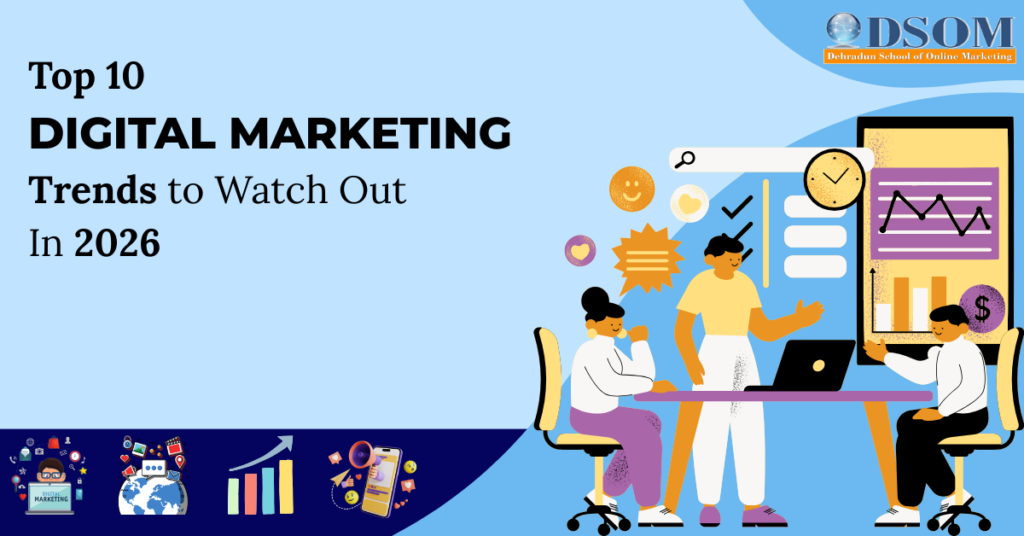
Digital marketing trends are in a constant state of its evolution, with some new technology, systems, and also consumer behaviors shaping how groups interact with their audience. As we technique 2026, there are several developments rising which can be set to redefine the manner digital advertising and marketing is approached. To live ahead of the curve, entrepreneurs have to adapt to those improvements to stand out in the market. Here are some important emerging developments in digital marketing for 2026: 1. AI-powered personalization Artificial intelligence (AI) continues to revolutionize virtual commerce through its superior strategies , and by 2026, AI will take a brand new bounce ahead. With the assistance of AI, virtual marketers can supply especially targeted experiences primarily based on consumer conduct, options, and even real-time facts which helps entrepreneurs to enhance their performance. Predictive analytics will enable manufacturers to supply content material at the proper time and within the proper format on the right platform, so as to considerably enhance engagement fees and conversions. Why it matters: Personalization enhances purchaser satisfaction and will increase ROI via turning in extra relevant content material to every person. 2. Voice search and smart speakers With the increasing use of voice assistants like Alexa, Google Assistant, and Siri, voice search is becoming the primary tool consumers use to quickly find information, products, and services. In 2026, optimized voice search is a must as prospective companies visible on the internet. SEO strategies will evolve to address more conversational natural language questions, and companies will need to consider how voice search affects their digital marketing trends presence. Why it matters: As more and more consumers rely on voice for searches, improving voice search will help companies capture a larger share of the green car market. 3. Interactive and Virtual Content (AR/VR) Augmented Reality (AR) and Virtual Reality (VR) will surely revolutionize how brands have interaction with clients. In 2026, using immersive content material like virtual product demos, interactive ads, and AR attempt-on functions could be not unusual. Brands will create virtual storefronts, permitting customers to experience services and products without ever leaving their home in the digital marketing trends era. Why it matters: AR/VR creates greater enticing and remarkable stories, assisting manufacturers stand out and construct deeper connections with purchasers. 4. 5G-Enabled Marketing The global rollout of 5G networks is expected to affect virtual marketing substantially through 2026. With quicker internet speeds and lower latency, 5G will beautify video content material first-class, improve actual-time interactions, and open up new possibilities for cell advertising and marketing. Digital marketing trends can be capable of supplying fantastic, information-heavy reports like live streaming, augmented fact, and interactive gaming without the technical obstacles of slower internet connections. Why it matters: With 5G, organizations can create richer, faster, and greater enticing virtual experiences for his or her audiences, helping to grow emblem loyalty and sales. 5. Sustainable Resource Management As customers will surely become more environmentally aware as the manufacturers are increasingly specializing in sustainability. In 2026, sustainability advertising may be a middle pillar for plenty of organizations, with green practices, products, and services taking the middle level in digital marketing trends. The digital marketing brands will want to transparently communicate their environmental impact and provide solutions that resonate with eco-conscious customers. Why it matters: Sustainability isn’t always only a trend; it’s becoming a key thing in purchasers’ purchasing choices. Brands that reveal a commitment to sustainability will benefit patron agree with and loyalty. 6. Influencer Marketing Management 2.0 Influencer advertising and digital marketing trends has been a popular method for years, however, if you implement 2026 it will evolve into something more realistic and targeted. Micro-nano-influencers (those with small but highly engaged audiences) will continue to push themselves up the rankings as they provide more authentic, niche content in digital marketing trends era. Additionally, the use of AI equipment will assist manufacturers identify the right influencers based totally on statistics-driven insights instead of followers being counted by myself. Why it matters: Influencers are trusted by their audiences, and as influencer advertising becomes more facts-driven, brands can make sure better engagement and better ROI. 7. Data Privacy and Ethical Marketing With growing worries over privacy and tightening rules like GDPR and CCPA, ethical advertising and marketing could be a key focus for agencies in 2026. The digital marketing trends will need to be aware of obvious statistics collection and use, ensuring that purchasers sense steady and knowledgeable approximately how their personal records are being handled. Brands may also leverage privacy-targeted marketing techniques, providing decide-in models for personalized experiences. Why it matters: Ethical advertising and marketing not handiest builds customer acceptance as true with but additionally guarantees compliance with facts safety policies, heading off criminal issues. 8. Video Marketing and Live Streaming Video content will keep to dominate digital marketing trends strategies in 2026. From brief-shape movies on TikTok and Instagram to lengthy-shape content on YouTube, video remains an exceedingly powerful device for storytelling and brand promotion. Live Streaming, mainly, turns into an superb more effective advertising and marketing device, with corporations the use of real-time video to engage audiences, showcase products, and host live Q. Why it matters: Video is the most enticing form of content and lets businesses to communicate their message greater correctly, leading to higher conversion prices and better target market retention. 9. Chatbots and Their Conversational Marketing Chatbots have already come to be mainstream in customer service, however by 2026, they may evolve into state-of-the-art conversational digital marketing trends and advertising tools. Powered by AI, chatbots can be capable of keeping extra herbal, human-like conversations, imparting personalized product recommendations, answering purchaser queries, and guiding customers through the sales funnel in actual-time. This shift will make 24/7 customer support and actual-time interplay extra efficient than ever. Why it matters: Conversational advertising and marketing complements the patron experience through offering on the spot, customized help, that may grow engagement and pressure conversions. 10. Blockchain and Digital Marketing Transparency Blockchain era, satisfactory for powering cryptocurrencies, is making its way into digital marketing trends in 2026.
Basic knowledge of Search Engine Optimization(SEO)
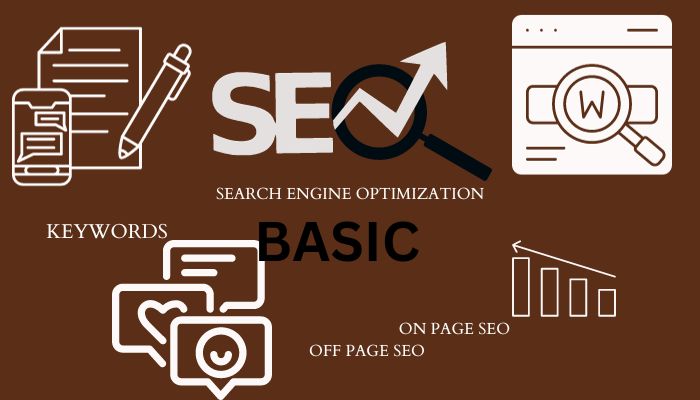
Search Engine Optimization(SEO) Basics: How to Improve Your Website’s Search Engine Ranking In the vast digital landscape, owning a website is just the beginning of your online journey. To make sure your website gets noticed and stands out among the millions of others on the internet, you need to understand the fundamental principles of SEO, or Search Engine Optimization. Search Engine Optimization(SEO) is like the compass guiding your website towards greater visibility on search engines like Google. In this comprehensive guide, we’ll break down the basics of SEO in simple terms, ensuring you can grasp these essential concepts without breaking a sweat. Introduction of SEO Search Engine Optimization(SEO) is a set of strategies and practices designed to improve a website’s visibility in search engine results. The primary goal of SEO is to increase organic (non-paid) traffic to a website by ranking higher in search engine results pages (SERPs). Search Engine Optimization is a multifaceted approach to improving your website’s visibility in search engine results. It involves keyword research, on-page and off-page optimization, content quality, mobile-friendliness, page speed, user experience, and more. By implementing effective Search Engine Optimization(SEO) practices, you can increase organic traffic and reach a wider audience on the internet. Improve Your Website’s Search Engine Ranking by Remembering these key points 1.Keywords Keywords are the foundation of SEO (Search Engine Optimization). They are the words or phrases that people type into search engines when they’re on the hunt for information. To boost your website’s visibility, you must identify which keywords are relevant to your content and your target audience. Various keyword research tools are available to assist with this. Once you have your list of keywords, you need to naturally incorporate them into your website’s content, including in your titles, headings, and body text. 2. Content: The Backbone of SEO Top-notch content is the backbone of successful SEO (Search Engine Optimization). Exceptional content not only attracts visitors but also keeps them engaged on your website. Search engines like Google appreciate websites that offer valuable content. Thus, it’s vital to focus on creating articles, blog posts, videos, or any other content that speaks to the needs and interests of your target audience. 3. On-Page SEO: Tuning Up Your Web Pages On-page SEO (Search Engine Optimization) is all about optimizing various elements on your web pages to enhance their search engine ranking. Here are some key on-page SEO elements: Title Tags: Every page should have a unique, descriptive title that includes relevant keywords. Meta Descriptions: These are short descriptions that should be catchy and encourage users to click on your search results. Headers (H1, H2, H3): Headers help organize your content and offer a chance to include keywords. URL Structure: Keep your URLs simple and descriptive, incorporating relevant keywords. Image Alt Text: For images, use descriptive alt text to help search engines understand your content. 4. Mobile-Friendliness: A Must-Have With more people browsing the web on mobile devices, having a mobile-friendly website is non-negotiable for SEO (Search Engine Optimization). A responsive web design ensures your site looks and works well on both desktop and mobile devices, making it more appealing to search engines and users alike. 5. Speed Matters: Page Load Speed The speed at which your pages load is a critical factor in Search Engine Optimization(SEO). Slow-loading pages can drive visitors away and result in lower search engine rankings. To improve your website’s page speed, you can optimize images, enable browser caching, and consider using content delivery networks (CDNs). Tools like Google Page Speed Insights can identify areas for improvement. 6.User Experience: Delighting Visitors Search engines favor websites that provide a good user experience. Elements like easy navigation, clear calls to action, and minimal pop-ups or intrusive ads contribute to a better user experience. Ensuring that your website is user-friendly will not only please your visitors but also positively impact your search engine ranking. 7. Backlinks: Building Website Authority Backlinks, also known as inbound links, are links from other websites to yours. They act as endorsements of your content and can boost your search engine ranking. To acquire quality backlinks, consider guest posting on other websites, connecting with industry influencers, or creating content that naturally attracts links. 8. Social Signals: A Little Help from Friends Social media can indirectly influence your search engine ranking. When your content gets shared on social platforms, it can increase your website’s visibility and drive more traffic. Be sure to share your content on social media and encourage others to do the same. 9. Local SEO: Attracting Local Customers If your business has a physical location or offers services in a specific area, local Search Engine Optimization(SEO) is essential. Make sure your business is listed accurately on Google My Business and other local directories. This will help you show up in local search results when potential customers are searching for nearby services. 10. Regular Updates: Stay Fresh Search engines love fresh content. Regularly updating your website with new content, like blog posts or product listings, tells search engines that your site is active and relevant. Aim for a consistent content schedule to keep your website engaging and fresh. 11. Monitor and Adapt: Search Engine Optimization(SEO) Is an Ongoing Journey Search Engine Optimization(SEO) is not a one-time task but an ongoing process. Regularly monitor your website’s performance using tools like Google Analytics. Keep an eye on your rankings, traffic, and user behavior to identify areas for improvement. As algorithms change and competition evolves, be prepared to adapt your SEO strategies accordingly. 12. Avoid Common SEO Mistakes To succeed in Search Engine Optimization(SEO), you must also avoid some common pitfalls: Keyword Stuffing: Overloading your content with keywords can hurt your website’s credibility and readability. Duplicate Content: Ensure that your content is unique and not copied from other sources. Neglecting Mobile Users: Neglecting mobile users can result in a significant loss of potential traffic. Ignoring Analytics : Regularly analyzing your website’s performance is vital for ongoing improvement. 13. Content Relevance Matters While producing high-quality content is essential, it’s equally important to
Color Theory Explained: A Complete Guide for Website Designing & UX
Color plays a crucial role in modern web design. It influences emotions, improves usability, and shapes brand perception. To build visually appealing and effective websites, designers must understand color theory and how it enhances user experience (UX). This article explains its core principles, psychological impact, and practical application in website designing. What Is Color Theory in Website Designing? Color theory in website designing involves studying how colors interact, how they evoke emotions, and how they create visual balance on digital interfaces. It focuses on understanding color properties, relationships on the color wheel, and the psychological impact colors have on users. Understanding it helps designers choose the right color palettes, improve usability, and deliver an engaging user experience. It also ensures that colors align with brand identity and user expectations. Color is not just decorative—it guides users, highlights important elements, and influences how users feel while interacting with a website. Importance of Color Theory in Website Designing Understanding color theory is essential because color can: Attract users’ attention Convey emotions and messages Improve readability and navigation Strengthen brand identity Enhance overall user experience (UX) Effective use of it can increase user engagement and reduce bounce rates. Basics of Color Theory 1. The Color Wheel The color wheel is the foundation of color theory and includes: Primary colors: Red, blue, yellow Secondary colors: Green, orange, purple Tertiary colors: Mixed variations Understanding the color wheel helps designers create balanced color combinations. 2. Color Properties Hue: The actual color Saturation: Color intensity Brightness (Value): Lightness or darkness These properties are key elements of color in web design. 3. Color Harmonies Color harmonies create visual balance: Complementary Analogous Triadic Monochromatic Psychological Impact of Colors Understanding this theory also involves learning color psychology. Blue: Trust and professionalism Red: Energy and urgency Green: Growth and calmness Yellow: Optimism and creativity Colors influence emotions and user behavior, making it crucial for UX design. Establishing Visual Identity Using Color Theory Color Symbolism in Branding Brands use color theory to communicate personality and values. The right colors help build trust and recognition. Example:Coca-Cola uses red to represent energy and excitement, while LinkedIn uses blue to project professionalism and trust Consistency Across Platforms Consistent color usage across websites, apps, and social media strengthens brand identity. Example:Instagram maintains the same gradient color style across all platforms. Role of Color Theory in User Experience (UX) Applying it in UX design helps in: Creating a cohesive interface Establishing visual hierarchy Improving readability and accessibility Colors guide users’ attention and enhance navigation. Color Accessibility in Website Designing An important part of color theory is accessibility. Follow WCAG contrast guidelines Design for color-blind users Use icons or text instead of relying only on color Accessible color choices ensure a better experience for all users. Color Trends and Innovation Modern designers use it to experiment with: Gradients and overlays Bold and minimal palettes Unique color combinations These trends help create memorable digital experiences. Conclusion Color theory is a powerful tool in website designing. By understanding its principles, psychological impact, and accessibility guidelines, designers can create visually appealing and user-friendly websites. The right application of it enhances aesthetics, usability, and overall user experience—making it essential for successful web design.