Off-Page SEO: The Powerhouse Behind Your Website’s Visibility
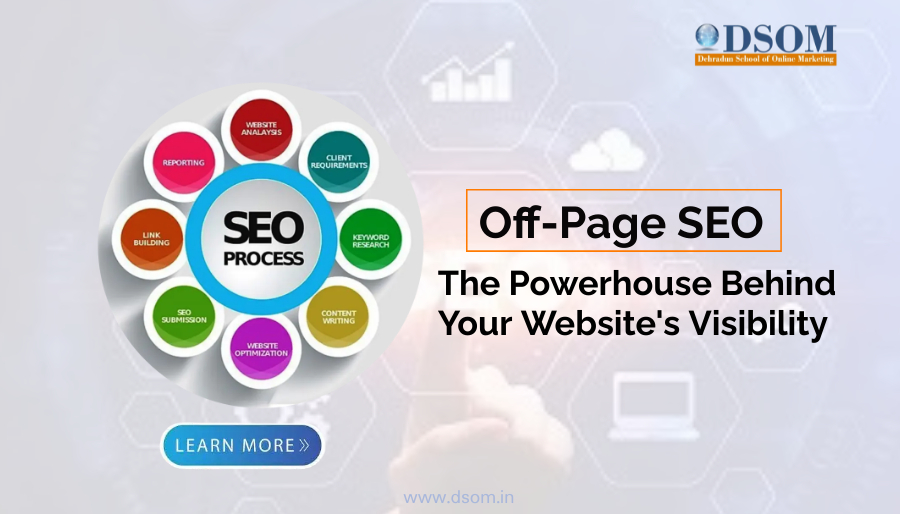
Off-Page SEO: The Powerhouse Behind Your Website’s Visibility In the competitive world of SEO, ranking high on search engine results pages (SERPs) can feel like winning the digital lottery. But SEO isn’t just about optimizing your website itself (on-page SEO). There’s another crucial factor at play: off-page SEO. So, what exactly is off-page SEO? Imagine your website as a store on a bustling street. On-page SEO focuses on making your store look attractive and well-organized (think product displays and clear signage). Off-page SEO, on the other hand, is about building your reputation in the neighborhood. It’s about getting people to talk about your store, recommending it to others, and establishing it as a trusted destination. Here’s a breakdown of how off-page SEO translates to the digital world: Off-page SEO focuses on activities performed outside your website. This includes building backlinks, engaging in social media marketing, and influencer outreach. The goal of off-page SEO is to increase your website’s authority and credibility in the eyes of search engines. By earning positive signals from external sources, you essentially tell search engines your website is valuable and noteworthy. This can significantly influence your ranking for relevant search terms. Essential Techniques for Off-Page SEO Success: Now that you understand the concept, let’s explore some key techniques to master off-page SEO: Link Building: This is the heart of off-page SEO. Backlinks, as discussed previously, act as votes of confidence from other websites. The more high-quality backlinks you have, the stronger your website’s reputation appears to search engines. Social Media Marketing: Active social media presence isn’t just about brand awareness. Sharing valuable content and engaging with your audience can attract organic backlinks and drive referral traffic to your website. Guest Blogging: Contributing guest articles to relevant websites within your niche exposes your brand to a new audience and earns you a valuable backlink from the host website. Online Reputation Management: Actively monitor and respond to online reviews and mentions of your brand. Positive mentions can indirectly boost your website’s authority. Influencer Marketing: Partnering with relevant influencers in your niche can leverage their audience reach and credibility to promote your website and content, potentially leading to backlinks and increased brand awareness. Broken Link Building: Find websites with broken links pointing to outdated content. Reach out and offer your own insightful content as a replacement, acquiring a backlink in the process. How Off-Page SEO Impacts Your Google Ranking: Off-page SEO plays a critical role in influencing your Google ranking in several ways: Backlink Strength: As mentioned earlier, backlinks act as a popularity contest for search engines. High-quality backlinks from trusted websites signal to Google that your content is valuable and deserves a higher ranking. Website Authority: The more positive signals you receive from external sources through off-page SEO techniques, the higher your website’s authority appears in the eyes of search engines. This translates to better rankings for relevant search terms. Brand Awareness & User Engagement: Off-page SEO efforts like social media promotion can increase brand awareness and user engagement with your website. Google considers user engagement metrics when ranking websites, so a strong off-page SEO strategy can indirectly improve your ranking. The Takeaway: Off-Page SEO – A Vital Piece of the Puzzle While on-page SEO is crucial for website optimization, neglecting off-page SEO would be like opening your fantastic store without any marketing or advertising. Off-page SEO builds your website’s reputation and authority, leading to better Google rankings, increased website traffic, and ultimately, a thriving online presence.
Social Media SEO: Where Likes Meet Rankings
In today’s digital landscape, social media isn’t just about connecting with friends and sharing funny cat videos. It’s a powerful tool that can significantly impact your website’s search engine optimization (SEO) efforts. Confused? Welcome to the world of Social Media SEO! Social Media SEO: Not Just About Popularity Think of social media platforms like giant online water coolers. People gather there to discuss topics, share information, and discover new things. Social Media SEO is about strategically leveraging these platforms to improve your website’s visibility and attract search engine attention. Here’s the key takeaway: Social media isn’t a direct ranking factor for search engines like Google. However, it indirectly influences your SEO in several ways: Increased Brand Awareness: Active social media presence keeps your brand name and website fresh in people’s minds. This can lead to more organic searches for your brand and website over time. Content Amplification: Social media platforms provide excellent avenues to share your website content. Engaging content shared on social media can attract clicks and drive valuable traffic to your website. Backlink Opportunities: Social media can be a springboard for generating backlinks. When people find valuable content on your social media pages, they might be more likely to link to your website on their own blogs or articles. Social Signals: While not a direct ranking factor, some believe social media engagement metrics like likes, shares, and comments can indirectly influence search engine algorithms. Engaging social media content suggests valuable and informative content, potentially boosting your website’s authority. Optimizing Your Social Media Presence for SEO: Now that you understand the concept, here are some strategies to enhance your social media SEO: Content is King: Just like on your website, high-quality and informative content is crucial for social media. Share blog posts, infographics, videos, and other engaging content relevant to your target audience. Optimize Your Profiles: Craft compelling bios and descriptions for your social media profiles. Include relevant keywords and a clear call to action directing users to your website. Strategic Hashtags: Research and use relevant hashtags in your social media posts. This increases the discoverability of your content by people searching for those hashtags. Be Socially Active: Don’t just post and disappear! Engage with your audience by responding to comments, participating in conversations, and running interactive polls or Q&A sessions. Integrate with Your Website: Include links to your website in your social media bios and posts. Encourage social sharing of your website content. Social Media SEO: A Collaborative Effort Social media SEO isn’t a standalone strategy. It works best when integrated with your overall SEO efforts. Here’s how: Promote Optimized Content: Share your SEO-optimized website content on social media platforms to reach a wider audience. Keyword Research: Use keyword research insights to inform your social media content strategy and target relevant keywords. Social Listening: Use social media listening tools to identify trending topics and conversations relevant to your niche. This can help you create content that resonates with your audience and potentially improves SEO. The Takeaway: Social Media SEO – A Boost for Your Website Social media platforms offer a powerful avenue to enhance your website’s visibility and SEO efforts. By creating engaging content, optimizing your profiles, and fostering social interaction, you can leverage the power of social media to attract more visitors, build brand awareness, and ultimately, improve your website’s ranking potential. So, don’t underestimate the power of Social Media SEO. Embrace these strategies and watch your website climb the search engine ladder, one like, share, and comment at a time!
Top 5 AI Tools to Power Up Your Business Website’s SEO

In today’s competitive digital landscape, ranking high in search engine results pages (SERPs) is crucial for business success. But SEO strategies can be complex and time-consuming. That’s where AI comes in! Here are the top 5 AI-powered tools to help you optimize your website and conquer the SERPs: 1.Surfer SEO: On-Page Optimization Champion Surfer SEO is a one-stop shop for on-page optimization. It analyzes top-ranking pages for your target keywords and provides actionable insights to improve your content. Think of it as your SEO coach, suggesting optimizations for everything from keyword density and content structure to readability and internal linking. 2.SEMrush: The All-Encompassing SEO Suite SEMrush is a powerhouse SEO platform with a variety of AI-powered features. It offers comprehensive keyword research tools, competitor analysis, and backlink tracking. But where AI shines is in its real-time content optimization suggestions. As you write, SEMrush analyzes your content and offers recommendations to improve its SEO strength. 3.MarketMuse: Content Optimization on Autopilot MarketMuse takes a data-driven approach to SEO. It analyzes your content and compares it to top-performing competitors’ content. This AI tool identifies content gaps and suggests improvements to make your content more competitive and informative. MarketMuse even offers a content score, giving you a clear benchmark for your content’s SEO potential. 4.Jasper: The AI Writing Assistant for SEO-Friendly Content Jasper (formerly Jarvis) is a popular AI writing assistant that can be a valuable asset for SEO. It helps you overcome writer’s block and generate high-quality content ideas, headlines, and even entire blog posts. But Jasper’s strength lies in its ability to optimize your content for target keywords. It ensures your content incorporates relevant keywords naturally, improving your content’s ranking potential. 5.Frase: Craft Powerful Content Briefs with AI Frase is an AI-powered content intelligence tool that excels at creating comprehensive content briefs. Simply enter your target keyword, and Frase uses AI to analyze search results and generate an outline packed with relevant information, subheadings, and even potential questions to answer. This ensures your content covers all the bases search engines are looking for, boosting your ranking chances. Remember, AI SEO tools are there to empower you, not replace your human touch. Use these tools alongside your creativity and SEO knowledge to craft high-quality content that resonates with your audience and conquers the SERPs. While AI tools offer valuable assistance, a solid understanding of SEO principles is essential for long-term success. If you’re looking to delve deeper into SEO and digital marketing, consider enrolling in a course offered by a reputable institute like the Dehradun School of Online Marketing (DSOM) in Dehradun. By combining the power of AI tools with a strong foundation in SEO best practices, you can empower your business website to dominate search engine results and achieve lasting digital marketing success.
Unveiling the Power of Email Marketing: Your Key to Generating Leads
In today’s digital age, where technology evolves at a breakneck pace, traditional marketing strategies often find themselves overshadowed by their more contemporary counterparts. However, amidst the ever-changing landscape of digital marketing, one strategy remains steadfast in its effectiveness: Email Marketing. In this blog, we’ll delve into what Email Marketing entails, explore its effectiveness, and uncover how it serves as a potent tool for lead generation. What is Email Marketing? Email Marketing is a digital marketing strategy that involves sending commercial messages to a group of people via email. These messages could range from promotional content, newsletters, product updates, event invitations, to personalized offers. The goal is to nurture relationships with potential and existing customers, encourage customer loyalty, and drive conversions. Unlike other marketing channels, Email Marketing offers a direct line of communication to your audience’s inbox, providing a personalized and targeted approach to engagement. With the right strategy and content, Email Marketing can be a highly effective tool for businesses across various industries. How Effective is Email Marketing? The effectiveness of Email Marketing lies in its ability to deliver targeted messages to a receptive audience. Here are some key reasons why Email Marketing continues to thrive: Cost-Effectiveness: Compared to traditional marketing channels like print or television advertising, Email Marketing is incredibly cost-effective. It eliminates printing and postage expenses, making it an ideal choice for businesses of all sizes, especially startups and small businesses. High ROI: Email Marketing consistently boasts one of the highest returns on investment (ROI) among digital marketing channels. With proper segmentation, personalization, and automation, businesses can achieve impressive results with minimal investment. Targeted Engagement: Through segmentation and personalization, marketers can tailor their messages to specific audience segments based on demographics, behaviors, or interests. This targeted approach increases relevance and engagement, leading to higher conversion rates. Measurable Results: Email Marketing platforms provide robust analytics that allow marketers to track key metrics such as open rates, click-through rates, conversion rates, and more. These insights enable continuous optimization and refinement of Email Marketing campaigns for better performance. Automation and Scalability: With the help of automation tools, businesses can streamline their Email Marketing efforts by scheduling emails, segmenting subscribers, and sending personalized messages at scale. This not only saves time but also ensures consistent and timely communication with leads and customers. How Email Marketing Helps Generate Leads Lead generation is the lifeblood of any business, and Email Marketing excels in this aspect. Here’s how it helps businesses generate leads: Opt-in Subscriptions: By offering valuable content or incentives, businesses can entice website visitors to subscribe to their email list. These opt-in subscribers have already expressed interest in the brand, making them highly qualified leads. Lead Nurturing: Email Marketing allows businesses to nurture leads through targeted content tailored to their specific needs and interests. By providing valuable information, addressing pain points, and showcasing product benefits, businesses can move leads through the sales funnel towards conversion. Segmentation and Personalization: Segmentation enables businesses to divide their email list into smaller, more targeted groups based on demographics, behaviors, or purchase history. Personalized emails that resonate with recipients are more likely to capture their attention and drive action, ultimately leading to lead generation. Call-to-Action (CTA): Effective Email Marketing campaigns include clear and compelling CTAs that prompt recipients to take the desired action, whether it’s signing up for a webinar, downloading an ebook, or making a purchase. Well-designed CTAs can significantly increase conversion rates and generate leads. Lead Scoring and Qualification: By tracking recipient engagement and behavior, businesses can implement lead scoring systems to identify and prioritize high-quality leads. This ensures that sales teams focus their efforts on prospects who are most likely to convert, maximizing efficiency and effectiveness. In conclusion, Email Marketing remains a powerful and indispensable tool for businesses seeking to engage, nurture, and convert leads effectively. With its cost-effectiveness, targeting capabilities, and measurable results, Email Marketing continues to deliver impressive ROI for businesses across industries. By harnessing the power of Email Marketing, businesses can unlock a treasure trove of opportunities for lead generation and long-term success in the digital landscape.
What Is the Impact of Mobile -Optimization on SEO Ranking?
Introduction: Mobile optimization not only plays a crucial role enhance the ranking or search engine optimization but it is effectively essential for improving conversation rates and has positive impacts on SEO Rankings for our webpages. Moreover, Search Engines now prioritize mobile-friendly websites and it helps to boost potentially organic traffic and attracts more and more customers to the website. Making sure works well on mobile is very important for SEO. Search engines like Google or others care about this because so many people in the world use smartphones to connect with websites. So, they favor websites that are mobile-friendly when ranking search results. Being mobile (IOS or Android) friendly, mobile optimization can boost a website’s chance to rank on search engines like GOOGLE. etc. Here are some steps to make sure your website is mobile-friendly: Webpage should start with mobile’s first approach Use a responsive theme on the website If the screen were not crash Optimize images Optimize button placement Standard fonts Optimize Maps and Locations Mobile friendly Testing Avoid Flash URLs which are mobile-friendly Mobile Optimization has a Significant Impact on SEO followed by: User Experience: SEO stands for search engine optimization and it is all about diving into higher traffic on the website from search engines like Google. The term User Experience increased rank in SEO and it provided a smooth and enjoyable experience for the user who opens your website. Mobile Friendly websites offer better places to work on smaller screens, However, it results in lower bounce rates, and it can increase engagement positively for Search Engines. Speed of Page: Mobile optimization often includes improving page speed for faster loading without any buffering on mobile devices. However, it is a crucial ranking factor for both mobile, desktop, and tabs searches. Navigational and Maps searches: As Mobile searches are mostly Location-based so, Mobile-friendly sites are more likely to appear in local search results and map listings. It can boost ranking. Clear logical mapping and navigation can have a positive impact on your site’s SEO ranking and the user, it making easier for potential users to find your site through search queries. Mobile First Indexing: Mobile-first indexing is when Google looks at a website’s mobile version when deciding how to rank in search results. Easily, we can understand, that Google’s Crawlers prioritize the mobile version of a webpage for indexing and ranking, impacting its performance in mobile search results. Featured Snippets and Rich Snippets: Mobile Optimization can improve a website’s chances of appearing by Google in featured Snippets and get rich results to increase organic Traffic on the website and enhance visibility. They are found above the first organic listing in search engines, which means the page is already ranked at the top in search engines. Ranking in mobile search:In this fact, Google prioritizes how easy a website can run and it considers how easy it is to use on mobile devices when deciding where it shows up in search engines like Google. It’s more likely to rank higher in searches done on phones or tablets. 7. Increased mobile Traffic:As more people use smartphones to go online, all the owners of any business need traffic on their websites, however, no matter if the traffic is organic or inorganic. By optimizing for mobile, you can connect better with your mobile users, enhance your online presence, drive more traffic, and ultimately, improve. Faster Loading Time: Making your website mobile-friendly not only enhances its speed on phones or tabs but also keeps users satisfied and happy. Nobody likes waiting for a page or we can say nobody likes buffering on the webpage to load a page on their phone. Additionally, Google rewards faster sites with higher rankings, so optimizing for mobile isn’t just about user experience, it’s good for SEO too. The Benefits of Mobile Optimization: Optimizing a website and making it mobile-friendly for users offers more than just a boost in SEO. It enhances users’ experience, boosts engagement helps increase rank in Search engines, and drives more conversations. Additionally, it expanded your website reach since mobile devices enable browsing from anywhere in the world at any time. Mobile Optimization offers some advantages in the present digital world. First of all, it enhanced UX by ensuring that websites and applications are easy to navigate and functional on various mobile devices, it contributed to increased user engagement and made them satisfied and happy. Secondly, it can improve SEO ranking and prioritize mobile-friendly websites in their algorithms. This can boost visibility and organic traffic to the site. Moreover, it supports faster loading times and facilitates seamless integration with social media platforms. Furthermore, it enables effortless sharing and spreading of content. Overall, mobile optimization is indispensable for businesses aiming to remain competitive in a mobile-dependency world. It offers benefits such as enhanced user experience, improved search engine rankings, faster loading times, and increased conversation rates and organic traffic on the site. Winding Up: As we know we’re in the Digital world and it keeps changing, the importance of mobile Optimization for Search Engine Optimization Ranking is clear in our minds. However, SEO is now mobile versions of websites because it is easy for the users, and this makes it a very difficult situation for businesses to focus on mobile-friendly design and content. As the digital environment progresses, the influence of mobile optimization on SEO ranking is indisputable. The interconnection between Mobile Optimization and SEO ranking stands as a difficult factor in achieving the Goals. As a result, websites that are mobile-friendly are more likely to higher rank in SERPs. Leading to increased visibility. Therefore, investing in a mobile optimization strategy is very important for business growth in this digital world.
EFFECTIVE SMO TOOLS FOR MANAGING MULTIPLE SOCIAL MEDIA ACCOUNTS.
SMO stands for Social Media Optimization. It is basically the use of Social Media sites to manage and enhance the organization’s message and their presence on the online platforms. SMO can be used to increase awareness of new products and services and to connect with the customers. It basically refers to the process of optimizing your Social Media presence and content to increase brand awareness, engage with your audience, drive traffic to your website and ultimately achieve your business goals. Strategies and tactics involve by SMO SMO involves various strategies and tactics which aims at enhancing your visibility and performance on Social Media platforms. These strategies include: – Profile Optimization– It ensures that that your Social Media profile is complete and accurate. This includes relevant keywords, high quality images etc. Content Optimization– It includes creating and sharing valuable, relevant and engaging content which matches with your target audience. Audience Engagement– It says that you should actively engage with your audience by replying comments, mentions, messages etc… HashtagStrategy – Hashtags are used to increase the discoverability of your content and to reach a wider audience. Social Media Advertising– It is paid advertising options on Social Media platforms to target specific audiences, promote your content and invite traffic to your website or landing pages. EFFECTIVE SMO TOOLS FOR MANAGING SOCIAL MEDIA ACCOUNTS: Managing multiple Social Media accounts can be a bit challenging, but there are several tools available to make this process easy. Some effective SMO tools are – Hootsuite– It is one of the most popular SMO tools which allows you to schedule posts, track analytics, and manage multiple accounts across various platforms like Instagram, Twitter, YouTube and many more. 2. Buffer – Buffer is another one of the widely used SMO tool which is used across nation. The tool is basically used for scheduling posts on multiple Social Media platforms. It also provides the analytics and gives the leverage to collaborate with the team members. 3. Later – Its primarily focused on visual content for Instagram but it also supports other Social Media platforms like Facebook, Twitter, Pinterest but its primarily focus is on only Instagram. 4. Schedule – It is a marketing calendar tool that integrates with major Social Media platforms. It allows you plan, schedule and automate Social Media campaign’s alongside with other marketing activities. 5. Sensible – It is a Social Media tool which is suitable for agencies and businesses. It offers monitoring, scheduling, analytics and CRM integration across multiple Social Media platforms such as Instagram, Twitter and many more. 6. Sprout Social – It is also a SMO tool which offers features for Social Media scheduling, publishing, engagement and analytics. It supports majority of the social platforms. 7. Social Pilot – Social Pilot is completely known for its affordability and user – friendly interface. It supports scheduling, publishing and analyzing Social Media content across various platforms such as Twitter, Instagram, Facebook and Pinterest. 8. Tweet Deck – TweetDeck is owned by Twitter (X) and it is a free tool that allows you to manage multiple Twitter accounts, schedule tweets, monitor feeds and engage with your audience in the real time. Agorapulse– It also offers Social Media Management features like scheduling, publishing, monitoring and analyzing. It supports majority of the Social Media platforms and provides some advance features like social inbox and competitor analysis. Zoho Social– Zoho Social is a part of the Zoho Suite of business tools and also offers monitoring, scheduling etc. It is also known widely for its CRM integration and collaboration capabilities. NOTE: When consider the tool, consider factors like the number of Social Media accounts you need to manage, the platforms you use, your budget, and the specific you require for your Social Media strategy.
How To Measure the ROI Of Digital Marketing Campaigns?
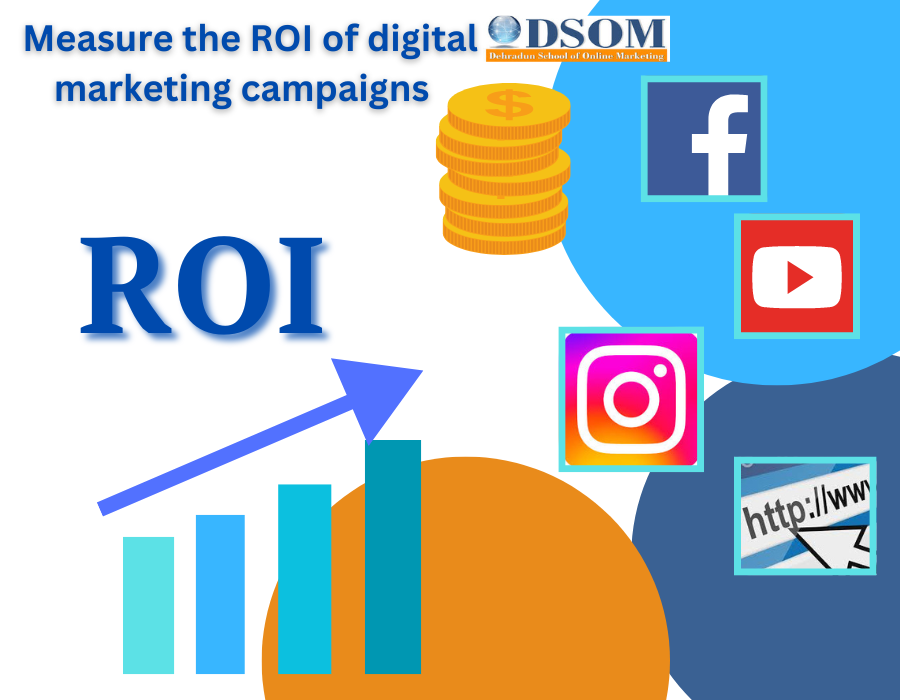
The motive of every investment and expenditure is its return on investment and expenditure. So, the goal of digital marketing campaigns is to get a higher return on investment and cost which they made on their projects ROI helps in measuring the benefit you generate against the cost you spend on your digital marketing expenditure. The knowledge of the generated ROI provides you guidance in making effective strategies and best decisions for your next campaigns and projects. What is ROI? Before knowing about the How to measures of ROI. We will discuss what is ROI. ROI (Return on Investment) helps to know about the profitability of your marketing campaigns and projects. It measures the amount of profit generated by your campaign against the amount of money you spent on investment and expenditure for the project. ROI is an important element because it will help you in making sound decisions like allocation of resources and comparing the effectiveness of different marketing channels. WHY Measuring the ROI of digital marketing campaigns is important? Measuring ROI in digital marketing is important for several reasons: Assessing Campaign Effectiveness ROI helps you to evaluate the effectiveness of your digital marketing campaigns. It will help you to understand which campaigns are generating revenue and make you understand to focus on strategies that are effective for our goal. Optimizing Resource Allocation ROI helps you understand how to allocate your resources effectively. It provides ideas in which strategies we can put more recourse and in which we don’t need to put effort. Enhancing Decision Making With the help of ROI, we can make the best decision for making successful strategies for our businesses and it also helps you in deciding the allocation of resources. Improving Campaign Performance With the help of ROI, we can improve the performance of our project. It helps in understanding which strategies generate high returns so we can improve your strategies, optimize campaigns, and increase overall performance. Checking progress toward goals ROI allows you to track progress in your marketing goals. It will help you to stay on track and it adjust your strategies which helps you to achieve your objectives. Making long-term Strategies Understanding the long-term ROI of digital marketing efforts helps in making powerful strategies. Which helps in achieving long-term goals. How do you calculate ROI? A simple formula for calculating ROI is: (Sales Revenue minus Total Ad Spend) divided by Total Ad Spend *100. For example, if you spent 30000 rs on a Google ad campaign and it generated 50000 in revenue, your ROI would be 66.6%. Define Your Goals Set some specific goals for your digital marketing campaign. Common goals like raising website traffic, increasing sales, or improving brand awareness Track Campaign Costs Firstly, track all costs connected with your digital marketing projects. This cost includes expenditure on Google Ads, expenses on the creation of content like blog posts, and some Personnel costs (e.g., salaries, and freelance fees). Measure Revenue Measure revenue that we generate through our efforts on the campaign. revenue includes sales, form submissions, downloads, or any other action that benefits us. we can use tools like Google Analytics, conversion tracking pixels, and CRM systems for tracking revenue and benefits generated from our campaign efforts. Calculate ROI Use this formula for calculating the ROI of your digital marketing campaigns: ROI=Net Profit/Total cost ×100 Example Calculation If you are running a digital marketing project here are some details of campaigns Total investment: $4000 Revenue generated: $16,000 Net Profit=$16,000−$4,000=$12,000 ROI=$12,000/$4,000×100= 300% Use Analytics Tools here are some tools which helpful in measuring the performance of our description Google Analytics: it helps in measuring website traffic and, the behavior of users. Google Ads: it checks ads performance, and click-through rates (CTR). Email Marketing Platforms: it measures open rates, click-through rates, and conversion rates for email campaigns. CRM Systems: It measures lead generation and sales data. Analyze and Optimize It is important to Regularly analyze the data collected which helps in understanding what is working and what is not working. It helps look for patterns and insights that will help you in optimizing your projects. Make reports and Communicate Results Make reports regularly and communicate you’re the ROI of digital marketing campaigns to those who have an interest. make data more readable and understandable for the reader. also highlights the key findings, successes, and areas for improvement. Conclusion ROI is an important point for evaluating the profitability and efficiency of investments. It provides a correct way to us for measuring the financial success of your various campaigns, it helps your businesses make effective and correct decisions, allocate resources effectively, and provide ideas to your business on who to make the correct expenditure on correct projects.
How Do You Plan to Conduct a Comprehensive SEO Audit for A Website?
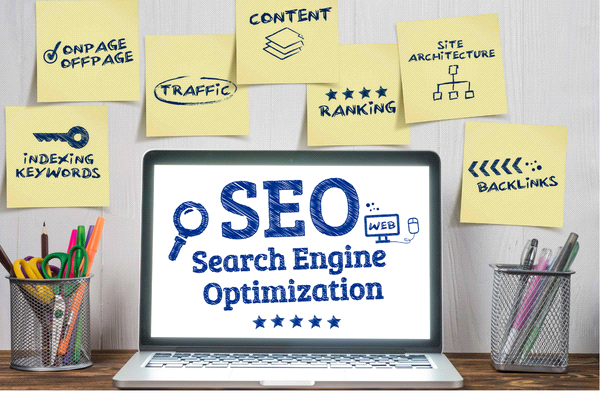
Website audit reports are the essence of giving your site a comprehensive checkup, as the case maybe you have not audited your website before. But there are some ways to audit your site if you don’t know how to do an SEO audit there are some suggestions, SEO Audit is an essential component for your site to make new strategies to beat your competitor’s site. The Audit is also important if your site is giving less traffic or your website needs to be properly optimized for search. What is an SEO audit? The Procedure of analyzing and reviewing how decently your web presence relates to the best practices. It is the first step to creating a fulfillment plan with appreciable results. Tell about some SEO tools. 1 Google search console (GSC) It is a free service offered by Google which helps you monitor and maintain your site performance. 2 Google Analytics. It is a tool for analyzing and tracking your website’s performance or SEO is a set of strategies for improving a website’s ranking in Search engine results. 3 Google Keyword planner Keyword planner helps you search keywords for your search push. You can use this tool for free to discover new keywords that will help you rank your website. 4 Moz pro This free extension tool makes it easy to get links and do all your SEO. 5 Spy Fu It is a manageable tool that lets you know what keywords your competitors are targeting. 6 SEMrush It is an all-in-one tool suite for improving website visibility and discovering marketing sights. 7 Ahrefs It is an SEO software that contains tools for Link building and keyword research. How to do an SEO audit? 1 Run your website URL under a site audit tool. Before you get started you must find a website auditing tool that can help you URL – Definition | WEB flow Glossary. Inspect how your website is performing. When you use audit software through your website, you can get unique recommendations and examine how your page is performing. 2 Make your site speed fast. It is essential that your site loads quickly, the main reason for not getting your website at the top is the page speed factor. It is an important user experience factor; data shows that the slower a page loads. There will be a higher chance that the users will not return to your website. 3 Analyze all internal links and backlinks. Internal links are an essential part of SEO- Make an easy step for search engines to crawl your website.They help users direct your website. Backlinks – Keyword gap tool to find great and effective opportunities, you can use backlinks. 4 Improve your top pages. Take a look at specific pages to analyze their performance and find ways to improve them. There is a tool that will help you [ On page SEO checker]. 5 Find technical errors. Technical errors affect the performance of the website and can negatively impact the user’s experience. If you can understand that the traffic from your website is decreasing then a technical error could be a reason. 6 Determine SEO problems. Now, you have to focus on SEO-related issues so that you can get a ranking on Google. For this, you can improve your Tittles, Alt text, Meta Descriptions, etc. 7 Duplicate versions of your website. It is very important to ensure that Google is indexing only one category of your site. Your site could sit on various categories of URL [Uniform Resource Locator]. For example,https://www.yoursite.com 8 Analyze design and User experience. The software has heatmaps that draw the most attention and what consumers are reading. This type of procedure will let you know how the overall design and user experience are influencing your visitors. Some Questions Related to SEO [FAQs] 1 What are Backlinks? A Backlink is a link that connects one Website to another Website. 2.What is CTR [ Click Through Rate]? Click-through rate (CTR) can be used to gauge how well your keyword ads, and free listings, are performing. 3 What are Rich snippets? Rich snippets are the first impressions of the Website. 4 What are canonical errors? They are errors due to which we cannot differentiate between the original content and copied content. 5 What is sitemap.xml? A sitemap is a file that connects the information that Google can crawl and rank that content in a Search engine.
What are the top SMO techniques for boosting social media engagement?
Social media optimization or SMO is a process that uplift the companies to analyze and audit in their social media account and their contents about 88% of business market are on social media. SMO has to practice regular testing and modifications to give the best results just like in SEO. It gives a great range of vision for the content creation, that would create a betrothment of traffic, clicks, and other things. Here are some techniques for boosting social media optimization:– 1- Use of Relevant Hashtags (#):- In the world of social media optimization use of #Hashtags is as important as the content. The reach of audience/traffic can be increased by using trending Hashtags with the content and the hashtags should be similar to your brands. The more reach to users, the more will be the user engagement. On Instagram users can use 30 hashtags in its post but social media optimization experts say that 11 relevant hashtags can create great traffic engagement. For example ( #abc #def #ghi #jkl ) 2- Sharing of Top Quality Content:- When there have been many changes in Google and its algorithms, but the only thing that remained constant is the Quality of Content and its importance. High-quality content boosts the SMO, ranking of the website. 3- Use of relevant Keywords:- Use of keywords in your links, pages, and hashtags should be selected carefully whenever sharing content on your page or post because it will help in increasing the ranking of your website. For improving SMO, a tool that can be used is SEMRUSH,it helps in finding the best keywords for your brand or company. 4– Creation of Unique Content:- Creating unique content can attract mass traffic or audience to your page or post. This is the first and foremost strategy in SMO engagement. Content is the base of your SMM (social media marketing) that is why the content should be educational, informative, entertaining, and inspirational. For this, you can use different formats of texts, images, videos, and other things that will improve the quality and uniqueness of your content. 5– Involvement of Internet Celebrity:- An Internet celebrity is an individual that has its own fame and value on the Internet. An internet celebrity has a power to attract a huge crowd on social media platforms nationally or internationally. Getting connected with internet influencers can make your brand noticeable across the globe. 6– Use of Call of Action (CTA):- CTA also known as a Call of Action refers to instructions. For example – commenting, reading a blog, liking a post, or following a company on social media platforms. CTA motivates the audience to interact with companies. 7– Using of Social Sharing Button:- Adding social sharing buttons at the end of an article or post enables the audience to share your content on social media platforms or globally on their own. 8– Linking with relevant social media sites:- Links with relevant social media sites can increase audience traffic and ranking of your site. Selecting relevant social media site should be implemented carefully because some social media sites may do good on one platform but fails to grow on another site. For example:- Facebook, Instagram, Twitter, Pinterest,linkedIn. 9– Creating Social Bookmarking:- Social Bookmarking refers to the connecting of website links to social media websites or adding of website connections to social networks. The links uploaded are public or viewable to everyone by this it promotes networking and participation actively, and much more. 10– Content Strategy:- For the improvement of traffic on social media the production of the right type of high-quality, informative, and valuable content on your post. Using creative, unique content can improve traffic engagement and the ranking of the website. 11– Know Your Audience:- For the improvement of the SMO community, you should know the audience well. You should know the interests, preferences, their needs of the audience. Some tools to use for this are – Surveys, Polls, and Quizzes. 12– Recognizing social media goals:- Identifying or recognizing the social media goals on a primary level should be implemented for the optimization of social media. 13– Using of images :- Posting relevant and high-quality images can make a person notice your article or content. Images has the ability to attract the audience of every age whether it is a teenager, adult or senior citizens. 14– Optimizing Posting Schedule:- Posting your content at the right time which means when the audience is most active can improve and increase ranking and traffic on your website. It can vary with one brand to another brand and from one platform to another platform. 15– Tracking Your Progress:- The only proper way to look if your social media is optimized or not is done by tacking the process. Tracking the engagement, number of posts shared, number of comments received on posts, number of likes received, and much more. Once you track the data you’ll be able to make better and best effective decisions to optimize your social media accounts.
Why a Digital Marketing Course is the Key to Success in the Modern Business World
In today’s digital age, businesses of all sizes and industries are realizing the importance of having a strong online presence. With more and more consumers turning to the internet to research and make purchasing decisions, it has become essential for businesses to have a deep understanding of digital marketing strategies in order to reach and engage with their target audience. A digital marketing course can provide individuals with the skills and knowledge needed to succeed in this ever-evolving digital landscape. A digital marketing course can teach individuals a variety of skills including search engine optimization (SEO), pay-per-click (PPC) advertising, social media marketing, email marketing, and more. These skills are essential for businesses looking to increase their online visibility, drive website traffic, and ultimately convert leads into customers. One of the key advantages of digital marketing is its cost-effectiveness. Traditional marketing methods such as television and print advertising can be costly and difficult to measure in terms of return on investment. Digital marketing, on the other hand, can be more cost-effective and provides a wealth of data and analytics to track and measure the success of campaigns. A digital marketing course can also help individuals stay up-to-date with the latest trends and best practices in the industry. The digital landscape is constantly evolving, and new technologies, platforms, and strategies are constantly emerging. A course can provide individuals with the knowledge and resources needed to stay ahead of the curve and adapt to the latest changes. In addition, digital marketing offers the ability to target specific demographics and geographic regions, which can be especially beneficial for small businesses with limited resources. With the help of digital marketing, small businesses can reach their specific target audience and compete with larger businesses in the same industry. In conclusion, a digital marketing course is the key to success in the modern business world. It can provide individuals with the skills and knowledge needed to effectively promote products or services through digital channels and stay ahead of the latest trends and best practices in the industry. As more and more consumers use the internet to research and make purchasing decisions, it is essential for businesses to have a strong online presence and a deep understanding of digital marketing strategies in order to reach and engage with their target audience.