A few years ago, I published a blog post that ranked on the first page of Google.
Sounds like success.
Except it wasn’t.
The page was visible—but invisible at the same time.
- No clicks.
- No attention.
It showed up in search results, but users skipped right past it.
Then we made one strategic change.
We optimized the content for a rich snippet.
The ranking didn’t change.
But the result did.
Extra details started appearing—ratings, structured information, clearer context. Suddenly, clicks increased without moving a single position.
That’s when it became clear:
Ranking gets you seen.
Rich snippets get you chosen.
And when combined with strong on-page SEO, they quietly outperform competitors.
What Is a Rich Snippet? (Simple Definition)
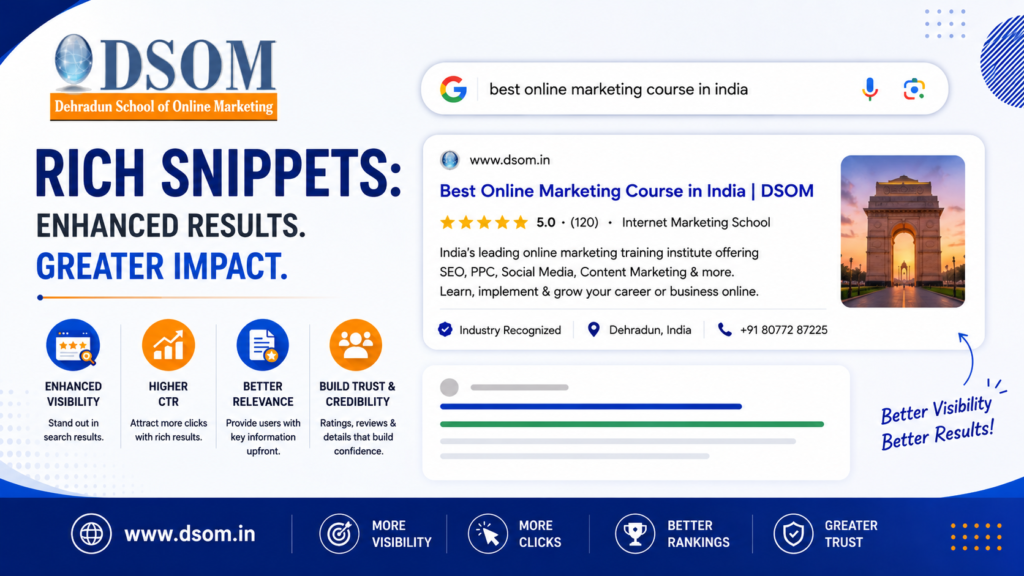
A rich snippet is an enhanced search result that displays additional information beyond the standard blue link.
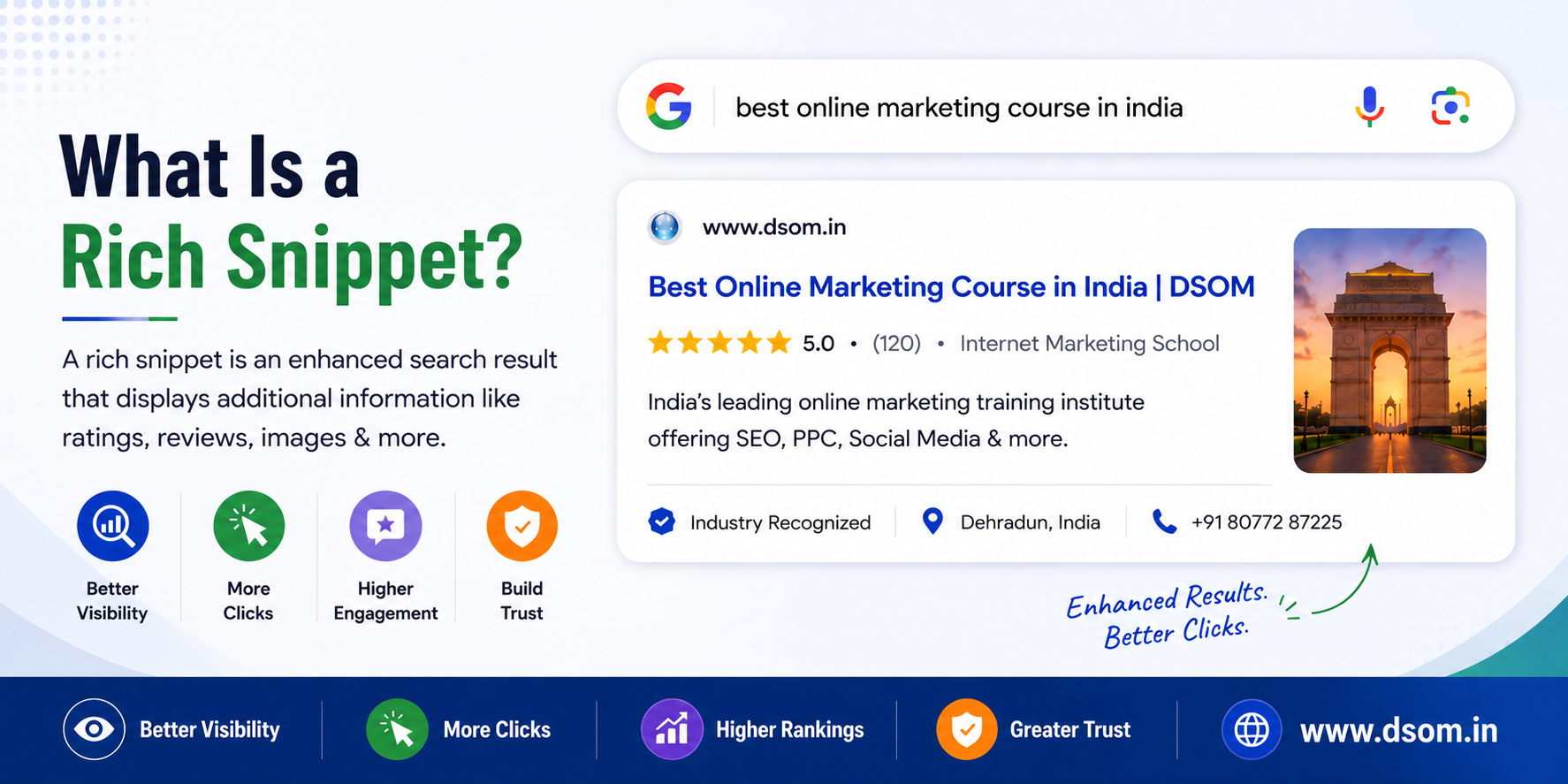
Instead of just a title and meta description, it may show:
Star ratings
Prices
FAQs
Images
Event details
In simple terms, it makes your search results more informative and more noticeable.
Why Rich Snippets Matter More Than Rankings
Ranking alone is no longer enough.
Search results are crowded.
Users don’t read them.
They scan.
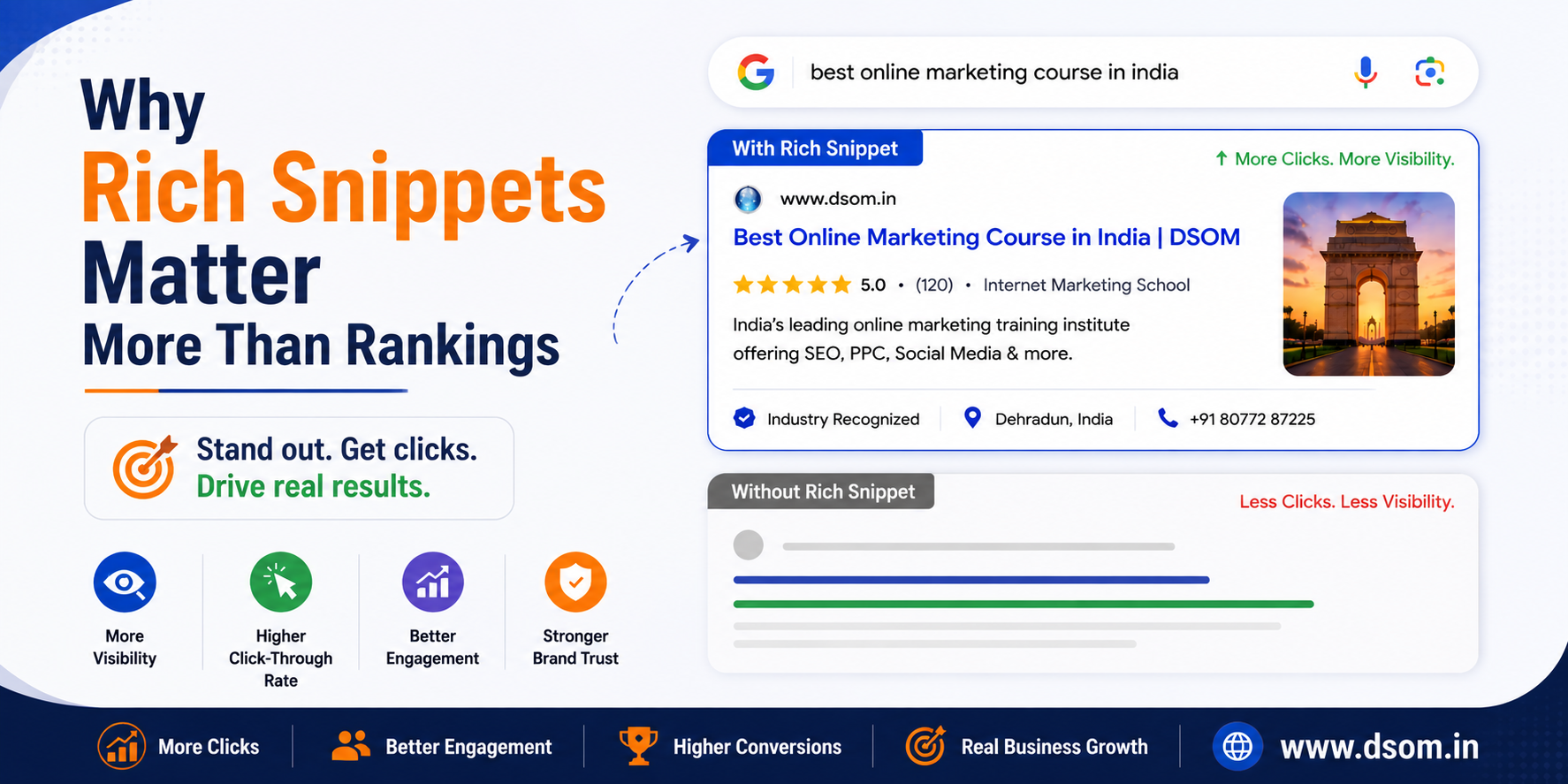
A rich snippet helps your result stand out by giving users instant context and confidence.
From an on-page SEO perspective, this directly improves:
Click-through rate (CTR)
User trust
Search result engagement
More engagement sends stronger signals to search engines.
A Simple Example (Why They Work So Well)
Imagine searching for “best budget headphones.”
One result shows just a title.
Another shows star ratings, price range, and availability.
Which one do you click?
That’s the advantage of enhanced search results.
They help users decide faster—and faster decisions mean more clicks.
Types of Rich Snippets and Their SEO Impact
Different content types trigger different enhanced results.
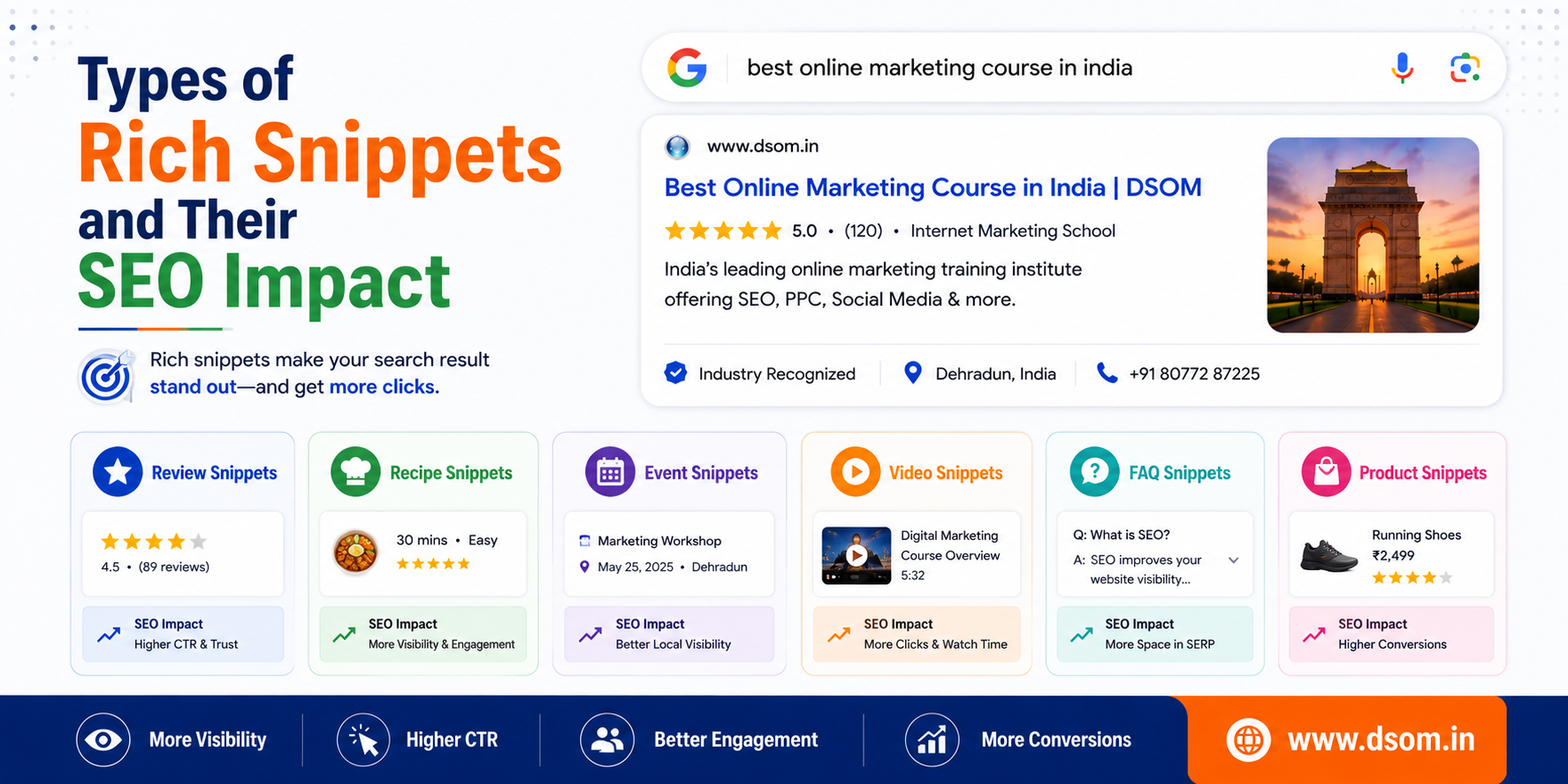
The most common ones include:
Review & Rating Snippet
Displays star ratings that immediately grab attention.
Product Snippet
Shows price, availability, and reviews.
FAQ Snippet
Displays questions and answers directly in search results.
Recipe Snippet
Includes cooking time, ratings, and images.
Event Snippet
Shows date, time, and location information.
Each format improves visibility and aligns better with user intent.
How Rich Snippets Work (Behind the Scenes)
Rich snippets are powered by structured data.
Search engines read this structured information to understand what your content represents.
When implemented correctly, your page becomes eligible for enhanced presentation in search results.
This clarity helps search engines match your content with the right intent—an essential part of on-page SEO.
How to Optimize Content for Rich Snippets
These enhanced results don’t appear by accident.
Optimization requires intent.
Here’s what works consistently:
Use clear headings and structured content
Answer common user questions directly
Match structured data with visible content
Follow Google’s guidelines strictly
Content that is easy to understand is easier to enhance.
Where Rich Snippets Appear in Search Results
A rich snippet appears directly below the page title in search results.
It may display:
FAQs beneath the result
Ratings next to the title
Pricing and availability
Extra descriptive elements
These enhancements increase screen space and visual dominance—often pushing competitors down without outranking them.
Visibility vs Position: The Real Advantage
Visibility isn’t just about ranking #1.
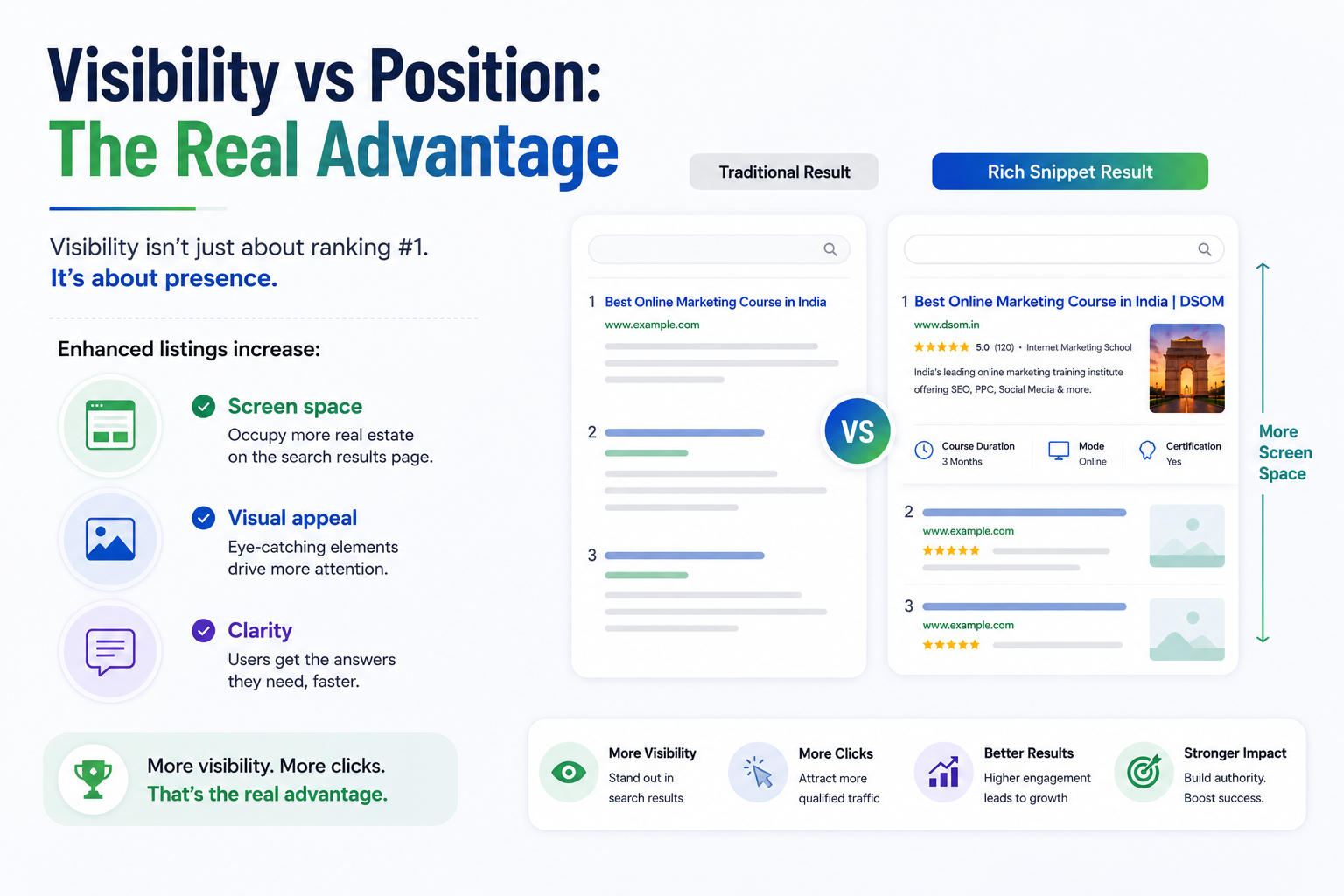
It’s about presence.
Enhanced listings increase:
Screen space
Visual appeal
Clarity
Even when your page isn’t the top result, it can still attract the most clicks.
Rich Snippets and On-Page SEO: The Silent Connection
Rich snippets don’t directly improve rankings.
But they strongly influence ranking signals.
Here’s how they support on-page SEO:
Higher CTR
Reduced pogo-sticking
Improved relevance perception
Better user satisfaction
Google watches how users interact.
Better interaction leads to better performance.
Common Mistakes That Prevent Rich Snippets
Many websites fail to qualify due to avoidable errors.
Common mistakes include:
Structured data that doesn’t match page content
Keyword stuffing inside schema
Ignoring validation errors
Using misleading markup
One accurate implementation is far more powerful than multiple incorrect ones.
Are Rich Snippets Guaranteed?
No.
Even perfect optimization doesn’t guarantee display.
Search engines decide when and where to show enhanced results.
Think of it this way:
You’re not forcing the outcome—you’re increasing eligibility.
Who Should Focus on Rich Snippets?
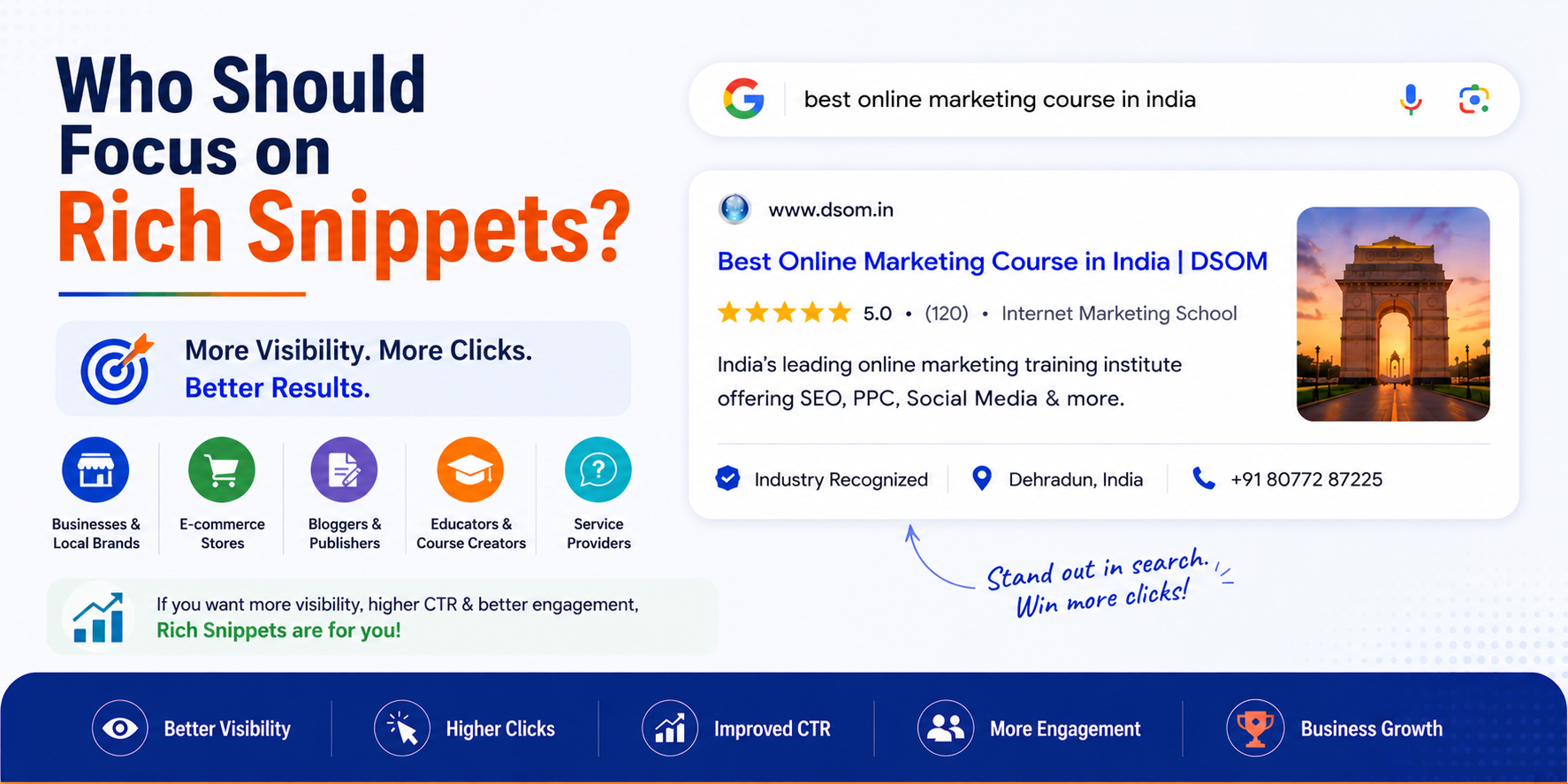
These enhancements are especially valuable for:
Students learning SEO fundamentals
Bloggers and content creators
E-commerce websites
Service-based businesses
Educational and informational sites
Wherever users compare results, enhanced listings matter.
Why Rich Snippets Are the Future of Search
Search is becoming more visual, more informative, and more intent-driven.
Rich snippets align perfectly with this shift.
They help users make faster decisions and help search engines deliver better experiences.
That’s why enhanced results continue to expand across industries.
Final Thoughts: Small Enhancement, Big Difference
Most websites focus on:
Keywords
Content
Backlinks
But ignore how results actually appear.
A rich snippet bridges that gap.
It turns ordinary listings into attention-grabbing results that earn clicks, trust, and visibility.
And learning how to implement such advanced yet practical SEO techniques is exactly what DSOM (Dehradun School of Online Marketing) focuses on—training students to master on-page SEO, structured data, and real-world optimization strategies that drive real traffic, real clicks, and real growth.