Check any app right now and you’ll see that many of the posts in your feed are sponsored.
On most platforms, this number is higher than you might expect.This trend didn’t happen by chance — over the past few years, algorithms have reduced the reach of organic content, and paid advertising in social media has become a key way for brands to ensure their message is seen.
This article explains how paid advertising in social media actually works, what makes a campaign successful compared to one that runs out of budget without results, and where common mistakes often hide.
Understanding the Basics
Simply put, paid advertising in social media involves paying a platform like Facebook, Instagram, LinkedIn, or TikTok to show your content to people who wouldn’t normally see it.
Regular posts only reach those who follow you. Paid ads, however, can reach someone new who fits the profile you’re targeting.
Organic content builds trust slowly, over time.Paid advertising in social media, on the other hand, accelerates this process. It trades some of the authenticity of gradual growth for faster, broader reach and clear data on every dollar spent. It is one of the two main ways businesses buy attention online, alongside search-based digital advertising.
Navigating the Platform Landscape
| Platform | Best For | Common Formats | Where It Shines |
| Facebook ads | Broad reach, retargeting | Image, video, carousel | Deep targeting data |
| Instagram ads | Visual products | Reels, Stories, feed | Fashion, beauty, lifestyle |
| LinkedIn ads | B2B, recruiting | Sponsored content, InMail | Job title, industry filters |
| TikTok ads | Younger audiences | Short-form video | High engagement, viral reach |
| Pinterest ads | Discovery-stage shoppers | Pins, shopping ads | Home, weddings, DIY niches |
| X (Twitter) ads | Real-time conversation | Promoted posts | News, tech, trending topics |
An ad that is well-made but not suited for the platform will still fail.
Choosing the right format and audience for the network is often the key difference between a campaign that justifies its costs and one that doesn’t.
Why Facebook Remains the Core of Most Ad Budgets
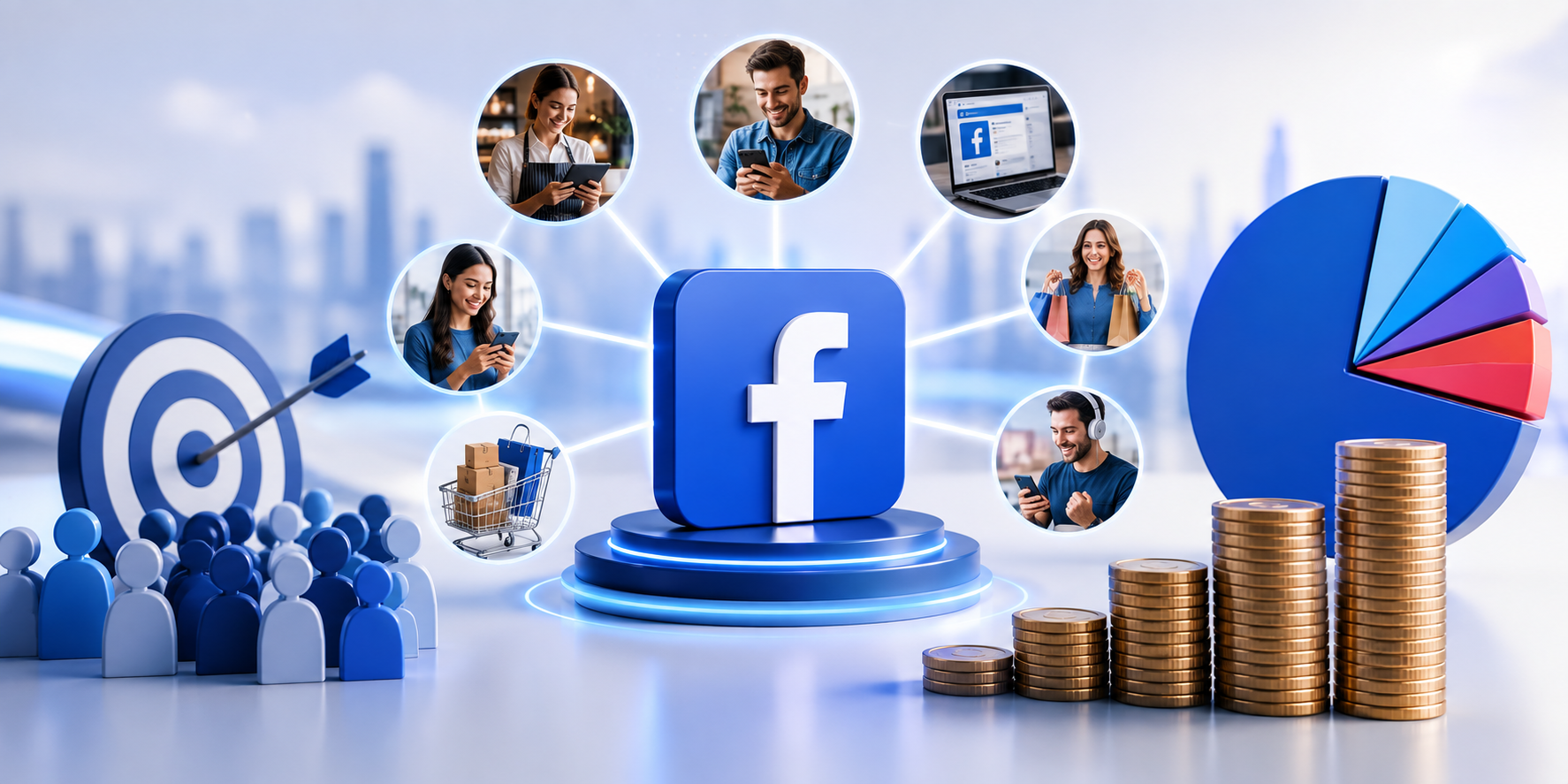
Despite the emergence of newer platforms, Facebook continues to be a major choice for paid advertising in social media.This is largely due to the maturity of its advertising tools. Businesses can apply multiple layers of targeting based on interests, behaviors, and demographics. They can even retarget users who have already visited their website. This retargeting strategy is often where the best returns are seen.
Instagram’s Case for Visual Brands
Instagram operates on the same underlying system as Facebook, so the way ads are targeted is very similar. However, the style of content matters more on Instagram. The platform favors content that blends naturally with the feed rather than looking like a typical advertisement. In particular, Reels ads often perform better than static images when appealing to younger shoppers.
Getting Targeting Right
When experienced advertisers are asked what is most important, ad targeting almost always comes first. A great ad shown to the wrong audience is a wasted investment, while an ordinary ad shown to the right people can still generate good results. Three types of targeting often work well together.
Interest-based targeting reaches people based on what they have already shown interest in. Lookalike audiences help find new users who are similar to existing ones. Retargeting brings back people who have already engaged with the brand. Using these targeting methods across different stages of the customer journey is a key part of any successful social media marketing strategy.
How Much to Spend, and When
There isn’t a single number that determines the best ad budget.
What really works is starting with a small budget, letting the campaign run long enough to gather real data—usually at least a week—and then shifting the budget toward what is performing well. Advertisers who stop campaigns too soon or keep restarting them in search of quick wins reset the platform’s learning process each time, which usually harms results.
Matching Format to Message
Video is best for messages that need to tell a story. Carousels are useful when displaying multiple products at once. A simple static image can still be effective for a direct offer. Lead forms are ideal when the goal is to capture contact information rather than making a sale immediately. Sponsored posts that don’t look like traditional ads tend to perform better. Viewers are more likely to skip content that appears as an interruption.
Final Thought
Paid advertising on social media can be a powerful way to reach the right audience, generate quality leads, increase brand visibility, and drive conversions. The key is to combine clear goals, precise targeting, engaging creatives, and continuous performance tracking to get better returns from your ad budget.
If you want to build practical skills in paid advertising and other digital marketing strategies, DSOM (Dehradun School of Online Marketing) offers industry-focused digital marketing training.