Introduction: How One Link Changed Everything
A few years ago, one of my blog posts did something unexpected.
Traffic spiked overnight.
No ads.
No social promotion.
No new content.
Just one thing had changed.
A respected industry website had linked to my article.
That single Inbound Links signal pushed the page from page two to page one.
That moment made one thing very clear: links from other websites are not just technical SEO elements—they are votes of trust. And when they work alongside strong on page SEO, rankings don’t just improve, they stabilize.
What Are Inbound Links?
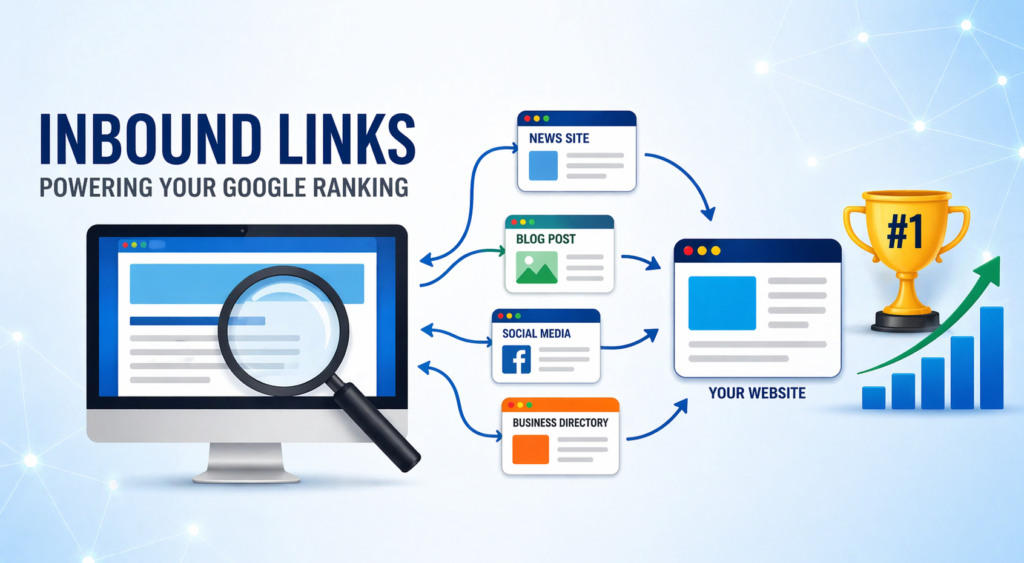
Inbound Links are hyperlinks that point from another website to your website.
They are often called backlinks or incoming links.
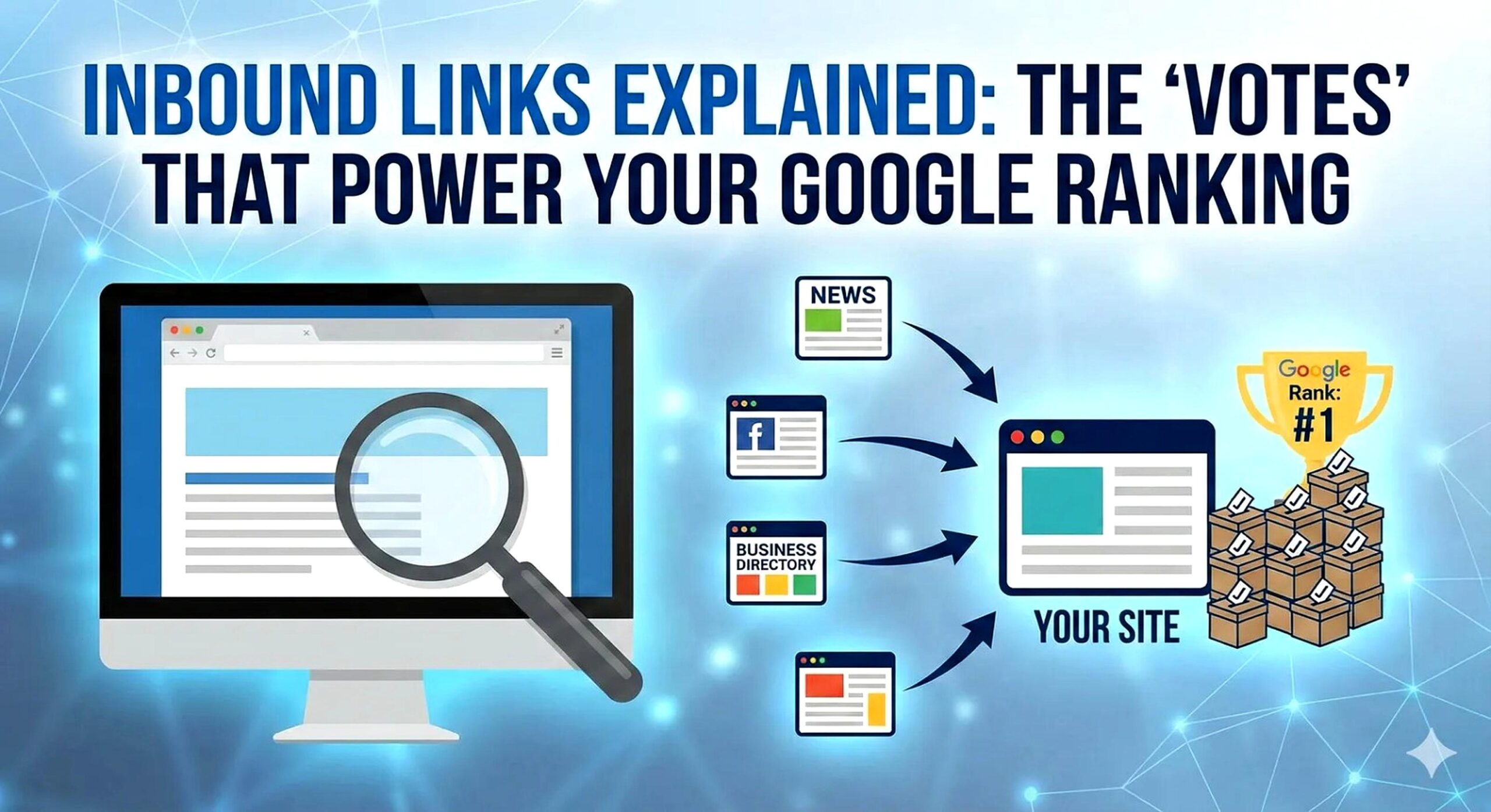
In simple terms, they act as recommendations. When another site links to your content, it tells search engines that your page is worth referencing.
Why External Trust Signals Matter in SEO
Search engines like Google don’t rank pages in isolation.
They evaluate credibility.
Links from relevant and trusted websites help search engines understand:
Authority
Relevance
Reliability
From an on page SEO perspective, even well-optimized content struggles without external validation. Content explains what your page is about, but links explain why it matters.
Types of Inbound Links and Their SEO Value
Not all links from other websites carry the same weight.
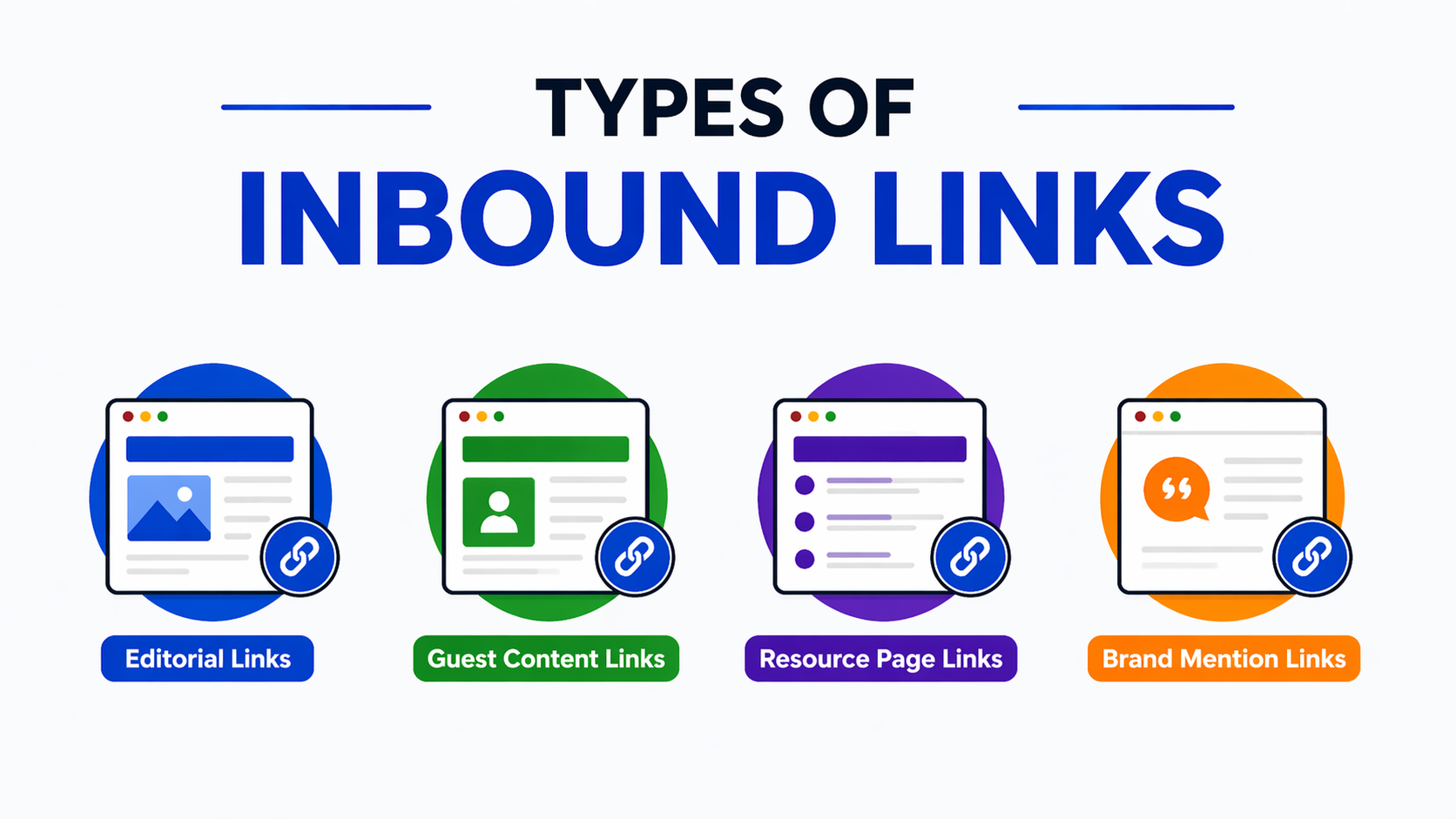
Here are the most impactful types:
Editorial Links
Naturally earned when content is cited or referenced.
Guest Content Links
Earned through informative contributions on relevant websites.
Resource Page Links
Placed on curated lists of helpful tools or guides.
Brand Mention Links
Given when your brand or content is referenced online.
Each form of Inbound Links contributes differently, but relevance and context always matter more than volume.
How External Links Work With On Page SEO
Links don’t work alone.
They amplify what already exists.
When strong on page SEO is combined with credible Inbound Links, search engines gain confidence in your content.
This alignment improves indexing, ranking consistency, and long-term visibility.
How to Acquire Quality Inbound Links
You don’t force these links—you earn them.
What works:
Publishing original, useful content
Creating data, guides, or insights others want to reference
Building relationships within your niche
Guest posting with value, not manipulation
Sustainable Inbound Links come from usefulness, not shortcuts.
Where to Find Link Opportunities
Opportunities exist wherever relevant content already lives.
Common places include:
Industry blogs
Educational resources
News sites
Content roundups
Authority websites in your niche
Sites that already link to similar content are the best prospects for earning Inbound Links naturally.
The Power of Inbound Links in SEO
Links from trusted sources do more than improve rankings.
They help:
Drive referral traffic
Build brand credibility
Strengthen topical authority
A single strong Inbound Links signal can outperform dozens of low-quality ones.
That’s real SEO leverage.
Common Link-Building Mistakes to Avoid
Many websites damage their SEO unintentionally.
Avoid:
Buying low-quality links
Over-optimizing anchor text
Linking from irrelevant websites
Ignoring content quality
Search engines reward natural patterns, not manipulation.
Are Inbound Links Still a Ranking Factor?
Yes—absolutely.
Despite algorithm changes, Inbound Links remain one of the strongest indicators of trust and authority.
What has changed is how they are evaluated.
Relevance, context, and credibility decide whether a link helps or harms.
Final Thoughts: Authority Is Earned, Not Forced
SEO isn’t about tricks.
It’s about trust.
Inbound Links are how the web expresses trust.
They validate your content, strengthen your authority, and multiply the impact of on-page SEO.
And learning how to earn and manage links ethically and effectively is exactly what DSOM (Dehradun School of Online Marketing) focuses on—training students to master on-page SEO, responsible link strategies, and real-world optimization techniques that deliver long-term growth and credibility.